These 5 high-sugar fruits are quietly threatening your health
Imagine you're sitting at your desk in the afternoon, feeling a little tired. Instead of going for a candy bar, you decide to eat some fruit “healthily”. After a few bites, you feel proud of your choice - natural sugar, vitamins and fiber, right?
But what if I told you that some fruits, despite their pristine reputation, are quietly adding sugar to your body, spiking your blood sugar and potentially causing long-term health problems?
Yes, fruits are usually good for you, but not all fruits are created equal. Some fruits are “sugar bombs” in disguise, and if you consume them regularly without moderation, they can do more harm than good. Let's take a closer look at five high-sugar fruits that may be sneaking up on you.
1. Grapes: little sugar bombs
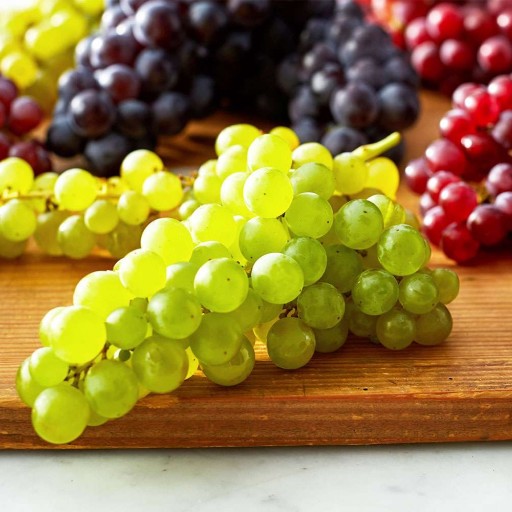
Think about the last time you snacked on grapes. Did you eat just a small handful and then stop? Probably not! These juicy little balls are so easy to eat that you finish a whole bunch without even realizing it. But here's the thing: Grapes contain a lot of sugar.
One cup of grapes contains about 23 grams of sugar, which is more than a chocolate chip cookie! Since grapes have a high glycemic index, they can cause blood sugar levels to spike quickly, making them a dangerous choice for diabetics or people trying to lose weight. How does it affect your body?
The sensation of a sugar spike may be euphoric for a moment, but it quickly crashes. Rapid rises and falls in blood sugar can lead to fatigue, increased hunger, and even insulin resistance over time.
Not to mention, consuming too many grapes on a regular basis can lead to weight gain, as excess sugar is stored as fat. Instead of mindlessly chomping down on a big bowl, try measuring out a small portion - just 10 to 12 grapes per serving. Even better, pair it with a protein source like cheese or nuts to slow down the absorption of sugar.
2. Mango: The king of fruits, but also the king of sugar
Mangoes are a tropical delicacy we all love. They taste like sunshine, smell like heaven, and are the perfect companion to smoothies and desserts. But did you know that mangoes are one of the most sugary fruits?
A medium-sized mango contains about 45 grams of sugar, more than a can of soda! The natural sugar in mangoes can cause blood sugar levels to spike, making them a dangerous choice for those who are controlling their sugar intake.
Why is eating too much mango a problem? Mangoes contain high levels of fructose, a sugar that is metabolized in the liver. Consuming small amounts of fructose is not a problem, but consuming too much fructose can lead to a fatty liver, increased abdominal fat, and even elevated cholesterol levels.
If you eat mangoes every day, you may be pushing your body towards these problems without even realizing it. Instead of eating a whole mango in one sitting, try cutting a few slices of mango and serving it with yogurt or nuts. This way you can savor the delicious taste of mango without consuming too much sugar.
3. Bananas: A potentially counterproductive quick energy boost
Bananas are the snack of choice for many people. They're portable, they don't need to be peeled, and they provide an instant energy boost. But here's the problem - bananas are a quick sugar rush, but that's not always good for you.
A medium-sized banana contains about 14 grams of sugar, which may not sound like much, but because bananas are rich in starch, their sugar is quickly converted to glucose, causing a rapid spike in blood sugar.
If consumed in excess, especially ripe bananas, bananas can lead to weight gain, insulin resistance and increased sugar cravings. This is because bananas have a high glycemic load, which means they release sugar into the bloodstream quickly, leading to a drop in energy and hunger pangs soon after.
If you like bananas, then choose unripe bananas as they are lower in sugar. Serve them with peanut butter or Greek yogurt to help slow down sugar absorption. Most importantly, stick to half a banana at a time instead of eating a whole one.

4. Cherries: small fruits with high sugar content
Cherries are small, colorful, and tasty, but don't let their size fool you. These small fruits are high in sugar and eating too many of them can have unintended consequences for your health. A cupful of cherries contains about 18 grams of sugar, which is more than some candy bars!
The problem is that cherries are easy to overeat, especially when packaged in large bags. Eating too many cherries can lead to spikes in blood sugar, indigestion, and even bloating. Since cherries contain both fructose and sorbitol, eating too many of them can be taxing on your stomach and intestines, leading to bloating and discomfort.
The proper way to eat cherries: instead of eating them straight from the bag, pre-portion them into a small bowl. Stick to a handful at a time (10-12 cherries) and try pairing cherries with protein or healthy fats to minimize the impact of sugar.
5. Pineapple: The Sugar Trap of Tropical Fruits
There's no denying that pineapple is one of the most refreshing fruits around. It's juicy, tangy and full of tropical flavor. But it's also surprisingly high in sugar. One cup of pineapple contains about 16 grams of sugar, and it's easy to eat more than one cup of pineapple at a time because of its naturally sweet flavor.
Pineapple has a high glycemic index, which means it causes a rapid spike in blood sugar. This can lead to increased hunger, sugar cravings and decreased energy. Additionally, the natural acids in pineapple can cause irritation to your teeth and may lead to enamel erosion.
If you love pineapple, eat it in moderation. Stick to just a few small pieces at a time instead of eating a whole bowl. Serve with protein-rich foods like cottage cheese to help stabilize blood sugar levels.
Enjoying fruit without consuming too much sugar is actually quite simple; fruit is a natural and nutrient-rich part of any diet, but ratio control is key, especially with high-sugar fruits. Instead of skipping fruit altogether, pay attention to how much you eat and how you combine it with other foods. Tips for controlling your fruit sugar intake
-Stick to small portions to eat (half portions rather than full portions).
-Pair high-sugar fruits with protein or healthy fats to slow down sugar absorption.
-Choose low-sugar fruits such as berries, avocados and citrus fruits.
-Eat fruit earlier in the day to give your body time to process the sugar.
With small adjustments, you can still enjoy your favorite fruits without the hidden health risks. So next time you're tempted to snack, think twice about those high-sugar fruits-your body will thank you.
 1
1 1
1OTHER NEWS
-
- How terrible are carnivorous plants?
- By LH 12 Mar,2025

-
- Have you ever seen a magical plant that can grow by drinking air?
- By LH 14 Mar,2025

-
- What are the most ugly plants in the gardening world?
- By LH 09 Apr,2025

-
- The natural choice for indoor air purification five high-quality greenery recommendations
- By YL 14 Mar,2025

-
- From planting to caring for flowers that bloom forever
- By MTH 10 Mar,2025

-
- Hydroponic plants, gardening tips
- By LH 02 Apr,2025

-
- 15 kinds of flowers suitable for summer
- By LH 31 Mar,2025

-
- Vigilance! Keeping these kinds of plants indoors may harm your health
- By ZYY 09 Apr,2025

-
- How do you control pests and diseases in your garden
- By YL 12 Mar,2025

-
- Sustainable Gardening Starts With Organic Supplies
- By Prodosh Kundu 28 Oct,2024

-
- How to Choose the Best Lawn and Landscaping Services for Your Home
- By Prodosh Kundu 28 Aug,2024

-
- Planting Tips: Best Indoor Plants Recommendations and Care Guide
- By MTH 18 Feb,2025