Dietary guidelines for cirrhosis patients: which foods can help recovery?
Cirrhosis is a serious liver disease, which leads to liver tissue damage and decreased function. Diet is crucial to the recovery of cirrhosis patients. A proper diet not only reduces the burden on the liver, but also provides the body with the nutrients it needs to promote liver repair and regeneration.
Below is a dietary guide for cirrhosis patients that describes which foods can help them recover.
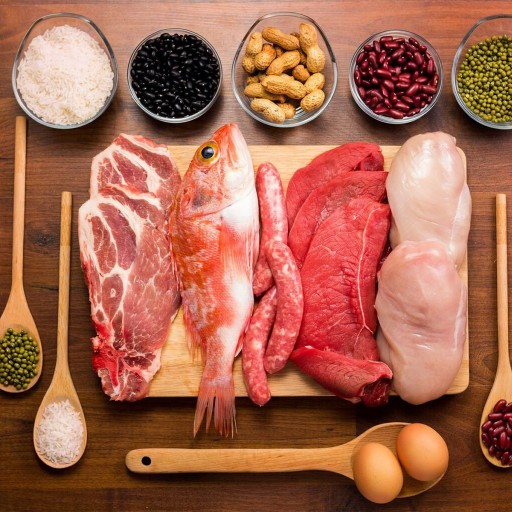
High Quality Protein Foods
Protein is an important part of the body's cells, and for patients with cirrhosis, consuming enough high-quality protein can help repair damaged liver cells and strengthen the immune system. However, it should be noted that when patients develop complications such as hepatic encephalopathy, protein intake needs to be strictly controlled.
Fish: Salmon and cod are rich in high-quality protein, and the fat is mostly unsaturated fatty acids, which is beneficial to cardiovascular health. They can be consumed 2-3 times a week, 100-150 grams each time. For example, steamed cod, retaining the original flavor of the fish, nutritious and easy to digest.
Chicken: Skinless chicken is a good source of high quality protein with relatively low fat content. You can choose stewed chicken soup or white cut chicken, and avoid cooking methods such as deep-frying and pan-frying. Consume 50-100 grams per day.
Soybeans and soy products: soybeans, black beans, tofu and soy milk. Soybeans are rich in vegetable protein, as well as dietary fiber and vitamins. For example, a cup of soymilk a day not only replenishes protein, but also provides a variety of nutrients. Tofu can be made into light tofu soup or cold tofu.
Eggs: Eggs and duck eggs are sources of high quality protein. You can eat 1 egg a day. Boiled eggs are the healthiest way to consume eggs, with a high rate of protein digestion and absorption.
Vitamin-rich foods
Vitamins are very important for maintaining normal physiological functions of the body. Cirrhosis patients need to consume enough vitamins to promote liver repair and regeneration.
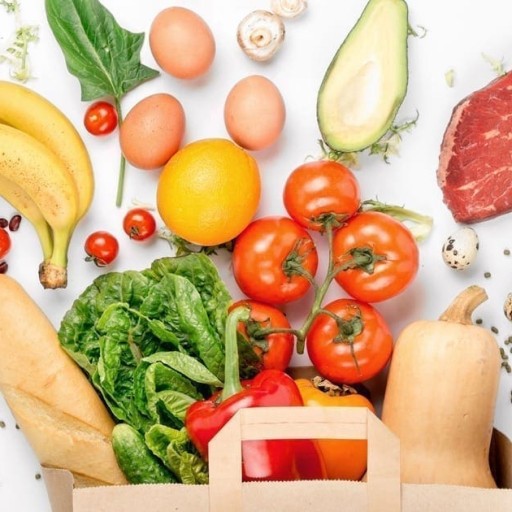
Vitamin A: Animal liver, milk, carrots, spinach, etc. are rich in vitamin A. Vitamin A helps to protect liver cells and enhance immunity. However, animal liver is high in cholesterol and should be consumed in moderation by patients with cirrhosis, no more than 2 times a week, about 50 grams each time.
Carrots can be sautéed or made into carrot soup, and spinach can be stir-fried or made into spinach and egg soup.
Vitamin C: Citrus fruits (e.g. oranges, lemons), strawberries, kiwis, peppers, etc. are rich in vitamin C. Vitamin C is an antioxidant that reduces oxidative stress damage to the liver. Eat 200-300 grams of fresh fruit, such as an orange or 100 grams of strawberries, every day. Peppers can be sautéed with other vegetables.
Vitamin E: Nuts (e.g. almonds, walnuts), olive oil, sunflower seeds, etc. are rich in vitamin E. Vitamin E is also an antioxidant, which has a protective effect on the liver. You can eat 10-15 grams of nuts a day, but be careful to control the amount as they are high in fat. Olive oil can be used in cold dishes or cooked at low temperatures.
Mineral-rich foods
Minerals also play an important role in maintaining normal metabolism and physiological functions of the body.
Zinc: Lean meats, seafood (e.g. oysters, shrimps) and whole grain breads are rich in zinc. Zinc is involved in the synthesis of many enzymes in the body and plays an important role in the repair and regeneration of the liver. Cirrhosis patients can eat these foods in moderation, such as seafood 2-3 times a week, 50-100 grams each time.
Magnesium: Green leafy vegetables (such as spinach, broccoli), beans, bananas, etc. are rich in magnesium. Magnesium helps maintain the normal function of the liver and promotes energy metabolism. You can eat 300-500 grams of green leafy vegetables every day and a banana is also a good choice.
Potassium: Bananas, potatoes, sweet potatoes and tomatoes are rich in potassium. For cirrhotic patients with ascites, proper supplementation of potassium helps maintain the electrolyte balance in the body. You can make steamed vegetables or boil potatoes and sweet potatoes into soup for consumption.
Easy-to-digest food
Cirrhosis patients' liver function is impaired and their digestive ability is reduced, so they need to choose easy-to-digest food to reduce the burden on the gastrointestinal tract.
Congee: such as millet porridge, pumpkin porridge, yam porridge and so on. Congee is easy to digest, and you can also add some ingredients according to your personal taste, such as red dates, cinnamon and so on, to increase nutrition. You can drink 1-2 bowls of porridge every day.
Noodles: Choose thin noodles, cook them softly and serve with light vegetable soup or meat sauce. Avoid spicy and greasy noodle seasonings.
Soft rice: Cook rice softly and avoid hard rice, which may be difficult to digest. It can also be served with some light dishes such as stir-fried seasonal vegetables and steamed eggs.
Foods to avoid
Spicy and irritating food: spicy food such as chili, pepper and mustard will stimulate the gastrointestinal tract, increase the burden on the liver and may induce gastrointestinal bleeding, which should be avoided by patients with cirrhosis.
High-fat food: fried food, fat meat, animal offal and other high-fat food is not easy to digest, will increase the metabolic burden of the liver, may also lead to elevated blood lipids, is not conducive to the control of the disease.
High-salt food: For cirrhotic patients with ascites, high-salt food will aggravate water and sodium retention, leading to increased ascites. Salt intake should be limited to no more than 3 grams per day, while avoiding high-salt foods such as salted vegetables and cured meat.
Rough and hard foods: such as nuts, fried peanuts and fish with spines, these foods can easily scratch the varicose veins in the esophagus and fundus of the stomach, causing gastrointestinal bleeding.
The diet of patients with cirrhosis needs to comprehensively consider various factors and follow the principles of balanced nutrition, easy digestion and avoidance of stimulating foods. Through a reasonable diet, it can provide the necessary nutritional support for liver repair and regeneration and help patients recover better.
At the same time, patients should also undergo regular review and adjust their dietary regimen according to the changes in their condition.
 1
1 1
1OTHER NEWS
-
- How terrible are carnivorous plants?
- By LH 12 Mar,2025

-
- Have you ever seen a magical plant that can grow by drinking air?
- By LH 14 Mar,2025

-
- What are the most ugly plants in the gardening world?
- By LH 09 Apr,2025

-
- The natural choice for indoor air purification five high-quality greenery recommendations
- By YL 14 Mar,2025

-
- From planting to caring for flowers that bloom forever
- By MTH 10 Mar,2025

-
- Hydroponic plants, gardening tips
- By LH 02 Apr,2025

-
- 15 kinds of flowers suitable for summer
- By LH 31 Mar,2025

-
- Vigilance! Keeping these kinds of plants indoors may harm your health
- By ZYY 09 Apr,2025

-
- How do you control pests and diseases in your garden
- By YL 12 Mar,2025

-
- Sustainable Gardening Starts With Organic Supplies
- By Prodosh Kundu 28 Oct,2024
-
- How to Choose the Best Lawn and Landscaping Services for Your Home
- By Prodosh Kundu 28 Aug,2024

-
- Planting Tips: Best Indoor Plants Recommendations and Care Guide
- By MTH 18 Feb,2025