Eat Japan Once: These Cuisines Are More Than Just Tasty
What's the first thing that comes to your mind when you think of Japanese food? Sushi? Ramen? Or is it the small, fresh, colorful bento that comes with a whole set of food?
In fact, whether you have been to Japan or not, about “Japanese food” you probably already have a bunch of established impressions - sophisticated, clean, delicate, expensive (a little bit of truth), delicious (this is true).
But Japanese food is not just a work of art, it's great: each dish has its own way of living. Some of them are in high-class kiosks dressed in formal attire, while others are hidden in the street stalls, steaming with the aroma, waiting for you to turn into the alley by the aroma of the nose hooked into a bite to eat, tears can be swallowed.
This article is not about “Japan's must-eat Top 10”, but rather to talk to you about those Japanese flavors that I've really eaten, been amazed by, and then want to eat again and again. No rankings, just true favorites.
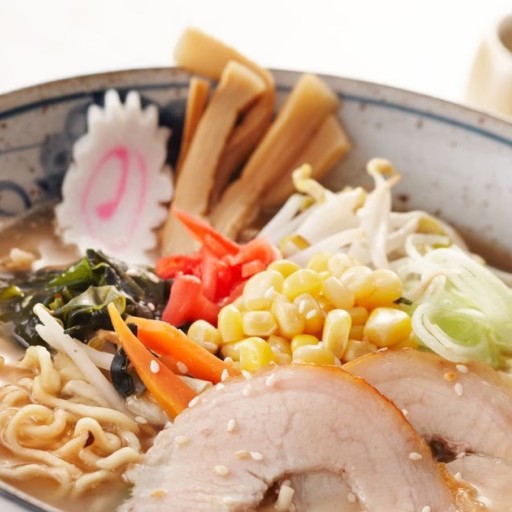
Ramen: a bowl of good soup is the beginning of a journey
Ramen in Japan, can not be said to be the “national rice”, but its status in the hearts of Japanese people, really can top a snack mountain. Every city and every region has its own style.
You may eat in Tokyo is the soy sauce base of the refreshing system, eat in Hokkaido is the bottom of the miso heavy flavor, in Hakata (Fukuoka) is eaten in the thick melt-in-your-mouth pork bone soup, the kind of broth is bright and oily, but not greasy, it will really make people addicted.
I remember most of all a tiny ramen store in Kyoto, late at night at eleven o'clock, there were only seven or eight seats in the store, and the owner was busy all by himself. I ordered ramen in a white chicken broth, and the broth was as white and thick as milk, with a mouthful of smooth collagen.
The noodles are not particularly Q-bouncy, but they are just right in the soup. With a piece of charred BBQ pork, a bit of green onion and a sweetened egg - it's not pompous, it's comforting.
Ramen isn't about being full, it's about having a place to sit down after you've been standing in the wind and chilling for hours, sipping on hot soup and finding yourself.
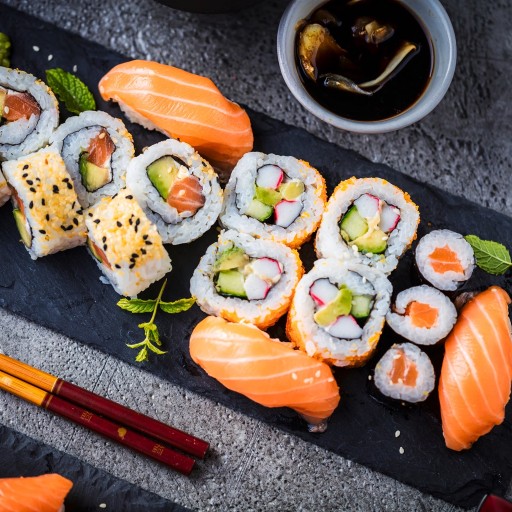
Sushi: a piece of rice + a piece of fish, behind is decades of craftsmanship!
Many people think that sushi is the “easiest” Japanese food, after all, there are many sushi restaurants in China, and you can also buy sushi bento in the supermarket. But if you've ever had sushi made by a sushi chef in Japan, you'll know that it's more than just “sashimi on rice”.
The first time I ate “itamae sushi” (the kind you sit in front of a chef and he makes it for you), I was a little nervous. But when I took a bite of the seared tuna, I almost laughed out loud - how could it be so good?
It's not just the freshness of the ingredients, it's the temperature, viscosity, acidity of the vinegared rice, the thickness of the fish, the oil, the angle of the cut, it's all so delicate that it's hard to tell. And good sushi restaurants do not give you soy sauce, they will directly on the fish surface brush a little soy sauce, put a little wasabi, let you eat “he wants you to eat the way”.
Eating sushi is not about “ordering”, it's about trust. You trust the chef's arrangements, and he gives you a journey of flavors and rhythms.
Izakaya snacks: not the main character, but people can't get enough of them!
In Japanese cuisine, my favorite is not a high-class food court or a Netflix dessert store, but the kind of izakaya at the end of an alley late at night. When you go in, the air smells of grilled chicken skin, fried food and beer foam, and the crowd is loud but not too loud. You order a couple skewers of yakitori, a draft beer or yuzu sake, and take your time eating and drinking.
Small, seemingly unassuming dishes like chicken cartilage, fried tofu, and potato salad with mentaiko seeds are ridiculously tasty. The chicken cartilage was charred on the outside and bouncy on the inside, and the bites were so crunchy that they were perfect with lemon juice and a glass of wine.
The fried tofu was crispy on the outside and tender on the inside, and dipping it in the shibori soy sauce instantly opened up the taste buds. As for the salads, I always thought potato salad was a side dish, until I had a version with “mentaiko + mayonnaise + seaweed powder” at an izakaya in Osaka, and I wanted to lick the plate.
The beauty of these snacks is not in how unique they are, but in the fact that you can slowly regain your mood with a hot bite and a little bit of booze on a tiring night.
Wagamama and Bento: The Japanese make eating an aesthetic practice
To be honest, I was a bit reluctant to eat sweets at first, especially Japanese desserts - they felt too delicate, too sweet, and not grounded. But then I was hit in the face with a piece of sakura cake.
When I went to Tokyo in the spring, I happened to buy a piece of salted cherry blossom leaves in Asakusa “Domyoji Sakura Cake”.
A bite, salty and sweet intertwined, the leaves of the light floral flavor and the texture of rice glutinous rice dough in the mouth slowly melted - at that moment I suddenly understood what is called “I suddenly realized at that moment what it means to have a sense of the season.
Japanese wakame is not meant to be sweet, but to make you feel the “time” in your mouth. There is the cool cold weather jelly in summer, the dense aroma of chestnuts in fall, and the thickness and warmth of red beans in winter.
As for bento, it's more of a culture. You can get neatly arranged lunchboxes at convenience stores, too, with fried chicken, tamago-yaki, boiled vegetables, rice, and a bit of pickled daikon radish.
But what really touches my heart is the “handmade bento” - like the loving lunchboxes a mom prepares for her kids, which contain rice balls wrapped in seaweed in the shape of a smiley face, with little octopus sausages and tomatoes on the side, and each bite says something like “I hope you're having a good day”.
This is the tenderness of Japanese food: it doesn't just care for your stomach, it secretly comforts your heart.
A final thought: you don't have to go to Michelin to understand Japan!
Sometimes it's too easy to make this “good food” thing sound advanced, and we always think that we have to go to a Netflix restaurant with a three-hour line, or pursue the kind of niche sushi that costs thousands of yen a bite, in order to “eat Japan”.
But in fact, in the convenience store to heat up a Kanto boiled, buy a rice ball, sit down to eat a bowl of udon noodles in the roadside stalls, in the early morning on the corner of the street in a small coffee shop to order a thick cut toast with fried eggs, these are all “Japan's flavor”.
The strength of Japanese cuisine is not just the technique, but their attitude towards “food”. They are willing to spend time, pay attention to details, pay attention to the plate, care about the temperature, respect for the ingredients - so even if you just eat a small thing, it will be taken seriously. This kind of seriousness is what I admire the most.
If you're going to Japan next time, or want to recreate some Japanese flavors at home one day, you don't have to go for complexity - as long as you feel “comfortable” and “satisfied” when you take a bite, that's Japanese food. As long as you feel “comfortable” and “satisfied” when you take a bite, that's the core meaning of Japanese cuisine.
 1
1 1
1OTHER NEWS
-
- Spring is here! Give Your Garden a New Look with These Gardening Tips
- By MTH 20 Feb,2025

-
- How terrible are carnivorous plants?
- By LH 12 Mar,2025

-
- The Five Best Flowers for Newbies to Keep Alive
- By MTH 14 Mar,2025

-
- 15 kinds of flowers suitable for summer
- By LH 31 Mar,2025

-
- The natural choice for indoor air purification five high-quality greenery recommendations
- By YL 14 Mar,2025

-
- How do you control pests and diseases in your garden
- By YL 12 Mar,2025

-
- Here’s a complete guide on what you should prepare before planting your seeds.
- By Prodosh Kundu 18 Jul,2024

-
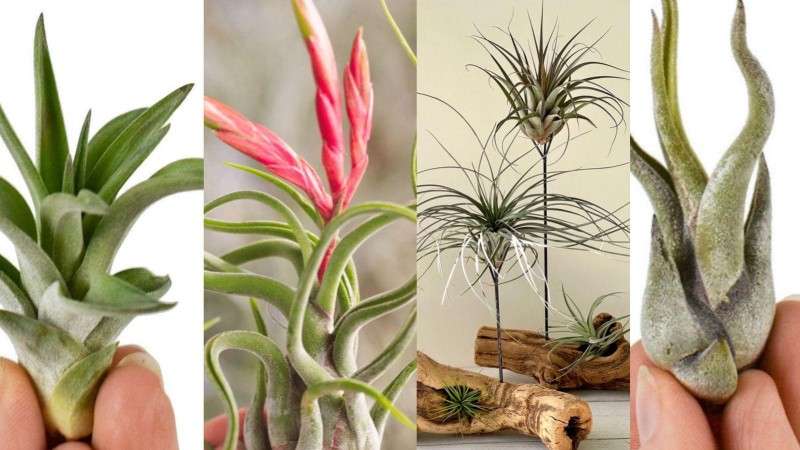
- Have you ever seen a magical plant that can grow by drinking air?
- By LH 14 Mar,2025
-
- What are the most ugly plants in the gardening world?
- By LH 09 Apr,2025

-
- Is the smell of mowing the grass a distress signal from plants?
- By LH 21 Feb,2025

-
- Hydroponic plants, gardening tips
- By LH 02 Apr,2025

-
- How to Choose the Best Lawn and Landscaping Services for Your Home
- By Prodosh Kundu 28 Aug,2024