Daily tips to stay away from cervical spondylosis
In the context of the increasingly tense pace of modern life, cervical spondylosis has quietly become the “invisible killer” of urbanites. Long-term work, low head to play the phone, poor posture, lack of exercise, these seemingly daily habits, is a little by little loss of the health of the cervical spine.
The cervical spine is an important hub connecting the brain and the body, and its state directly affects the nervous system, circulatory system and even the mental state of the whole person. If you want to alleviate or even avoid cervical spondylosis from the source, you must make scientific adjustments and maintenance in your daily life.
Posture, the first line of defense
Modern people spend time with electronic devices every day, whether in the office, study or leisure entertainment, head-down posture has almost become a kind of “life default”. But the structure of the cervical spine is not designed to withstand long periods of time forward, downward gravity pull.
Every head down a centimeter, the weight borne by the cervical spine will increase exponentially, and the long-term accumulation of this load, it is easy to trigger muscle tension, ligament strain, osteophytes and other problems.
Want to protect the cervical spine, the first thing is to establish a good sense of sitting posture. Keep your head and spine in a straight line, eyes flat at the screen, let your shoulders sag naturally, back straight. The height of the chair should also be suitable for feet flat on the ground, the back can be slightly against the back of the chair to provide support.
When using electronic devices, try to raise the screen to an eye-parallel position and reduce the frequency of head-down. If you are used to lying down on the sofa to look at the phone, tablet, this posture will cause additional distortion of the cervical spine, it is best to avoid as far as possible.
When standing, again be careful not to tilt your head forward. Shoulders relaxed, neck natural extension, the whole person has the feeling of upward elongation, can effectively reduce the pressure on the neck.

Daily activities in the “fine-tuning” wisdom
Many people think that cervical spondylosis is only related to the work posture, but in fact, we live in a variety of details, may also quietly affect the neck health. For example, washing your hair with too much force, sleeping with a pillow that is too high or too low, holding a child or lifting heavy objects in an improper position can cause short-term muscle strain or nerve compression.
The ideal sleeping position is to let the cervical spine naturally maintain physiological curvature. Choose a pillow of moderate height so that the head, neck and shoulders can be supported at the same time.
When sleeping on your back, the pillow should support the space between the back of the head and the neck, and when sleeping on your side, the spine should be kept in a straight line. Try to avoid sleeping on your back for long periods of time or having a pillow that is too soft or too low, as these can leave the neck muscles in an unnatural state.
Out shopping, holding children, backpacking, try to share the weight evenly, to avoid unilateral burden, resulting in continuous tension in the neck and shoulder muscles.
At the same time, to develop the habit of “turn your head to look at the distance” from time to time, so that the neck has the opportunity to free from a long period of time from the fixed, is a simple and practical health care action.
Dynamic exercise to activate neck vitality
The stability and flexibility of the cervical spine cannot be separated from the support of the surrounding muscle groups. Proper exercise not only improves blood circulation and relieves muscle fatigue, but also enhances the coordination and endurance of the neck and reduces the risk of strain injury.
There is no need for large-scale or high-intensity exercise, but the key is to “accumulate over time”.
A few minutes a day to do simple neck stretching exercises is a good habit. For example, gently rotate your head back and forth, slowly in a circular motion, and let your neck muscles gradually relax.
You can also try shoulder shrugs, chest expansion exercises and other movements to drive relaxation in the neck and shoulder linkage area. Sitting in front of the computer for a long time, you may want to stand up and walk around, stretch the back and neck, even if only a minute, can also play a soothing effect.
It is worth mentioning that the movement should pay attention to the rhythm and balance, avoid doing too fast, too hard action, especially in the absence of a warm-up state, suddenly turn your head or neck pressure behavior is likely to be counterproductive.
If you already have symptoms of neck discomfort, you should evaluate or consult a professional before exercising to avoid aggravating your condition.
In addition to movement and posture adjustments, gentle care in daily life can also add to the cervical spine. For example, applying a hot towel to the back of the neck for a few minutes between jobs can help improve local blood circulation and relieve muscle tension.

Wearing a soft scarf during the cold season to avoid cold wind blowing directly on the neck is also a very practical healthcare strategy.
In the shower, you can use warm water to gently rinse your shoulders and neck, and pair it with a light massage to relax the muscles. Without using any complicated techniques, just use your finger bellies in a circular manner on the side of the neck and shoulders with gentle pressure, for 2-3 minutes, can effectively relieve the feeling of tightness.
In addition, try to minimize the reliance on electronic devices at night, not in bed to brush the phone, catch up on drama or play games. Prolonged bowing of the head not only strains the cervical spine, but also delays sleep time, forming a vicious cycle.
Setting a “bedtime relaxation time”, reducing screen use 30 minutes before bedtime, and creating a gentle and quiet environment for sleeping are good for your body, mind and cervical spine.
Turning maintenance into a lifestyle
Many people are only alerted to the importance of cervical spine health after they have already experienced problems with their neck. However, more critical than treatment is prevention, and more effective than short-term relief is building a sense of long-term maintenance.
Incorporating cervical spine health into every detail of your life doesn't require a lot of effort, but only persistent attention to your every posture, every rest, and every mood.
In the high-speed city life, health is actually hidden in those tiny daily choices. Every time you get up and walk around, every time you adjust your sitting posture, every decision not to let yourself stare at the screen for a long time, are all silently for the cervical spine “loose ties”.
When these become a habit, you will find that not only the cervical spine becomes relaxed, the whole person's mental state, concentration and physical vitality is also enhanced.
Whiplash is not scary, what is scary is neglect and slackness. May every serious life, can be in the daily drip, guard this connection between the mind and the body of the “axis of life”.
 1
1 1
1OTHER NEWS
-
- Spring is here! Give Your Garden a New Look with These Gardening Tips
- By MTH 20 Feb,2025

-
- How terrible are carnivorous plants?
- By LH 12 Mar,2025

-
- The Five Best Flowers for Newbies to Keep Alive
- By MTH 14 Mar,2025

-
- 15 kinds of flowers suitable for summer
- By LH 31 Mar,2025

-
- The natural choice for indoor air purification five high-quality greenery recommendations
- By YL 14 Mar,2025

-
- How do you control pests and diseases in your garden
- By YL 12 Mar,2025

-
- Here’s a complete guide on what you should prepare before planting your seeds.
- By Prodosh Kundu 18 Jul,2024

-
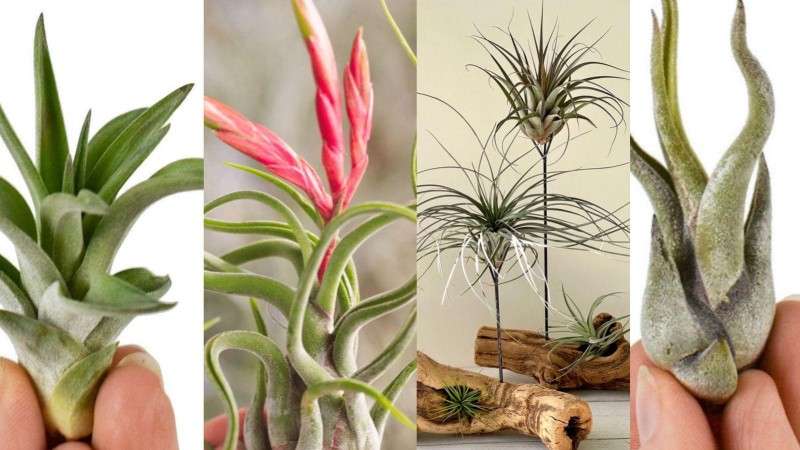
- Have you ever seen a magical plant that can grow by drinking air?
- By LH 14 Mar,2025
-
- What are the most ugly plants in the gardening world?
- By LH 09 Apr,2025

-
- Is the smell of mowing the grass a distress signal from plants?
- By LH 21 Feb,2025

-
- Hydroponic plants, gardening tips
- By LH 02 Apr,2025

-
- How to Choose the Best Lawn and Landscaping Services for Your Home
- By Prodosh Kundu 28 Aug,2024