Fatty liver is not scary the key is how to improve it
In modern society, fatty liver is no longer a rare disease. With the accelerated pace of life, changes in diet structure and reduced exercise, more and more people in the physical examination report appeared in the “fatty liver” three words. Some people are shocked to hear this result, while others take it lightly.
However, fatty liver is not a harmless thing, it is an important warning signal from the body. If left unchecked, it can lead to liver fibrosis, cirrhosis, and even liver cancer. But the good news is that fatty liver is reversible, and the key lies in scientifically improving your lifestyle and regulating your body from the root.
Where does fatty liver come from?
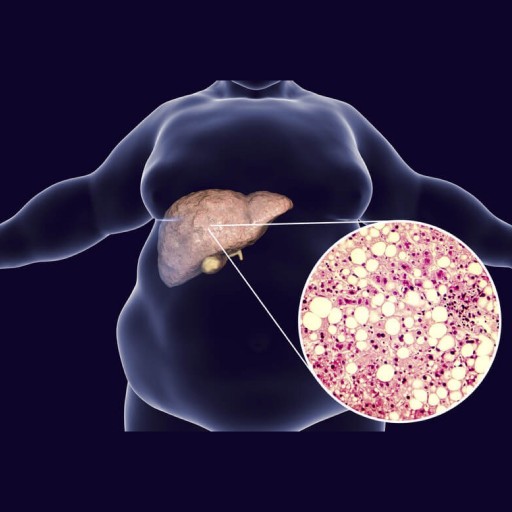
Fatty liver, as the name suggests, is a pathological condition in which there are excessive fat deposits in the liver. Normally, there is fat in the liver, but it is present in very low levels, accounting for about 5% of the liver's weight. When the fat content exceeds 5 to 10 percent of the liver's weight, it is diagnosed as fatty liver.
There are very many factors that contribute to fatty liver. The most common is long-term excess energy intake, such as a diet high in oil and sugar, which causes the body to be unable to metabolize the excess fat in time, and it can only be “temporarily stored” in the liver.
In addition, obesity, metabolic syndrome, type 2 diabetes, insulin resistance is also closely related to the formation of fatty liver. Excessive alcohol consumption is another important pathway, which accelerates the accumulation of fat in the liver, and then develops into alcoholic fatty liver.
In addition to these more typical factors, there are lesser-known triggers. For example, rapid weight loss, malnutrition, long-term use of certain medications, abnormal hormone levels, etc. may upset the balance of lipid metabolism in the liver and induce fatty liver.
Therefore, the mechanism of fatty liver formation may vary among different people and lifestyles, and the methods of improvement need to be individualized and scientifically based.
How to improve fatty liver scientifically?
The core of improving fatty liver lies in adjusting lifestyle and restoring the normal metabolic function of the liver. Fatty liver is reversible. With early intervention and persistence, the liver can gradually get rid of fat deposits and restore a healthy state.
The first thing to do is to start with dietary adjustments. Proper diet is the cornerstone of fatty liver improvement. Total energy intake should be controlled to achieve caloric balance or a slightly negative balance.
Food intake that is high in fat, sugar and calories, especially processed foods, sugary drinks, fried foods and desserts, should be avoided as much as possible. Instead, replace them with foods that are high in fiber, low in fat, and rich in natural nutrients, such as fresh vegetables, whole grains, low-sugar fruits, beans, fish, and lean meats.
These types of foods not only help reduce liver fat accumulation, but also improve insulin sensitivity and promote lipid metabolism.
Controlling carbohydrate intake is equally important. It is not necessary to completely ban carbohydrates, but to choose quality carbohydrates wisely, such as oats, brown rice, sweet potatoes and other low glycemic index foods, to avoid refined sugar and white flour products that cause large fluctuations in blood sugar.
In addition, the intake of high-quality protein should not be ignored. Protein can promote liver repair and regeneration, chicken breast, fish, tofu, eggs, etc. are good choices.
At the same time, rationalizing your eating schedule can also help improve fatty liver. Avoid overeating, try to chew slowly, eat in moderation, balanced eating, each meal is appropriate for eight minutes full. It is best to arrange dinner time more than 3 hours before bedtime to avoid a large amount of energy intake before going to bed, increasing the burden on the liver.
In addition to diet, regular exercise is also an important means of improving fatty liver. Exercise can promote fat decomposition, improve insulin sensitivity, and reduce fat deposition in the liver.
Both aerobic exercise and strength training have significant benefits for people with fatty liver. It is recommended to perform at least 150 minutes of moderate-intensity aerobic exercise per week, such as brisk walking, jogging, swimming or cycling.
If physical strength permits, a proper combination of resistance training, such as dumbbell exercises, deep squats, pull-ups, etc., can better increase basal metabolic rate and promote fat burning.
Start exercising gradually, and rationally arrange the intensity and frequency according to your physical condition to avoid sports injuries. Even if you can only walk briskly for 20 minutes at the beginning, it is much stronger than sitting still for a long time. The most important thing is to stick to it and integrate exercise into your daily life to form a healthy lifestyle.
Maintaining a good routine is also vital to improving fatty liver. Staying up late and not getting enough sleep can disrupt the body's metabolic rhythms and affect liver fat metabolism. Adequate, regular sleep helps hormonal balance and promotes body repair and metabolic recovery. Try to go to bed early and get up early to ensure 7 to 9 hours of quality sleep every night.
Psychological regulation should also not be ignored. Long-term mental stress, anxiety or depression will affect the endocrine system, which in turn affects lipid metabolism and insulin sensitivity.
Therefore, learning some stress management methods, such as meditation, deep breathing, and relaxing outdoor activities, can help improve physical and mental health and provide a favorable internal environment for the reversal of fatty liver.
Details to pay attention to in daily life
In daily life, there are some details that need special attention to improve fatty liver. For example, avoiding sedentary activities and doing more low-intensity daily activities, even getting up and walking around for 5 minutes every hour, can promote blood circulation and metabolism.
For weight management, the goal should be healthy, gradual weight loss rather than the pursuit of short-term quick fixes. Losing 0.5 to 1 kilogram per week is a relatively safe and effective method. Too rapid weight loss may instead lead to an increased burden on the liver or even induce a worsening of fatty liver.
The problem of alcohol consumption must also be faced head-on. Even in patients with non-alcoholic fatty liver disease, alcohol intake may still aggravate liver damage. If you have been diagnosed with fatty liver, you should try to abstain from alcohol or severely limit your alcohol intake.
Regular medical checkups are especially important for people with fatty liver. By means of ultrasound and liver function tests, liver status can be monitored dynamically, potential risks can be detected in time, and subsequent interventions can be guided. If the results of the physical examination show signs of improvement, it can also enhance confidence in improvement.
For high-risk groups, such as obese people, type 2 diabetics, and people with high blood cholesterol, self-management should start earlier, rather than waiting until fatty liver has developed to an obvious stage before paying attention. Early intervention can often yield twice the results with half the effort.
It is also important to understand the different stages of fatty liver. Mild fatty liver disease usually has no obvious symptoms, and appropriate lifestyle adjustments can be effective.
Moderate fatty liver disease is beginning to show abnormal liver function indexes, and requires more active intervention; severe fatty liver disease may have been accompanied by liver fibrosis, and you should seek the guidance of your doctor as soon as possible to formulate a more scientific and detailed improvement plan.
Fatty liver is not to be feared, the fear is to continue to let go. With action and scientific adjustments, you can revitalize your liver and rejuvenate your body. Start now and give your future self the promise of good health.
 1
1 1
1OTHER NEWS
-
- The natural choice for indoor air purification five high-quality greenery recommendations
- By YL 14 Mar,2025

-
- How to Choose the Best Lawn and Landscaping Services for Your Home
- By Prodosh Kundu 28 Aug,2024

-
- How do you control pests and diseases in your garden
- By YL 12 Mar,2025

-
- From planting to caring for flowers that bloom forever
- By MTH 10 Mar,2025

-
- Hydroponic plants, gardening tips
- By LH 02 Apr,2025

-
- Vigilance! Keeping these kinds of plants indoors may harm your health
- By ZYY 09 Apr,2025
-
- Is the smell of mowing the grass a distress signal from plants?
- By LH 21 Feb,2025
-
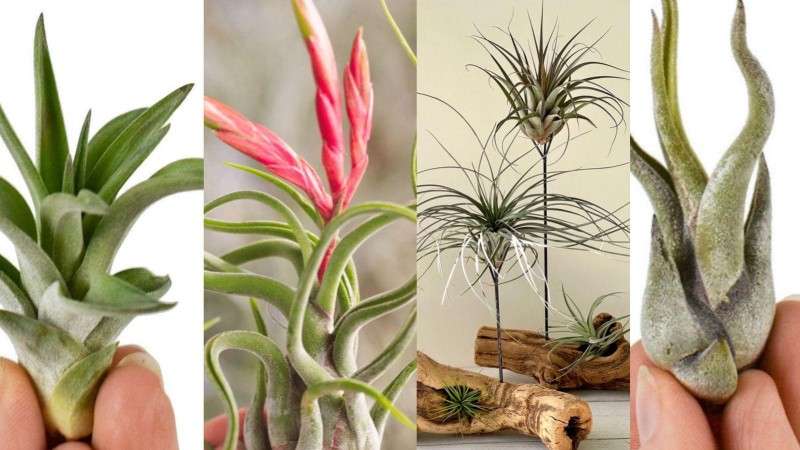
- Have you ever seen a magical plant that can grow by drinking air?
- By LH 14 Mar,2025
-
- How Organic Gardening Supplies Can Transform Your Garden And The Environment?
- By Prodosh Kundu 28 Oct,2024

-
- Do you know these secrets of plants?
- By LH 18 Feb,2025

-
- The Five Best Flowers for Newbies to Keep Alive
- By MTH 14 Mar,2025

-
- Here’s a complete guide on what you should prepare before planting your seeds.
- By Prodosh Kundu 18 Jul,2024