Ignored deadly threat! How to prevent common household food poisonin
Have you ever felt gastrointestinal discomfort due to a home-cooked meal with a poor appetite? Abdominal pain, vomiting, diarrhea, these annoying symptoms are likely to be caused by household food poisoning. Although we often pay attention to major events in food safety news, there is an "invisible serious killer" lurking in our kitchens - household food poisoning.
In the eyes of many people, food poisoning seems to be something that is easy to happen in restaurants or roadside stalls. But in fact, more than 70% of food poisoning incidents occur at home. Leftovers in the refrigerator for a few days, uncooked chicken, lettuce accidentally forgotten on the kitchen counter, these seemingly insignificant negligence may hide deadly health risks.
"Invisible killer" of food poisoning
There are many reasons for household food poisoning, but the most common culprits include: Salmonella, E. coli, Listeria, norovirus, etc. These microorganisms reproduce quietly in invisible places. Once ingested, they can cause diarrhea and vomiting at the least, dehydration, kidney failure, and even life-threatening at the worst.
It is alarming that children, pregnant women, the elderly and people with weakened immune systems are more likely to develop serious complications from food poisoning, and thousands of people are hospitalized every year due to improper food handling at home.
So, how can we prevent these neglected deadly threats?

1. Don't let the "refrigerator" become a bacterial incubator
Do you also think that "putting it in the refrigerator is safe"? This is the most common misconception.
The refrigerator only slows down the growth of bacteria, but does not kill them. Pay special attention to the following refrigerator usage habits:
Don't put hot food directly into the refrigerator. Wait for it to cool naturally to room temperature before storing it to prevent the temperature from rising and affecting the whole box of food.
Refrigeration is not the same as freezing. Generally, the refrigeration temperature should be maintained below 4°C, and the freezing temperature should be below -18°C.
Keep raw and cooked food separate. Please seal raw meat, raw fish, etc. in a fresh-keeping box and place them at the bottom to prevent blood dripping and contaminating other foods.
Clean the refrigerator regularly. Clean it thoroughly at least once a month and dispose of spoiled or expired food.
2. The kitchen is not a "laboratory", cleaning and partitioning are essential
Many families save trouble when cooking, and use one cutting board to cut everything - cutting fruits in the morning, cutting meat at noon, and cutting vegetables in the evening. Doing so is tantamount to opening a high-speed channel for bacteria.
Use cutting boards and knives separately: Raw food and cooked food should use different cutting boards and knives to avoid cross-contamination.
Wash immediately after each use: Do not wait until after the meal to clean, the residual protein and moisture are a breeding ground for bacteria.
Clean the countertops and sinks daily: Especially after handling raw meat or raw eggs, use chlorine-containing cleaners to wipe.

3. Heating, not just "heating" is enough
Some people are used to "heating it up" in the microwave, but in fact this is far from enough.
Heating must exceed 70°C to effectively kill most bacteria.
Microwave heating is prone to "uneven hot and cold", it is recommended to stir or heat in sections.
Try to reheat leftovers only once, repeated heating not only loses nutrients, but also easily breeds heat-resistant bacteria.
4. Food selection and storage cannot be ignored
When buying food in the supermarket, pay special attention to the following points:
Check the packaging date and shelf life: Don't buy cheap products that are about to expire, especially meat, dairy products and ready-to-eat foods.
Avoid buying products with damaged packaging: damaged or swollen cans, boxed milk, etc. may have been contaminated by bacteria.
Room temperature food should not be stored for a long time: salads, cooked food, and dairy products should be refrigerated as soon as possible and consumed within 2 days once opened.
5. If any family member is unwell, be vigilant
If someone in the family has the following symptoms, please pay attention:
Continuous diarrhea, vomiting for more than 24 hours, high fever, bloody stools or severe abdominal pain, children or the elderly have obvious symptoms. At this time, you should seek medical attention immediately and keep suspicious food samples to assist in diagnosis. At the same time, the whole family should temporarily avoid sharing tableware and food to avoid cross infection.
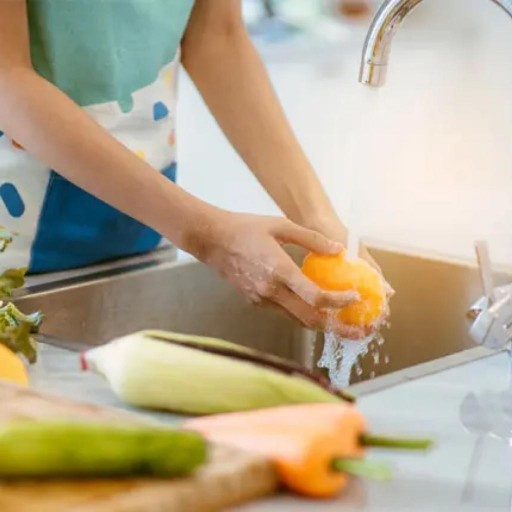
6. The golden formula for daily prevention: "Clean, separate, cook, and store"
The World Health Organization has proposed four principles for family food safety:
Clean: Wash hands frequently and clean kitchen utensils
Separate: Strictly separate raw and cooked food
Cook: Make sure food is thoroughly heated
Chill: Refrigerate food in time
These four steps are simple and easy to remember, but can greatly reduce the risk of food poisoning.
Conclusion: A safe kitchen starts with you and me
Family is the place we trust the most, but it is also the place where we are most likely to relax our vigilance. Food safety should not be underestimated. It is related to every bite of food, every dinner, and even more to the health and safety of the family.
Don't wait until you are poisoned to regret it, and don't let a meal turn into a trip to the hospital. Starting today, re-examine your kitchen habits and implement every detail.
Because the real "delicious food" is not how delicious it looks, but whether you eat it with peace of mind.
 1
1 1
1OTHER NEWS
-
- Here’s a complete guide on what you should prepare before planting your seeds.
- By Prodosh Kundu 18 Jul,2024

-
- How to Choose the Best Lawn and Landscaping Services for Your Home
- By Prodosh Kundu 28 Aug,2024

-
- Growing For The Planet: How Sustainable Gardening Practices Can Help To Mitigate Climate Change
- By Prodosh Kundu 28 Oct,2024
-
- The natural choice for indoor air purification five high-quality greenery recommendations
- By YL 14 Mar,2025

-
- Spring is here! Give Your Garden a New Look with These Gardening Tips
- By MTH 20 Feb,2025

-
- Do you know these secrets of plants?
- By LH 18 Feb,2025

-
- How do you control pests and diseases in your garden
- By YL 12 Mar,2025

-
- Hydroponic plants, gardening tips
- By LH 02 Apr,2025

-
- Vigilance! Keeping these kinds of plants indoors may harm your health
- By ZYY 09 Apr,2025
-
- 15 kinds of flowers suitable for summer
- By LH 31 Mar,2025

-
- How Organic Gardening Supplies Can Transform Your Garden And The Environment?
- By Prodosh Kundu 28 Oct,2024

-
- The Five Best Flowers for Newbies to Keep Alive
- By MTH 14 Mar,2025