Five “eat wrong may be fatal” food, you dare to try?
In the world of gastronomy, there are some foods that are known for their danger, not only for their delicious flavor, but also for the deadly toxins they hide. Man's obsession with flavor has led chefs to explore complex and subtle techniques to transform these “poisons” into mouth-watering delicacies.
In this article, we will introduce five famous “poisonous delicacies” from around the world and talk about their tantalizing flavors, the source of their toxicity, and how to consume them safely.
Fugu - Japan's Most Dangerous Taste
Taste Profile:
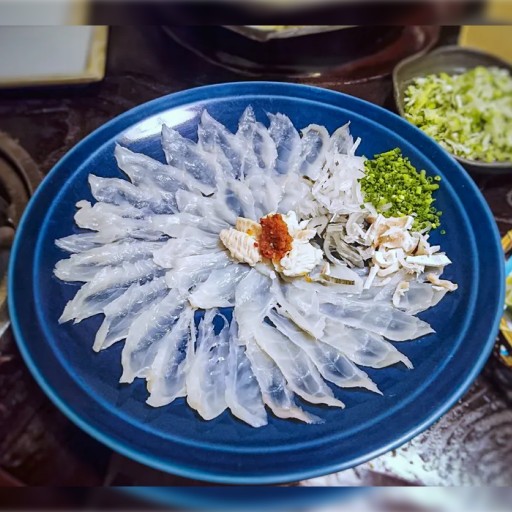
Fugu is a legendary ingredient in Japanese cuisine. Its delicate, refreshing and slightly elastic meat is commonly found in high-end dishes such as sashimi and hot pot. For many diners, the appeal of blowfish lies not only in the taste, but also in the thrilling experience of being on the edge of life and death.
Source of toxicity:
Pufferfish contain the highly toxic Tetrodotoxin, which is mainly concentrated in the liver, ovaries and skin. The toxin is odorless and colorless, and even a small amount of it can be fatal, and there is still no effective antidote.
How to de-toxify:
In Japan, only professional chefs who have passed strict training and obtained a “puffer fish handling license” are allowed to handle puffer fish. They are required to precisely remove all poisonous organs, leaving only the non-toxic muscle parts. While it is considered safe to eat puffer fish in a compliant restaurant, it is extremely dangerous to handle it privately.
King of Mushrooms: The “False Friend” of the Porcini Mushroom
Tasty Profile:
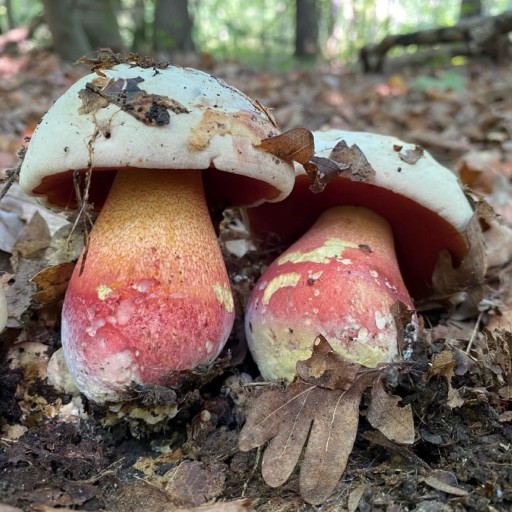
Known as the “king of mushrooms,” Boletus edulis has a rich, nutty flavor and meaty texture, and is often used in risottos, stews or stir-fries. However, a number of “poisonous” mushrooms that resemble it also occur frequently in the wild.
Source of toxicity:
Boletus satanas, for example, looks like Boletus edulis but contains gastrointestinal toxins that can cause severe vomiting and diarrhea when consumed. Its toxins, while not usually fatal, are extremely destructive.
How to de-toxify:
The key is identification. Experienced mushroom pickers can determine authenticity by the color of the gills and the discoloration reaction of the section. It is generally recommended that the average person not pick wild mushrooms on their own, but rather buy dried or cultivated varieties that have been tested.
Fermented Shark Meat (Hákarl) - Iceland's “Taste of Hell”
Tasty Profile:
Fermented shark meat is a traditional Icelandic food, usually made from Greenland shark. It smells strong and ammonia-y when you first eat it, but for those who are used to it, it is a unique flavor experience.
Source of toxicity:
The meat of this shark naturally contains high concentrations of urea and trimethylamine oxide, which are highly toxic to humans when untreated and can trigger dizziness, vomiting and even neurological symptoms when consumed.
How to de-toxify:
Icelanders will cut up pieces of shark meat and bury them in the sand to ferment for 6-12 weeks, then air-dry them for months to break down the toxic components. The resulting meat becomes edible and harmless, but the flavor is so “challenging” that it is considered “food for the brave”.
Rotten West African Ackee - Jamaica's “Fruit of the Nation”
Delicious Profile:
Ackee is the national fruit of Jamaica and is a classic combination with Saltfish, the traditional breakfast of the region. Its ripe flesh is delicate and soft, with a subtle sweetness and nutty flavor.
Source of Toxicity:
Unripe Ackee fruits contain high levels of Hypoglycin A & B, which can cause “Jamaican Vomiting Sickness”, which can result in hypoglycemia, vomiting, and even death. The toxin is naturally reduced when the fruit is fully ripe and open.
How to de-toxify:
Ackee is only ripe and edible when it naturally splits open and reveals its yellow flesh. The black seeds and red membranous tissue need to be carefully removed and the fruit is safe to eat after cooking. Importing or selling unripe Ackee without permission is illegal in the U.S. and elsewhere.
Strychnine tree seed - India's “Medicine and Poison”
Tasty Profile:
Mandarins are used in traditional Indian medicine to treat indigestion or joint pain, and in small quantities to enhance the taste and even to flavor bitter drinks or medicinal liquors.
Source of Toxicity:
Its seeds contain Strychnine, a highly toxic neurotoxin that can cause violent spasms, muscle twitching, and in severe cases, death. Ingestion of just a few milligrams can cause poisoning.
How to de-toxify:
Traditional methods include soaking the seeds in water for many days or boiling them with herbs to reduce toxicity. However, due to its extreme toxicity, the kernel is only used in specific doses and handled by professional herbalists, and is not a common ingredient and is used very sparingly in the modern diet.
Beyond the Taste, Be Careful
While these “toxic delicacies” are a testament to the human spirit of pushing the limits of taste, they are also a reminder that not all seemingly delicious foods can be consumed at will.
If you want to try these dangerous delicacies, make sure you go to a proper restaurant and follow the legal process, and don't collect or handle them on your own. After all, you can try something delicious, but you only live once.
 1
1 1
1OTHER NEWS
-
- Is the smell of mowing the grass a distress signal from plants?
- By LH 21 Feb,2025

-
- 15 kinds of flowers suitable for summer
- By LH 31 Mar,2025
-
- Have you ever seen a magical plant that can grow by drinking air?
- By LH 14 Mar,2025
-
- How terrible are carnivorous plants?
- By LH 12 Mar,2025
-
- How do you control pests and diseases in your garden
- By YL 12 Mar,2025

-
- The Five Best Flowers for Newbies to Keep Alive
- By MTH 14 Mar,2025
-
- How to Choose the Best Lawn and Landscaping Services for Your Home
- By Prodosh Kundu 28 Aug,2024

-
- Planting Tips: Best Indoor Plants Recommendations and Care Guide
- By MTH 18 Feb,2025

-
- The natural choice for indoor air purification five high-quality greenery recommendations
- By YL 14 Mar,2025
-
- From planting to caring for flowers that bloom forever
- By MTH 10 Mar,2025

-
- Spring is here! Give Your Garden a New Look with These Gardening Tips
- By MTH 20 Feb,2025

-
- Hydroponic plants, gardening tips
- By LH 02 Apr,2025