These spices turn home-cooked dishes into Michelin-star dishes in seconds!
Spices have always played a mysterious and important role in the long history of human beings and food. They not only awaken taste buds, but also transform ordinary ingredients into unforgettable delicacies.
Today, we will explore several classic spices that transcend regional boundaries and are loved by home cooks around the world, revealing how they inject inspiration and depth into daily cooking through unique flavor layers.
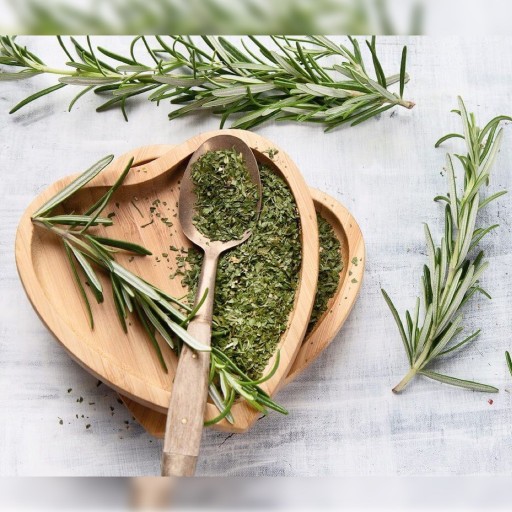
Rosemary
This needle-shaped spice native to the Mediterranean coast has become a golden partner for meat dishes with its clear pine aroma and light bitterness.
During the barbecue season, whole rosemary can be used directly as a natural garnish on the grilling fork, and its essential oils penetrate lamb chops or chicken wings under high temperatures, giving the meat a charming smoky flavor.
If it is chopped and mixed with olive oil and garlic to make a marinade, it can soften the meat fibers and make pan-fried salmon or potato wedges covered with the taste of Mediterranean sunshine.
It is worth noting that rosemary and lemon are a natural match - try stuffing rosemary branches and lemon slices into the belly of a roasted chicken, and the juice that seeps out during the baking process will form a crystal sauce base.
Basil
As an aromatic plant widely cultivated in tropical to temperate regions, sweet basil in the basil family stands out with its fresh anise scent.
When making tomato dishes, chopped fresh basil leaves are sprinkled on freshly cooked pasta, and the heat will stimulate the mouth-watering herbal sweet aroma; if it is mixed with pine nuts, Parmesan cheese, and olive oil to make pesto, it can be spread on baguette slices or used as the soul sauce for cold noodles.
Interestingly, basil and tropical fruits can also collide to create sparks: adding a little basil to mango salad will add a surprising coolness to the sweet and sour taste.
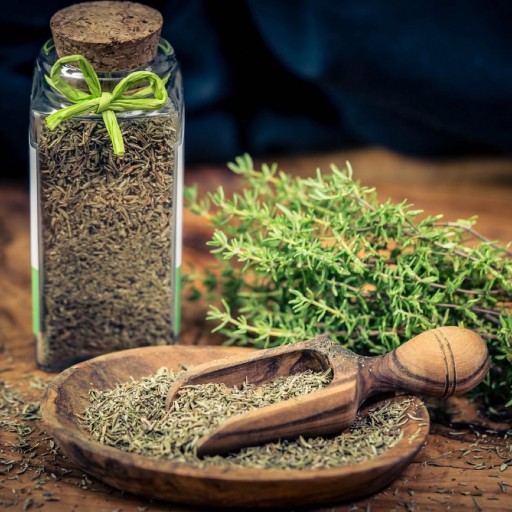
Thyme
This highly adaptable low shrub can concentrate its aroma more strongly in dry environments. The woody notes of fresh thyme are perfectly matched with lemon, and it is often used to stew seafood soup-fry shrimp shells with thyme, carrots, and onions, and the slow-cooked amber soup base will have a faint sea breeze.
In the baking field, when dried thyme powder meets bread dough, it releases a warm and spicy aroma during the fermentation process, which is particularly suitable for making Italian flat breads such as focaccia.
Oregano
Oregano is an iconic spice of the Mediterranean diet. Its slightly bitter herbal flavor reaches its peak after drying.
On the classic Neapolitan pizza, the ground oregano sprinkled on the surface of mozzarella cheese not only balances the acidity of the tomato sauce, but also awakens the wheat aroma of the dough after high-temperature baking.
In modern healthy diets, oregano, olive oil, and vinegar sauces have become popular companions for salads and grilled vegetables, while Mexican cuisine uses it to marinate grilled meats to add smoky and spicy flavors.
Cinnamon
This bark spice from Sri Lanka has long broken through the boundaries of the dessert field. When making apple pie, cook cinnamon sticks with apple cubes, and its warm sweet aroma can penetrate the pulp fibers; and sprinkling cinnamon powder on the surface of hot cocoa is the most healing ritual in the cold winter.
In recent years, cinnamon has been making a splash in savory dishes: try adding half a stick of cinnamon to beef stew, where the tannins combine with the meat's proteins to create fascinating layers of complexity.
Turmeric
This South Asian root spice has become popular around the world for its bright color and mild spicy flavor. In making curry, turmeric is not only a natural colorant, but also a harmonious resonance with other spices.
Home cooks can use it to make golden milk: cooking turmeric powder with coconut milk, honey and black pepper can not only soothe the body and mind, but also show its antioxidant effects.
Seasoning wisdom
The key to mastering the characteristics of spices is to understand their flavor intensity: sweet spices such as cinnamon should be used in small amounts, while black pepper and red pepper flakes need to be adjusted according to the ingredients.
It is recommended to use dried spices immediately after grinding to preserve volatile essential oils; fresh herbs such as basil and mint can be added at the end of the dish to avoid long-term high temperatures that destroy the aroma.
From weekend barbecue parties to quick weekday dinners, these spices are like invisible magicians, sublimating daily meals into taste adventures.
Next time you go to the market, why not bring back a few sprigs of fresh rosemary or a bag of mixed spices and start your flavor experiments in the kitchen - you may find that the most attractive dishes often begin with a hint of fragrance at your fingertips.
 1
1 1
1OTHER NEWS
-
- Is the smell of mowing the grass a distress signal from plants?
- By LH 21 Feb,2025

-
- 15 kinds of flowers suitable for summer
- By LH 31 Mar,2025

-
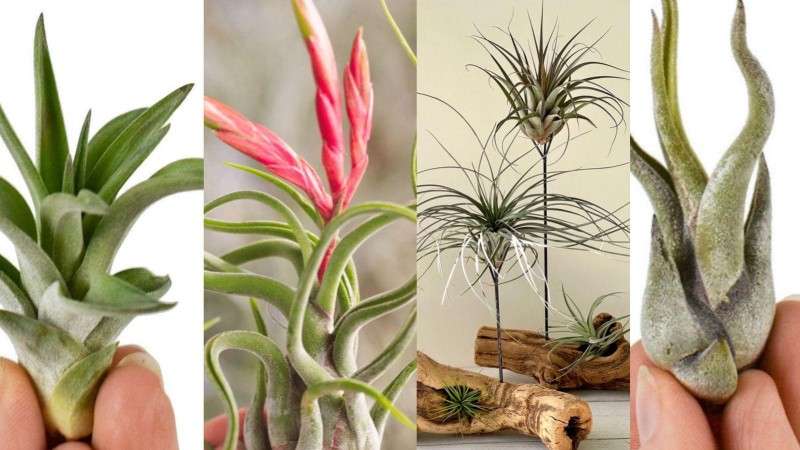
- Have you ever seen a magical plant that can grow by drinking air?
- By LH 14 Mar,2025
-
- How terrible are carnivorous plants?
- By LH 12 Mar,2025

-
- How do you control pests and diseases in your garden
- By YL 12 Mar,2025

-
- The Five Best Flowers for Newbies to Keep Alive
- By MTH 14 Mar,2025

-
- How to Choose the Best Lawn and Landscaping Services for Your Home
- By Prodosh Kundu 28 Aug,2024

-
- Planting Tips: Best Indoor Plants Recommendations and Care Guide
- By MTH 18 Feb,2025

-
- The natural choice for indoor air purification five high-quality greenery recommendations
- By YL 14 Mar,2025

-
- From planting to caring for flowers that bloom forever
- By MTH 10 Mar,2025

-
- Spring is here! Give Your Garden a New Look with These Gardening Tips
- By MTH 20 Feb,2025

-
- Hydroponic plants, gardening tips
- By LH 02 Apr,2025