The multiple effects of albinism
Albinism, medically known as “albinism syndrome” or “albinism”, is a hereditary disease caused by a genetic mutation, which is mainly manifested by the loss of pigmentation in the skin, hair and eyes.
However, the impact of albinism is far more than skin color change, it has significant multiple effects on the patient's physical health, psychological development, social life and environmental adaptability. In this article, we will discuss the impact of albinism from multiple angles to help you understand the disease more comprehensively.
Causes and manifestations of albinism
Albinism is caused by mutations in a specific set of genes that are commonly associated with the synthesis and distribution of melanin. Melanin is the key substance that determines skin tone, eye color and hair color. Individuals with albinism usually exhibit very light skin, hair, and eye color, with the skin even appearing pinkish or milky white, due to the lack of melanin.
Although the most striking feature of albinism is the lack of pigmentation, it is not limited to changes in appearance. In fact, the effects of albinism are systemic, involving multiple aspects of vision, immune system, and skin health.
Impact on vision: more than just blurred vision
The effects of albinism on the eyes are obvious. Due to a lack of melanin, the eyes of albinos usually appear red or pink. This phenomenon occurs when the iris of the eye does not have enough melanin to block too much light, causing the eye to be susceptible to ultraviolet and bright light.
After prolonged exposure to bright light, patients may experience blurred vision, dry eyes, or even loss of vision.
In addition, albinos are often accompanied by refractive errors and other eye disorders, such as myopia, hyperopia, and astigmatism, which make their vision even more limited. Therefore, albinos often need to wear sunglasses to protect their eyes from ultraviolet rays, and some patients even need regular eye treatment to improve their vision.
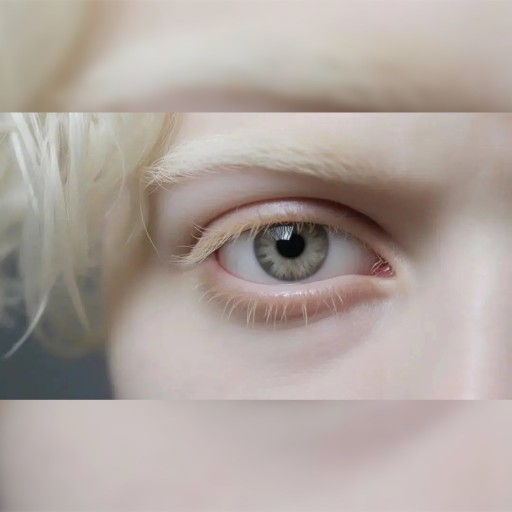
The fragility of the skin: more susceptible to injury and sunburns
The skin of albinos lacks adequate melanin protection, making them extremely sensitive to ultraviolet rays from the sun. UV rays from the sun can cause problems such as skin burns, aging and skin cancer. Therefore, people with albinism are more prone to sunburns than normal people, especially on days with strong sunlight.
In addition, people with albinism have a weaker skin barrier and are prone to dryness and peeling. Due to the lack of melanin, the skin's immune response is also relatively poor, making it more susceptible to external bacteria and viruses.
Therefore, patients need to pay special attention to protecting the skin, avoiding prolonged exposure to the sun, and taking sun protection measures, such as using sunscreen, sun hats and so on.
Psychological and social adaptation: facing external prejudice and discrimination
Albinism not only affects the physical health of patients, but may also bring great pressure on their mental health. In many cultures and societies, skin color is one of the criteria by which people judge the appearance of others at first glance.
Since the color of skin, hair and eyes of albinos is very different from normal people, they often face strange looks from outsiders, even prejudice and discrimination.
This discrimination comes not only from strangers, but may even come from the ignorance and unintentional words of friends and family. For children with albinism, such prejudice may manifest itself in school bullying, isolation or rejection, leading to low self-esteem and affecting their social skills and self-confidence.
In the long run, the self-identity of people with albinism may be challenged, even leading to psychological problems such as depression.
In order to better adapt to social life, people with albinism and their families need more social support, especially help from social, educational and medical organizations. Through proper education and popularization, prejudice can be effectively eliminated to help albinos better integrate into society.

Environmental adaptation: special needs in life
As the body functions of albinos are different from those of normal people, they need special environmental adaptations in their daily lives. For example, in warm environments, patients may face higher heat stress due to poorer body regulation.
In addition, prolonged exposure to the outside environment, especially in areas with strong sunlight, may cause serious damage to the patient's skin.
Therefore, albinos need more care and protection, especially in their daily lives. For example, they may need to perform activities indoors or wear special protective clothing when outdoors. In addition, albinos need to use specially designed skin care products to help protect their skin from ultraviolet rays and keep it healthy.
Medical Research and Treatment Prospects of Albinism
At present, there is no complete cure for albinism, but with the advancement of medical science and technology, more and more treatments are being researched and explored. For example, gene therapy, as a new direction of treatment, is expected to improve the condition of albinos by repairing or replacing damaged genes.
In addition, existing medications and eye surgeries can also help alleviate the discomfort caused by albinism to a certain extent.
Although current treatments focus on improving symptoms and enhancing patients' quality of life, future developments in gene therapy technology may lead to more effective cures. Various research institutions and medical teams are working hard for this, and the future of albinos is full of hope.
Conclusion: Hand in Hand, Support Together
Albinism is not only a change in skin color, but also affects physical health, psychological state, social adaptation and other aspects. As members of the society, we should pay more attention to the needs of albinos, eliminate prejudice and provide assistance so that they can live in a more understanding and tolerant environment.
Both individuals and all sectors of society should promote awareness and understanding of albinism through education, advocacy and research. Let's join hands to focus on the needs of this group and help them overcome the challenges of life and enjoy equal rights and dignity as normal people.
By working together, we believe that people with albinism will be able to lead healthier, happier and more fulfilling lives in the future.
 1
1 1
1OTHER NEWS
-
- Hydroponic plants, gardening tips
- By LH 02 Apr,2025
-
- How to Choose the Best Lawn and Landscaping Services for Your Home
- By Prodosh Kundu 28 Aug,2024

-
- Do you know these secrets of plants?
- By LH 18 Feb,2025

-
- Planting Tips: Best Indoor Plants Recommendations and Care Guide
- By MTH 18 Feb,2025

-
- Here’s a complete guide on what you should prepare before planting your seeds.
- By Prodosh Kundu 18 Jul,2024
-
- How Organic Gardening Supplies Can Transform Your Garden And The Environment?
- By Prodosh Kundu 28 Oct,2024

-
- How terrible are carnivorous plants?
- By LH 12 Mar,2025
-
- Vigilance! Keeping these kinds of plants indoors may harm your health
- By ZYY 09 Apr,2025
-
- 15 kinds of flowers suitable for summer
- By LH 31 Mar,2025
-
- How do you control pests and diseases in your garden
- By YL 12 Mar,2025
-
- Have you ever seen a magical plant that can grow by drinking air?
- By LH 14 Mar,2025
-
- The Five Best Flowers for Newbies to Keep Alive
- By MTH 14 Mar,2025