Are you troubled by dandruff? Scalp health determines hair quality!
In our daily hair care, most people often focus on the health and beauty of the hair itself, but in fact, the key to determining hair quality lies in the health of the scalp. The scalp is the foundation of the hair, which directly affects the nutrition supply and growth environment of the hair.
Once there is a problem with the scalp, such as dandruff, dry scalp or excessive oil production, the condition of the hair will also be affected. So, what exactly causes dandruff problems? How to maintain scalp health? Next, let's explore it in depth.
1. The cause of dandruff-not just a "scalp problem"
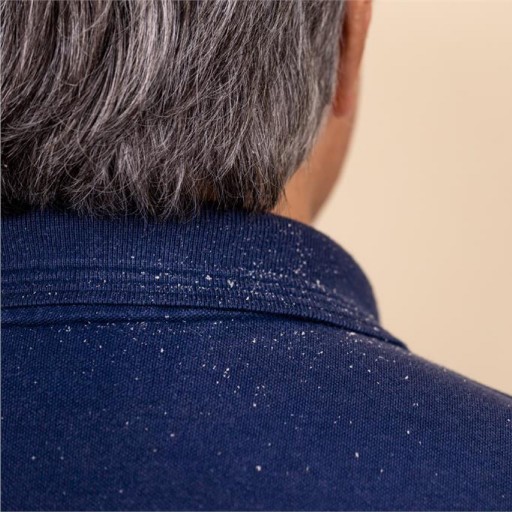
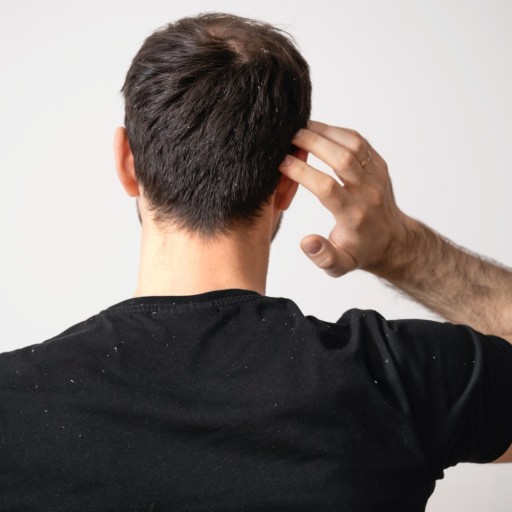
Dandruff is a common scalp problem. Many people are confused and even embarrassed about dandruff, especially in public. In fact, the causes of dandruff are varied. The following are some common factors:
Fungal infection: Dandruff is mainly caused by a fungus called Malassezia, which usually lives on the surface of the scalp. The right amount of Malassezia is harmless to the scalp.
However, when the oil secretion of the scalp increases, Malassezia will multiply in large numbers, decompose sebum to produce metabolites, thereby irritating the scalp and causing dandruff.
Over-cleaning or improper cleaning: Some people mistakenly believe that frequent shampooing can solve the problem of dandruff, but excessive cleaning can cause the scalp to be too dry, stimulate the sebaceous glands to secrete more oil, and cause dandruff.
On the contrary, insufficient cleaning can cause the scalp to accumulate oil, breed bacteria, and form dandruff.
Sensitive or dry scalp: Especially in winter, the dry climate can cause the scalp to lose moisture, causing itching and flaking. In addition, using shampoos containing irritating chemical ingredients may also cause scalp allergies and dryness.
Stress and unhealthy lifestyle: Excessive stress, irregular diet, and lack of exercise can weaken the immune system and damage the health of the scalp. Long-term stress may lead to an imbalance in hormone secretion, which in turn stimulates excessive oil on the scalp and induces dandruff.
2. Why does scalp health determine hair quality?
The scalp is the "soil" of hair, and the hair follicles are the "roots" of hair. A healthy scalp can provide good blood circulation and sufficient nutrition to nourish hair growth. If the scalp is unhealthy, the hair follicles are easily blocked and atrophied, and the hair will become sparse, dry, and even hair loss problems will occur.
Nourishing hair follicles and promoting hair growth: A healthy scalp can ensure that the hair follicles get enough nutrition so that the hair can grow normally. However, atrophy or blockage of hair follicles will affect the growth rate of new hair, making the hair sparse and fragile.
Balance oil and keep the hair shiny: A healthy scalp can secrete an appropriate amount of oil, form a protective film, lock the moisture of the hair, and keep the hair smooth and shiny. If the scalp oil secretion is unbalanced, the hair is either too greasy or dry and frizzy.
Anti-inflammatory and antibacterial, prevent scalp inflammation: A healthy scalp has a natural antibacterial barrier that can prevent the invasion of harmful microorganisms such as fungi and bacteria, and avoid the occurrence of scalp inflammation.
When the health of the scalp is damaged, this barrier will be weakened, which is easy to cause problems such as scalp redness, swelling, itching, etc., affecting the growth environment of the hair.
3. How to improve scalp health?
Choose the right shampoo products
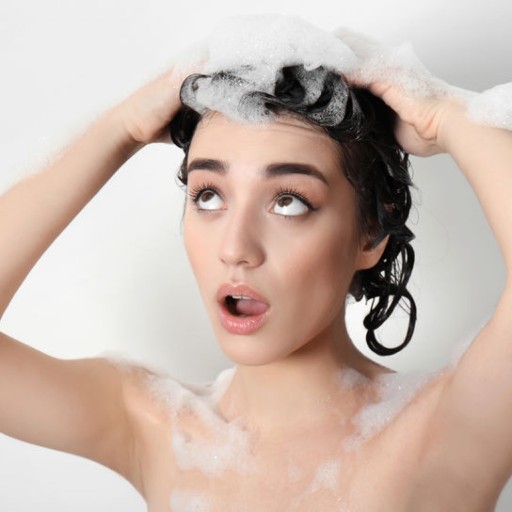
The choice of shampoo is crucial to scalp health. For dandruff problems, you can choose shampoos containing anti-dandruff ingredients, such as pyrithione zinc, salicylic acid or ketoconazole, which can inhibit the growth of Malassezia and effectively reduce dandruff.
At the same time, avoid using products with too many sulfates and fragrances, as these ingredients may irritate the scalp and cause allergies or dryness.
Control the frequency of shampooing
The frequency of shampooing varies from person to person, but generally speaking, 2-3 times a week is more appropriate. Excessive cleaning will destroy the natural protective layer of the scalp, while too little shampooing will cause oil accumulation and cause dandruff.
Therefore, according to the actual situation of the scalp, arrange the frequency of shampooing reasonably to achieve the best cleaning effect.
Balanced diet and nutritional supplements
Scalp health is inseparable from good eating habits. Sufficient vitamin B group, zinc, iron and other elements should be consumed in the diet, which are important nutrients required for scalp and hair health.
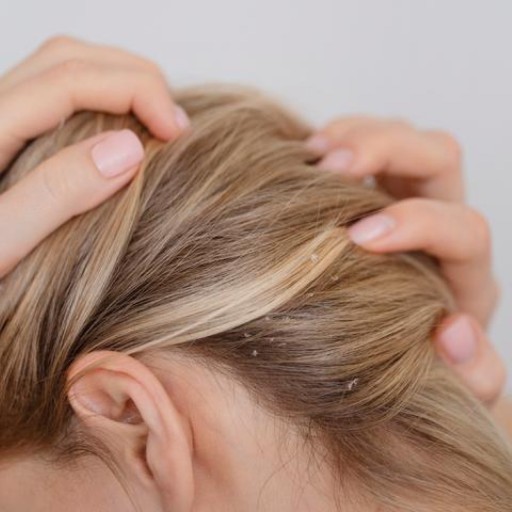
Especially vitamins B6 and B12, which help improve sebum secretion and relieve dandruff problems. In addition, eating more foods rich in Omega-3 fatty acids, such as fish, flax seeds, etc., can nourish the scalp and enhance its moisturizing ability.
Increasing vitamin A can keep scalp cells healthy, prevent dry scalp, thicken the stratum corneum, and thus reduce dandruff. It is also necessary to reduce the intake of sugar and greasy foods.
High-sugar and high-oil foods will increase the secretion of sebaceous glands, which can easily lead to oily scalp, thus creating an environment for fungal reproduction and aggravating dandruff problems. Therefore, it is recommended to minimize the intake of sugar and greasy foods and maintain a light diet.
Regular scalp massage
Scalp massage can not only promote blood circulation, but also relieve stress and relax nerves. Gently massaging the scalp with your fingertips for 5-10 minutes every day can help hair follicles absorb more nutrients and improve scalp health.
If conditions permit, you can use appropriate scalp massage oils, such as products containing tea tree oil, rosemary oil or peppermint oil. These ingredients have good effects on antibacterial and antipruritic effects.
Moderately reduce the use of styling products
Try not to let styling products such as hair spray, wax, and mousse come into direct contact with the scalp. The chemical ingredients in these products may clog the hair follicles. Long-term use will affect the breathing and oil secretion of the scalp and increase the risk of dandruff.
Especially at night, you should clean your hair thoroughly to avoid styling products from remaining on the scalp.
4. Tips to avoid dandruff
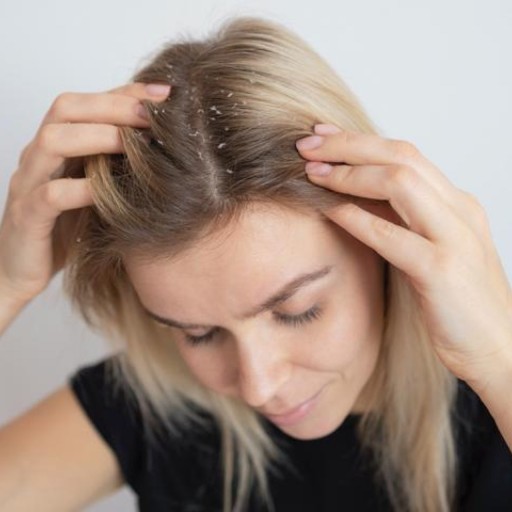
Don't scratch your scalp hard: When dandruff causes itching, many people can't help scratching hard, but this will only further irritate the scalp and aggravate the dandruff problem. It is recommended to use a mild anti-dandruff shampoo to relieve scalp itching.
Choose warm water to wash your hair: Too high water temperature will destroy the natural oil protective layer of the scalp. It is recommended to use warm water to wash your hair, which will help maintain the moisture balance of the scalp and avoid excessive dryness.
Wear a hat moderately: Although a hat can prevent direct stimulation of the scalp by external pollutants, wearing a hat for a long time will affect the ventilation of the scalp, causing excessive oil secretion on the scalp and causing dandruff. Therefore, you should also wear a hat moderately to avoid prolonged stuffiness.
Avoid excessive dyeing and perming: Hairdressing operations such as dyeing and perming require the use of chemical agents. Frequent dyeing and perming will damage the healthy barrier of the scalp and cause dry and sensitive scalp. It is recommended to reduce the frequency of dyeing and perming as much as possible to avoid irreversible damage to the scalp.
5. Long-term maintenance of scalp health
Maintaining a healthy scalp is a long-term task that requires us to pay attention to many details in daily life. A healthy scalp can not only effectively improve the problem of dandruff, but also make the hair smooth and shiny.
The key is to establish good living habits, including scientific cleaning methods, reasonable diet, and moderate use of hair care products, so as to truly protect the health of the scalp from the root.
Although dandruff is a minor problem, it reflects the health of the scalp. If we just clean up the dandruff blindly and ignore the maintenance of the scalp, it may form a vicious circle and make the scalp problem more serious.
Maintaining a healthy scalp in a scientific way can not only reduce dandruff, but also make your hair glow with natural luster and have healthy hair.
Start paying attention to your scalp health today! After all, a healthy scalp is the foundation of beautiful hair.
 1
1 1
1OTHER NEWS
-
- Spring is here! Give Your Garden a New Look with These Gardening Tips
- By MTH 20 Feb,2025

-
- How terrible are carnivorous plants?
- By LH 12 Mar,2025
-
- The Five Best Flowers for Newbies to Keep Alive
- By MTH 14 Mar,2025
-
- 15 kinds of flowers suitable for summer
- By LH 31 Mar,2025
-
- The natural choice for indoor air purification five high-quality greenery recommendations
- By YL 14 Mar,2025

-
- How do you control pests and diseases in your garden
- By YL 12 Mar,2025

-
- Here’s a complete guide on what you should prepare before planting your seeds.
- By Prodosh Kundu 18 Jul,2024
-
- Have you ever seen a magical plant that can grow by drinking air?
- By LH 14 Mar,2025
-
- What are the most ugly plants in the gardening world?
- By LH 09 Apr,2025

-
- Is the smell of mowing the grass a distress signal from plants?
- By LH 21 Feb,2025
-
- Hydroponic plants, gardening tips
- By LH 02 Apr,2025
-
- How to Choose the Best Lawn and Landscaping Services for Your Home
- By Prodosh Kundu 28 Aug,2024