What kind of skin needs exfoliation?
Exfoliation, as one of the important steps in modern skin care, is not unfamiliar to many people. However, do you really know whether your skin needs exfoliation? What kind of skin is suitable for exfoliation care?
1. What is exfoliation?
Exfoliation, as the name suggests, refers to the process of removing the aged stratum corneum on the surface of the skin. The stratum corneum is the outermost layer of dead cells in the skin, which gradually lose vitality and accumulate on the surface of the skin over time. Exfoliation can help remove these dead cells, making the skin smoother and more delicate, and promote the absorption of subsequent skin care products.
2. What kind of skin needs exfoliation?
Dull and rough skin
Dull and rough skin is usually caused by too thick stratum corneum. When the stratum corneum is too thick, the skin cannot effectively reflect light and appears dull and matte. At the same time, the accumulation of stratum corneum will also make the skin rough to the touch and lack of delicate feeling.
This type of skin is suitable for exfoliation care, which can restore the skin's luster and delicate feeling by removing the aged stratum corneum.
Excessive oil secretion
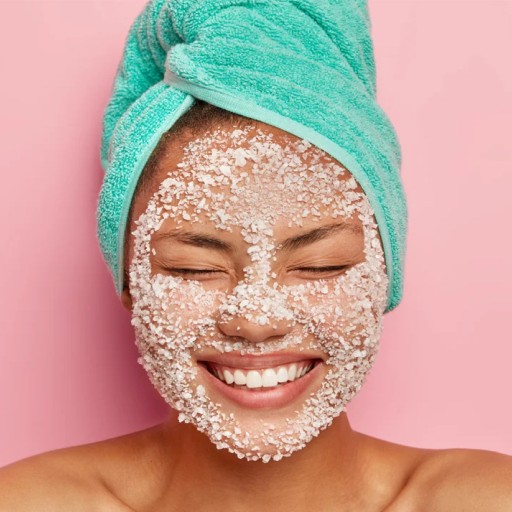
People with oily skin often have strong oil secretion, which can easily lead to clogged pores and the formation of acne. Exfoliation can help remove keratin cells and oil around pores, reduce pore blockage, and prevent acne and pimples. At the same time, exfoliation can also promote skin metabolism and make the skin healthier.
Active metabolism
Young people usually have a more active metabolism and skin cells are renewed faster. However, this may also cause the stratum corneum to accumulate too quickly, affecting the health of the skin. Therefore, young people can also perform exfoliation care appropriately to maintain the health and vitality of the skin.
Skin aging
With age, the metabolic capacity of the skin gradually weakens, and the stratum corneum is prone to accumulation to form wrinkles and spots. Exfoliation can help remove the aged stratum corneum, promote the renewal and regeneration of skin cells, and thus slow down the process of skin aging.
3. Which skin is not suitable for exfoliation?
Although exfoliation has many benefits for the skin, not all skin is suitable for exfoliation care. The following are some skin types that are not suitable for exfoliation:
Thin stratum corneum
Skin with a thin stratum corneum is usually more sensitive and easily stimulated by the outside world. This type of skin is not suitable for exfoliation care, because excessive exfoliation will further weaken the skin's barrier function, making the skin more sensitive and fragile.
Allergic constitution
People with allergic constitutions need to be extra careful when taking any skin care steps. Some ingredients in exfoliating products may trigger allergic reactions, leading to uncomfortable symptoms such as skin redness, swelling, and itching. Therefore, people with allergic constitutions are best to avoid exfoliation care.
Skin inflammation
When the skin is inflamed, such as eczema, dermatitis, etc., exfoliation care should be avoided. Because inflammation can cause damage to the skin's barrier function, excessive exfoliation can aggravate the symptoms of skin inflammation.
4. How to exfoliate correctly?
Choose the right exfoliating product
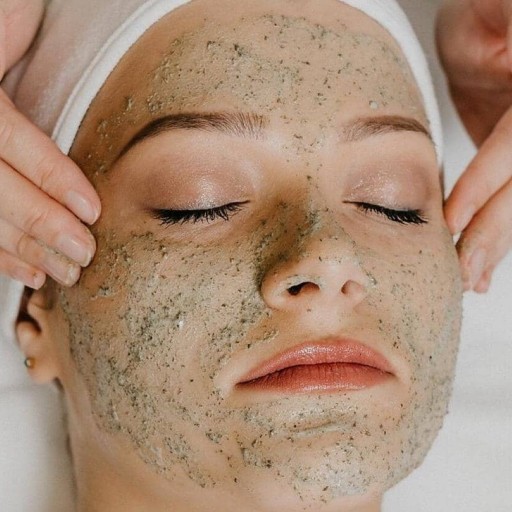
There are many types of exfoliating products, including scrubs, exfoliating facial cleansers, fruit acid peels, etc. When choosing an exfoliating product, you should choose according to your skin type and needs. Oily skin can choose exfoliating products with strong cleansing power, while neutral and dry skin should choose mild exfoliating products.
Master the correct exfoliation method
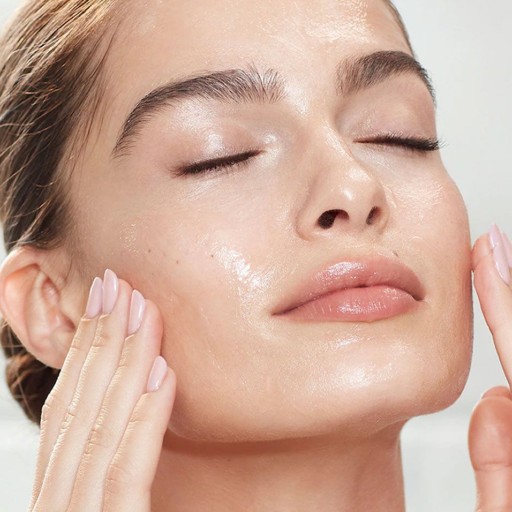
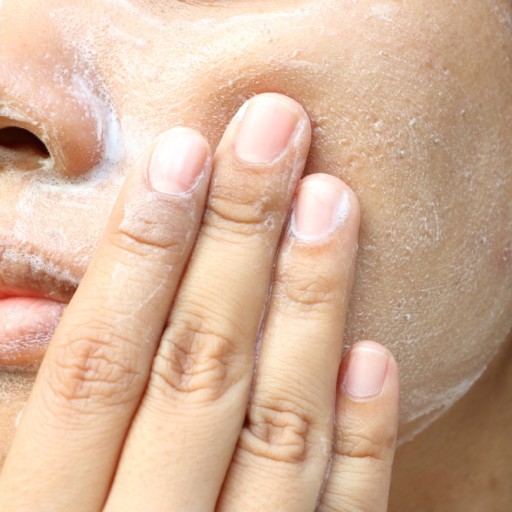
When exfoliating, you should clean your face first, then apply an appropriate amount of exfoliating product to your face, gently massage for 2-3 minutes, and then wash it off with clean water.
Note that the massage strength should be moderate to avoid excessive pulling of the skin to cause fine lines. At the same time, the frequency of exfoliation should not be too high, generally 1-2 times a week is enough.
Pay attention to subsequent skin care
After exfoliation, the skin will become more sensitive and dry, so subsequent skin care steps are required. You can apply moisturizing products such as lotion and cream to replenish moisture and nutrition for the skin. At the same time, pay attention to sun protection to avoid ultraviolet damage to the skin.
5. Precautions for exfoliation
Avoid excessive exfoliation
Excessive exfoliation will destroy the barrier function of the skin, causing skin sensitivity and fragility. Therefore, when exfoliating, you must master the appropriate frequency and strength to avoid excessive exfoliation.
Pay attention to skin condition
Exfoliation care should be avoided when the skin condition is more sensitive, such as changing seasons, before menstruation, fatigue, heavy taste diet, and after sun exposure. Because the skin is more susceptible to irritation and damage in these conditions.
Choose the right exfoliation method
In addition to using exfoliating products, you can also use other methods to perform exfoliation care, such as using a soft brush to gently scrub the skin, using skin care products containing fruit acid ingredients, etc. Choosing an exfoliation method that suits you can better protect your skin.
6. Summary
Exfoliation is one of the important steps in skin care, and it has a significant effect on improving dull skin, rough skin, excessive oil secretion and other problems. However, not all skin is suitable for exfoliation care.
When choosing whether to perform exfoliation care, you should judge according to your skin type and needs. At the same time, you must master the correct methods and precautions during the exfoliation process to avoid unnecessary damage to the skin.
Through scientific and reasonable exfoliation care, we can make the skin healthier, smoother and more delicate.
In daily life, in addition to exfoliation care, you should also pay attention to maintaining good living habits and eating habits. Drinking more water, eating more vitamin-rich foods and vegetables, getting enough sleep and proper exercise can all help improve skin condition.
At the same time, you should also avoid being outdoors for a long time and avoid using overly irritating skin care products to avoid damaging the skin. Only by taking various factors into consideration can we keep our skin healthy and beautiful.
 1
1 1
1OTHER NEWS
-
- Is the smell of mowing the grass a distress signal from plants?
- By LH 21 Feb,2025

-
- Do you know these secrets of plants?
- By LH 18 Feb,2025

-
- Here’s a complete guide on what you should prepare before planting your seeds.
- By Prodosh Kundu 18 Jul,2024
-
- Have you ever seen a magical plant that can grow by drinking air?
- By LH 14 Mar,2025
-
- Sustainable Gardening Starts With Organic Supplies
- By Prodosh Kundu 28 Oct,2024

-
- Growing For The Planet: How Sustainable Gardening Practices Can Help To Mitigate Climate Change
- By Prodosh Kundu 28 Oct,2024

-
- Spring is here! Give Your Garden a New Look with These Gardening Tips
- By MTH 20 Feb,2025

-
- Hydroponic plants, gardening tips
- By LH 02 Apr,2025

-
- How to Choose the Best Lawn and Landscaping Services for Your Home
- By Prodosh Kundu 28 Aug,2024

-
- The natural choice for indoor air purification five high-quality greenery recommendations
- By YL 14 Mar,2025

-
- Vigilance! Keeping these kinds of plants indoors may harm your health
- By ZYY 09 Apr,2025
-
- The Five Best Flowers for Newbies to Keep Alive
- By MTH 14 Mar,2025