Deciphering the truth about anti-sugar:Learn to fight against glycation in 1 minute
In the pursuit of beauty and health, "anti-glycation" has become a hot topic. But do you really understand anti-glycation? Why do we need to fight against glycation?
What are the harms of glycation to the skin? What are the misunderstandings about anti-glycation? This article will decipher them one by one for you, so that you can learn to fight against glycation in 1 minute.
Glycation reaction refers to the body's intake of excess sugar, which produces a series of complex biochemical reactions with proteins, nucleic acids, and lipids without the action of enzymes.
Why fight against glycation?
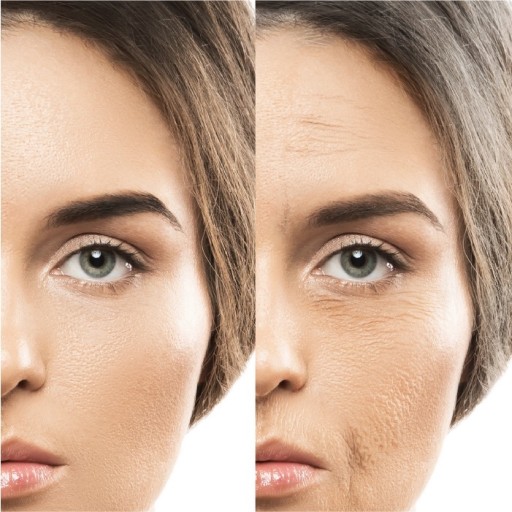
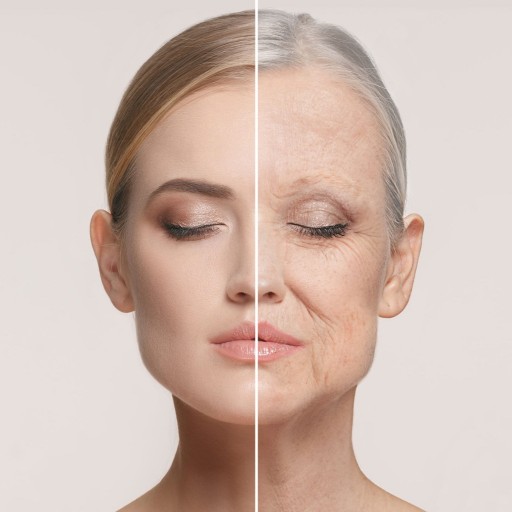
With age, the human body will continue to take in too much sugar, which will cause the body's metabolism to slow down, and then produce glycation reactions. Glycated collagen and elastin will lose their physiological functions and support for skin tissue, which will cause skin aging.
Anti-glycation is to prevent the skin's collagen and elastin from losing vitality, thereby delaying aging.
Harm of glycation to the skin
Wrinkle relaxation: AGES will cause collagen and elastin to lose their function, resulting in decreased skin elasticity, loose aging, and wrinkles.
Dark yellow spots: AGES induces the skin to produce free radicals, stimulates the production of melanin, and the saccharification of the dermis will cause the skin to oxidize and turn yellow and develop spots.
Enlarged pores: After saccharification, the skin secretes sebum vigorously, causing an imbalance of water and oil, blocking pores, resulting in enlarged pores, rough skin, and acne.
Damaged barrier: Saccharification can induce premature aging and changes in the stratum corneum of the human epidermis, directly damaging the barrier.

Four major misunderstandings of anti-saccharification
Misconception 1: Thinking that anti-sugar = quitting sugar
Sugar is part of "carbohydrates" and is one of the three major nutrients that our body cannot do without to provide us with energy. It is impossible not to take it at all. Anti-saccharification is not quitting sugar, but reasonable control of sugar intake.
Misconception 2: Eating less staple food can resist sugar
Staple food is an important source of energy for the body. Dieting may cause hypoglycemia and cause the body to over-secrete blood sugar hormones, causing liver glycogen to break down into glucose and inject it into the blood to replenish energy, which will promote blood sugar levels.
Myth 3: Vegetarianism can resist sugar
Long-term vegetarianism leads to nutritional imbalance, resulting in a lack of B vitamins, which in turn affects the body's metabolism of sugars and lipids and energy consumption. Moreover, if fat intake is lacking for a long time, the stomach and intestines will not feel full, leading to overeating.
Myth 4: You can't eat fruit
Thinking that all fruits have high sugar content will increase blood sugar. In fact, some fruits are also low in Gl, and fruits are rich in dietary fiber, minerals and other nutrients needed by the human body. Appropriate intake is good for the human body.
Resisting glycation-internal regulation
01. Balanced diet
Anti-glycation is to reduce excess sugar intake and delay aging. The premise is to ensure the daily necessities of the body. It is not a pure vegetarian, nor can it not eat staple foods or fruits, but to reduce the intake of refined carbon water and high-sugar foods.
02. Eat less high-GI foods
Controlling sugar is the first principle to resist glycation. It is not to quit sugar, but to reduce the sugar load.
High-GI staple foods: rice, noodles, cakes and bread.
High-GI vegetables: pumpkin, carrots, sweet potatoes, potatoes.
High GI fruits: watermelon, cantaloupe, durian, pomegranate.
03. Eat more low GI foods
You can eat anti-glycation foods according to your skin condition to help your skin prevent glycation.
Low GI staple foods: brown rice buckwheat noodles, whole wheat toast.
Low GI vegetables: cucumber, tomato, cabbage, winter melon.
Low GI fruits: apple, kiwi, kumquat, grapefruit.
Resist glycation-external care
Do a good job of sun protection
Ultraviolet radiation will accelerate skin glycation. Glycation and photoaging are an intersecting process. Do a good job of sun protection. No matter what season, physical sun protection is the priority, and then apply sunscreen
Lifestyle habits
Ensure regular work and rest and good living habits, try to stay up late less, drink more water, do anaerobic and aerobic exercise appropriately, and promote sugar metabolism after consuming glycogen
Anti-sugar skin care
During the glycation reaction, free radicals will also be involved. Antioxidation is to resist free radicals. According to your skin condition, choose the appropriate anti-glycation and antioxidant skin care products
 1
1 1
1OTHER NEWS
-
- Planting Tips: Best Indoor Plants Recommendations and Care Guide
- By MTH 18 Feb,2025

-
- What are the most ugly plants in the gardening world?
- By LH 09 Apr,2025

-
- Vigilance! Keeping these kinds of plants indoors may harm your health
- By ZYY 09 Apr,2025
-
- From planting to caring for flowers that bloom forever
- By MTH 10 Mar,2025

-
- Here’s a complete guide on what you should prepare before planting your seeds.
- By Prodosh Kundu 18 Jul,2024
-
- Growing For The Planet: How Sustainable Gardening Practices Can Help To Mitigate Climate Change
- By Prodosh Kundu 28 Oct,2024
-
- How Organic Gardening Supplies Can Transform Your Garden And The Environment?
- By Prodosh Kundu 28 Oct,2024

-
- 15 kinds of flowers suitable for summer
- By LH 31 Mar,2025

-
- How to Choose the Best Lawn and Landscaping Services for Your Home
- By Prodosh Kundu 28 Aug,2024

-
- The natural choice for indoor air purification five high-quality greenery recommendations
- By YL 14 Mar,2025

-
- How terrible are carnivorous plants?
- By LH 12 Mar,2025

-
- The Five Best Flowers for Newbies to Keep Alive
- By MTH 14 Mar,2025