The skin is most afraid of 4 kinds of food, eat right let you say goodbye to acne and dullness
Having glowing and radiant skin is the dream of many, but often we focus only on external skin care products, but ignore the important impact of diet on skin health. In fact, some foods can be the “culprits” of skin problems, while others are known as the “guardian angels” of the skin.
Today, let's take a deeper look at the 4 foods that skin is most afraid of, and how to say goodbye to acne and dullness through the right dietary choices.
1. High-sugar foods: sweet “skin killers”
High-sugar foods are ubiquitous in the modern diet, from candies and cakes to carbonated beverages, which are loved by the public for their tantalizing taste. However, these sweet temptations can bring serious harm to the skin.
When we consume large amounts of high-sugar foods, blood sugar rises rapidly and the body secretes large amounts of insulin in order to lower blood sugar levels. The increase in insulin will prompt the skin oil secretion, excessive oil clogging pores, it provides a breeding ground for acne.
Furthermore, a high-sugar environment accelerates glycation of the skin. Glycation is when glucose in the blood combines with proteins in the body to form advanced glycosylation end products (AGEs). These AGEs destroy collagen and elastin fibers in the skin, causing the skin to lose elasticity, become loose and dull, and wrinkles to gradually appear.
For example, people who often eat sweets may find that their skin becomes rough, pimples pop up frequently, and their complexion is not as bright as before, always looking a “yellowish”.
By indulging in high-sugar foods for a long period of time, your skin will age significantly faster, and you will experience problems such as sagging skin and wrinkles earlier than your peers.
To minimize the damage that high-sugar foods can do to our skin, we first need to learn to identify the high-sugar ingredients hidden in various foods. Things like sucrose, fructose, dextrose, and corn syrup are common high sugar additives.
When purchasing food, check the nutrition facts sheet carefully and try to choose low or no sugar products. For example, use fruits instead of candies as snacks, and choose low-sugar yogurt instead of fruit-flavored yogurt with lots of added sugar.
In addition, it is also critical to control the intake of carbohydrates. Refined grains such as white bread and white rice will be rapidly converted to glucose in the body.
Increasing the burden on blood sugar, and you can appropriately increase the proportion of intake of coarse grains such as oats, brown rice, and whole-wheat breads, which are rich in dietary fiber and have a slower rate of digestion and absorption, which can help to maintain stable blood sugar.

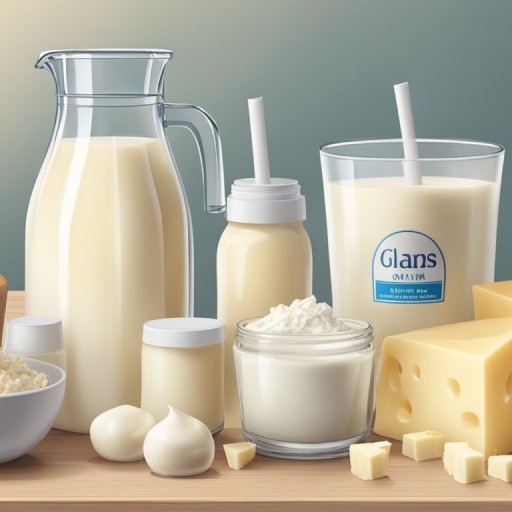
2. Dairy products: possible acne “triggering agent”
Dairy products are one of the important sources of nutrients in our daily diet, including milk, yogurt and cheese. However, for some people, dairy products may be closely associated with the development of acne.
Some ingredients in dairy products, such as insulin-like growth factor - 1 (IGF - 1) and whey protein, may stimulate sebaceous glands to produce more oil, which can lead to clogged pores and acne breakouts. Especially for those who are acne-prone themselves, reducing dairy intake may see significant skin improvement.
Many people who struggle with acne who try to reduce or stop drinking milk find that the frequency of acne flare-ups is significantly reduced and their skin condition gradually stabilizes. This is because the natural hormones and bioactive peptides in milk disrupt the body's endocrine system and affect the skin's normal metabolism.
However, this does not mean that dairy products should be completely discarded. You can opt for low-lactose or lactose-free products such as yogurt, especially those containing probiotics, which help regulate the balance of intestinal flora and have some indirect benefits for skin health.
In addition, fermented dairy products such as cheese, where some of the lactose has been broken down during the production process, may be relatively less irritating to the skin.
If you are concerned about acne, you can also try replacing cow's milk with plant-based milks (such as almond milk, soy milk, etc.), but be careful to choose products with no added sugar and make sure you get enough calcium and other nutrients from other foods.
3. Fried food: the “culprit” of greasy skin
Fried food is appetizing with its unique crispy texture, but its harmful effects on the skin should not be underestimated. Deep frying process, the food will absorb a lot of oil, these oil into the body will increase the lipid content of the blood, which in turn affects the skin's oil secretion.
When the skin oil secretion is too much, not only easy to cause acne, but also make the skin look greasy, lack of fresh feeling. Moreover, fried foods produce free radicals during the high temperature cooking process.
Free radicals are unstable molecules that attack skin cells, damaging cell membranes, DNA, etc., leading to oxidative damage to the skin, accelerating skin aging, and making the skin dull, lose its luster, and develop discoloration and other problems.
For example, people who often eat fried chicken and French fries tend to face skin troubles such as enlarged pores, increased blackheads and dull complexion. In addition, the nutritional value of fried foods is relatively low, and long-term consumption of large quantities may lead to nutritional imbalances in the body, further affecting the health of the skin.
In order to protect your skin, you should minimize the intake of fried foods. If it is really difficult to resist, you can occasionally choose some healthy frying methods, such as air fryer cooking, which can reduce the amount of fat used, but also pay attention to control the frequency of consumption.
Increase the intake of fresh fruits and vegetables, high-quality proteins and whole grains in your diet. These foods are rich in nutrients such as antioxidants, vitamins and minerals, which help to neutralize free radicals and maintain healthy skin.
For example, eat more broccoli, blueberries, salmon, oats and other foods, they can provide the skin with the necessary nutritional support, enhance the skin's antioxidant capacity, so that the skin from the inside out glow.

4. Spicy foods: the “double-edged sword” of skin stimulation
Spicy food has a place in many cuisines because of its unique flavor, but its effect on the skin is more complex and can be described as a “double-edged sword”.
Consuming spicy foods in moderation can improve blood circulation and give the skin a slight redness and a nice, healthy look. However, for some people with sensitive skin or those who have skin problems themselves, excessive consumption of spicy foods may have adverse consequences.
Ingredients such as capsaicin in spicy foods can stimulate blood vessel dilation in the skin, leading to redness and heat. If the skin's barrier function is weak, this irritation may also trigger an inflammatory response, aggravating skin problems such as acne and pimples, and may even lead to skin allergies.
For example, some people find that after eating a large amount of chili peppers, the next day they notice a few pimples popping up on their face, or their original pimples become more red and swollen.
Moreover, spicy food may also aggravate the dryness of the skin as it stimulates the sweat glands to secrete sweat, taking away the moisture from the surface of the skin and making it rough.
If you like to eat spicy food, you can control the amount of consumption appropriately to avoid overstimulating your skin.
At the same time, eat spicy while consuming more food rich in water and vitamins, such as cucumber, tomato, watermelon, etc., helps to relieve the stimulation of spicy food on the skin, to maintain the moisture balance of the skin.
In addition, paying attention to skin cleansing and moisturizing, and strengthening the repair of the skin barrier can also reduce the potential harmful effects of spicy foods on the skin.
The health of your skin depends on more than just external skincare; diet plays a vital role. Understanding the 4 foods that our skin fears the most and making the right dietary adjustments can help us get to the root of our skin condition, say goodbye to acne and dullness, and have healthier, more beautiful skin.
In your daily life, focus on eating a balanced and varied diet, consuming more skin-friendly foods such as fresh fruits and vegetables, high-quality proteins, and healthy fats, while reducing excessive intake of high-sugar, dairy products, fried foods, and spicy foods, so that our skin can find the perfect balance between food and beauty.
 1
1 1
1OTHER NEWS
-
- Sustainable Gardening Starts With Organic Supplies
- By Prodosh Kundu 28 Oct,2024

-
- From planting to caring for flowers that bloom forever
- By MTH 10 Mar,2025

-
- Spring is here! Give Your Garden a New Look with These Gardening Tips
- By MTH 20 Feb,2025

-
- Planting Tips: Best Indoor Plants Recommendations and Care Guide
- By MTH 18 Feb,2025

-
- How to Choose the Best Lawn and Landscaping Services for Your Home
- By Prodosh Kundu 28 Aug,2024

-
- Do you know these secrets of plants?
- By LH 18 Feb,2025

-
- How do you control pests and diseases in your garden
- By YL 12 Mar,2025

-
- What are the most ugly plants in the gardening world?
- By LH 09 Apr,2025

-
- Is the smell of mowing the grass a distress signal from plants?
- By LH 21 Feb,2025

-
- How Organic Gardening Supplies Can Transform Your Garden And The Environment?
- By Prodosh Kundu 28 Oct,2024

-
- The Five Best Flowers for Newbies to Keep Alive
- By MTH 14 Mar,2025

-
- How terrible are carnivorous plants?
- By LH 12 Mar,2025