Snowshoeing, Indoor Yoga - New Winter Exercise Options for Seniors
With the onset of winter, the cold weather has caused many seniors to cut back on outdoor activities, but keeping up with moderate exercise is vital to the health of seniors. In winter, snowshoeing and indoor yoga have become the new choice of exercise for seniors.
They not only help seniors to withstand the cold, but also enhance their physical fitness, prevent diseases, and keep them energized in winter.
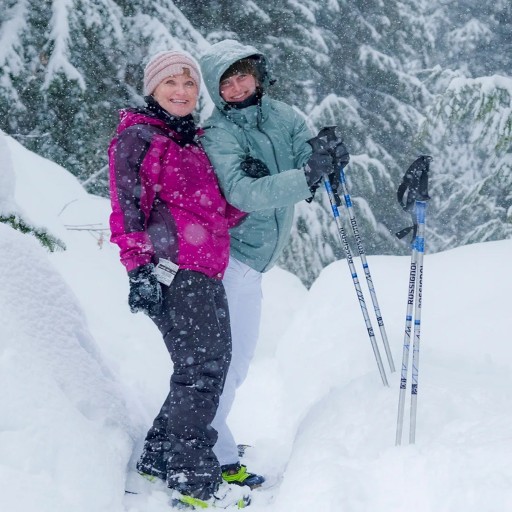
Snowshoeing: a different kind of winter experience
For seniors living in northern areas, snowshoeing is a unique winter sport. When white snowflakes cover the earth, the whole world seems to become pure and peaceful, and walking in such an environment has a special flavor.
Snowshoeing is a much more effective exercise than walking. Walking on snow requires overcoming a certain amount of resistance, which strengthens the leg muscles, including the quadriceps of the thigh and the gastrocnemius of the calf.
At the same time, the body needs to constantly adjust its balance during the walking process, which is beneficial for improving the balance and coordination of the elderly, and helps to prevent accidents caused by falls due to imbalance, which is often one of the major causes of winter injuries among the elderly.
When snowshoeing, safety should not be overlooked. First, choose the right shoes, preferably snow boots with good non-slip properties, to ensure that you don't slip and fall during your walk.
Secondly, pay attention to keep warm and wear thick cotton clothes, hats, gloves and scarves to avoid getting cold and flu. Walking route should also be planned in advance, try to choose flat, open and snow cleanup is relatively clean area, to avoid frequent vehicle traffic roads and slopes.
In addition, the elderly in the snow walking should not be too long, according to their own physical condition to moderately adjust the exercise intensity and time. Generally speaking, each time 20 - 30 minutes or so is appropriate, in the middle of the appropriate rest, to avoid excessive fatigue.
If you feel unwell during the walk, such as panic, shortness of breath, dizziness, etc., you should stop exercising immediately and seek help from others.
Indoor Yoga: Warmth and Tranquility in the Body and Mind Cultivation
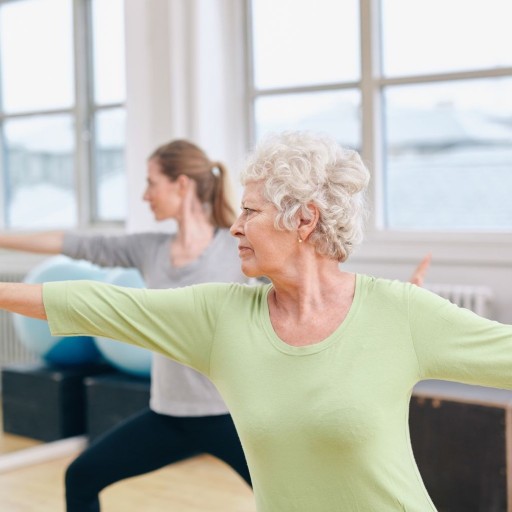
Indoor yoga is an excellent winter exercise option for seniors who are not accustomed to cold outdoor environments or who live in southern areas where snow is rare. Indoor yoga is not limited by weather or space, as long as there is a quiet, comfortable space, you can start practicing.
There are many different types of yoga poses, and for the physical characteristics of the elderly, you can choose some simpler and softer asanas, such as the Cat and Cow Pose, Downward Facing Dog Pose, Tree Pose, and Seated and Standing Forward Bend Pose.
These asanas can help the elderly stretch all parts of the body, enhance the flexibility of the joints, relieve muscle tension and stiffness.
For example, the cat and cow pose can relax the back muscles and improve the flexibility of the spine through the flexion and extension of the spine; the downward-facing dog pose can stretch the back of the legs and the back muscles; the tree pose can help to enhance the strength of the legs and the sense of balance.
And the seated forward-flexed pose has a good effect on the relaxation of the legs and the back muscles, and promotes the blood circulation of the body.
The environment for practicing indoor yoga is also very important. Keep the room at a comfortable temperature, usually between 22 - 25 degrees Celsius, to avoid muscle contractions or colds caused by low temperatures. At the same time, choose a quiet, well-ventilated room with a comfortable yoga mat so that the elderly can practice in a relaxed state.
Before indoor yoga practice, older adults should perform appropriate warm-up activities, such as rotating wrists and ankles, moving the waist and neck, etc., to reduce the risk of sports injuries.
During practice, pay attention to the coordination of breathing and movement, follow the principle of slow, smooth, deep and long breathing, and avoid holding the breath. The holding time of each asana can be adjusted according to one's physical condition, usually starting from 3 - 5 seconds and gradually increasing to 10 - 15 seconds.
In addition, when practicing indoor yoga, it is best to have a professional yoga instructor to guide the elderly or attend yoga classes specifically for the elderly.
The instructor will be able to provide personalized guidance and advice according to the physical condition and exercise ability of each elderly person to ensure the safety and effectiveness of the practice.
Precautions for Winter Exercise
Whether it's snowshoeing or indoor yoga, there are some basic precautions seniors need to follow when exercising in the winter.
First of all, it is important to warm up sufficiently before exercising, so that the body's joints, muscles and cardiovascular system can gradually adapt to the intensity of the upcoming exercise, and the warm-up time is usually no less than 5 - 10 minutes.
Secondly, one should choose the appropriate exercise intensity and time according to one's physical condition and avoid excessive exercise. If the elderly suffer from chronic diseases, such as high blood pressure, heart disease, diabetes, etc., it is best to consult a doctor before exercising to formulate an exercise program suitable for them.
During exercise, pay attention to replenish water. Although sweating is relatively low in winter, the body will still lose a certain amount of water through breathing and skin, so it is important to drink the right amount of water at the right time to maintain the body's water balance.
After exercise, do not take a bath immediately, especially a hot bath, you should rest for a few moments to allow the body to regain its composure before cleansing.
In addition, the sunshine time is shorter in winter, the elderly can appropriately increase the time of outdoor activities when the weather is sunny, sunbathing, to promote the synthesis of vitamin D, enhance the absorption of calcium, for the prevention of osteoporosis is also helpful.
In conclusion, snowshoeing and indoor yoga provide diversified exercise options for the elderly in winter. Through these exercises, the elderly can maintain their physical vitality and health in the cold season and enjoy the pleasure and happiness brought by exercise.
Let's encourage the elderly around us to actively participate in winter sports and spend a healthy and warm winter.
 1
1 1
1OTHER NEWS
-
- From planting to caring for flowers that bloom forever
- By MTH 10 Mar,2025
-
- Planting Tips: Best Indoor Plants Recommendations and Care Guide
- By MTH 18 Feb,2025

-
- How do you control pests and diseases in your garden
- By YL 12 Mar,2025
-
- Sustainable Gardening Starts With Organic Supplies
- By Prodosh Kundu 28 Oct,2024
-
- What are the most ugly plants in the gardening world?
- By LH 09 Apr,2025

-
- How Organic Gardening Supplies Can Transform Your Garden And The Environment?
- By Prodosh Kundu 28 Oct,2024
-
- The Five Best Flowers for Newbies to Keep Alive
- By MTH 14 Mar,2025

-
- How to Choose the Best Lawn and Landscaping Services for Your Home
- By Prodosh Kundu 28 Aug,2024

-
- Is the smell of mowing the grass a distress signal from plants?
- By LH 21 Feb,2025
-
- The natural choice for indoor air purification five high-quality greenery recommendations
- By YL 14 Mar,2025

-
- 15 kinds of flowers suitable for summer
- By LH 31 Mar,2025
-
- How terrible are carnivorous plants?
- By LH 12 Mar,2025