What to do if you have makeup allergies, food allergies, or seasonal allergies? Identify and respond quickly!
In life, the word "allergy" is no longer a strange word. Whether it is makeup allergies, food allergies, or the devastating seasonal allergies during the change of seasons every year, they are like invisible killers, making many people miserable.
Carefully selected cosmetics bring rashes, beautiful pollen during the change of seasons makes your nose runny, and a delicious meal makes you vomit and have diarrhea. Allergies not only catch people off guard, but can even be life-threatening in severe cases.
So, in the face of these difficult problems, how can we quickly identify and effectively respond? This article will start with three common types of allergies to provide you with a comprehensive and practical solution!
Makeup allergy: a beautiful trap
Cosmetics make us radiant and are also an indispensable existence in the daily lives of many people, but have you noticed that while you are pursuing perfect makeup, some substances in the ingredients may cause your skin to suffer a "devastating blow" and also bring a "sweet burden" to your skin?
Some ingredients in cosmetics are the main culprits of skin allergies. The following are common symptoms of makeup allergies and quick response methods:
1. How to identify allergy symptoms?
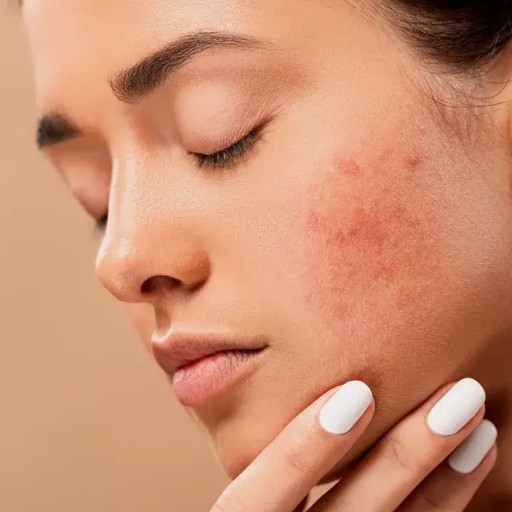
Local redness and swelling: The skin suddenly becomes red and swollen, accompanied by a stinging or burning sensation.
Small rash or blisters: Small red rashes or liquid bubbles appear at the application site.
Itchy or peeling skin: Dry skin or even peeling.
2. Quick response!
Immediately stop using the product: Stop using cosmetics that may cause allergies as soon as possible, and don't try it with luck.
Rinse with clean water: Gently rinse the allergic area with warm water and avoid using any cleaning products.
Ice compress relief: Apply an ice pack or cold towel to the allergic area to help reduce swelling and relieve itching.
Apply ointment: Choose an ointment containing hydrocortisone or antihistamine ingredients, but it is best to consult a dermatologist before use.
3. How to prevent makeup allergies?
Choose mild products: Give priority to products with simple ingredients, no fragrance, and no irritation.
Allergy test: Before changing to new cosmetics, you can apply a small amount behind the ear or wrist and observe for 24 hours to see if there is any reaction.
Pay attention to the shelf life: expired cosmetics are prone to cause allergies. Do not use stale products for cheap.
Tips: Skin health is more important than makeup. Learn to listen to the skin's demands and do not blindly follow the trend.
Food allergies: Dangers on the tip of the tongue, how to avoid them?
For people who love food, food allergies are undoubtedly a "nightmare". A bite of tempting cake, a glass of smooth milk, and a delicious seafood meal may hide allergy risks and inadvertently trigger the body's "alarm". Especially for people with sensitive constitutions, they need to be more vigilant.
1. What are the common symptoms of food allergies?
Itching in the mouth and throat: especially when eating nuts, seafood or certain fruits.
Nausea, vomiting or diarrhea: The digestive tract reacts quickly and may cause severe discomfort.
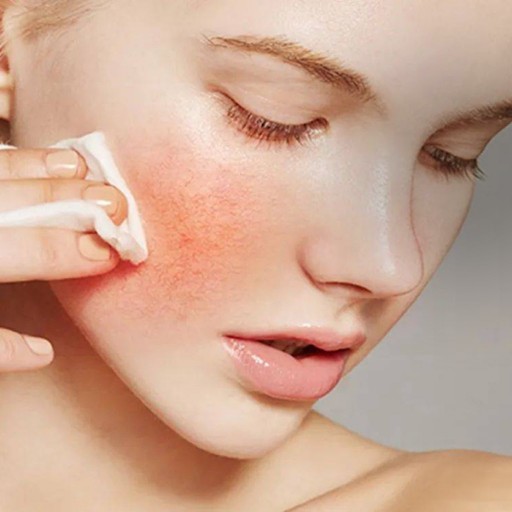
Skin redness or urticaria: The external manifestations of food allergies are often dominated by skin problems.
Difficulty breathing: Severe allergic reactions may cause swelling of the throat and endanger life.
2. How to deal with it quickly?
Stop eating immediately: Stop eating immediately after noticing discomfort to avoid worsening symptoms.
Taking antihistamines: such as loratadine, diphenhydramine, etc., can quickly relieve symptoms.
Drink warm water to dilute allergens: Drinking a small amount of warm water can help reduce the concentration of allergens in the body.
Seek medical treatment: If you have difficulty breathing or shock, you need to call the emergency number immediately and use the epinephrine syringe you carry with you (if any).
3. How to prevent food allergies?
Check the label carefully: When buying food, be sure to check the ingredient label carefully to avoid contact with known allergens.
Order carefully when going out: Inform the waiter of your allergies in advance when dining out.
Make a "safe recipe": record the food you can eat and the food you need to avoid, and provide a reference for healthy eating.
Tips: While enjoying delicious food, remember to protect your body's health.
Seasonal allergies: "curse" in the air
When the seasons change, there are always some people who become "addicted to sneezing" and even have a stuffy nose and tears all day long.
Or because pollen, dust and humidity fluctuations in the air can make people with sensitive constitutions "painful". This phenomenon is mostly caused by seasonal allergies, also known as allergic rhinitis.
1. Signs of seasonal allergies?
Nasal congestion and runny nose: Symptoms like a cold, but without fever or other signs of infection.
Itchy or tearful eyes: The eye mucosa is particularly sensitive to allergens in the air.
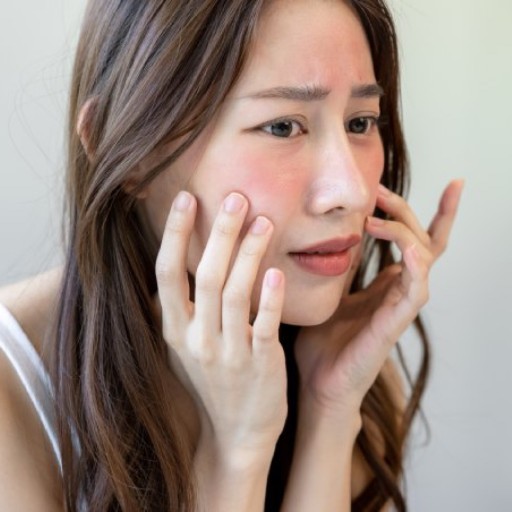
Dry or swollen skin: The skin barrier is more easily damaged when the seasons change.
2. Allergy triggers
Pollen: Plant pollen in spring and autumn is the main allergen.
Dust mites: Microorganisms hidden in indoor dust can easily cause respiratory discomfort.
Temperature difference stimulation: The temperature difference between morning and evening is large, and allergies are more likely to occur when the body's adaptability is poor.
3. A good way to deal with seasonal allergies!
Wear a mask: Wear a professional protective mask (such as N95) when going out to prevent pollen or dust mites from entering the respiratory tract.
Regular cleaning: Clean the room frequently, clean the air conditioner filter, and keep the air flowing.
Drink more water and take vitamin C supplements: Adequate water and vitamin C can enhance immunity and help fight allergic symptoms.
Anti-allergic drugs: Antihistamines such as loratadine or cetirizine can effectively relieve discomfort.
4. Lifestyle habits to prevent seasonal allergies
Adjust your diet: Eat more anti-inflammatory foods, such as deep-sea fish, nuts and green vegetables.
Keep exercising: Strengthen your physical fitness and improve your body's ability to adapt to environmental changes.
Avoid the peak period of allergens: Understand the local pollen high season and try to reduce going out during this period.
Summary: Know yourself and the enemy, and defeat allergies!
Whether it is makeup allergies, food allergies, or seasonal allergies, timely identification and response are the key. Clearly understand the symptoms of allergies, learn emergency treatment, and establish a sense of prevention, so that you can really stay away from the troubles of allergies.
From now on, pay attention to allergy problems and integrate the above coping strategies into your lifestyle. Let allergies no longer be a stumbling block, but a small test on your health road!
 1
 1
OTHER NEWS
-
- What are the most ugly plants in the gardening world?
- By LH 09 Apr,2025

-
- The natural choice for indoor air purification five high-quality greenery recommendations
- By YL 14 Mar,2025

-
- How terrible are carnivorous plants?
- By LH 12 Mar,2025

-
- Is the smell of mowing the grass a distress signal from plants?
- By LH 21 Feb,2025

-
- Have you ever seen a magical plant that can grow by drinking air?
- By LH 14 Mar,2025

-
- How to Choose the Best Lawn and Landscaping Services for Your Home
- By Prodosh Kundu 28 Aug,2024

-
- 15 kinds of flowers suitable for summer
- By LH 31 Mar,2025

-
- Hydroponic plants, gardening tips
- By LH 02 Apr,2025
-
- From planting to caring for flowers that bloom forever
- By MTH 10 Mar,2025

-
- Do you know these secrets of plants?
- By LH 18 Feb,2025

-
- Vigilance! Keeping these kinds of plants indoors may harm your health
- By ZYY 09 Apr,2025
-
- Growing For The Planet: How Sustainable Gardening Practices Can Help To Mitigate Climate Change
- By Prodosh Kundu 28 Oct,2024