What to do if your skin is dry and flaky
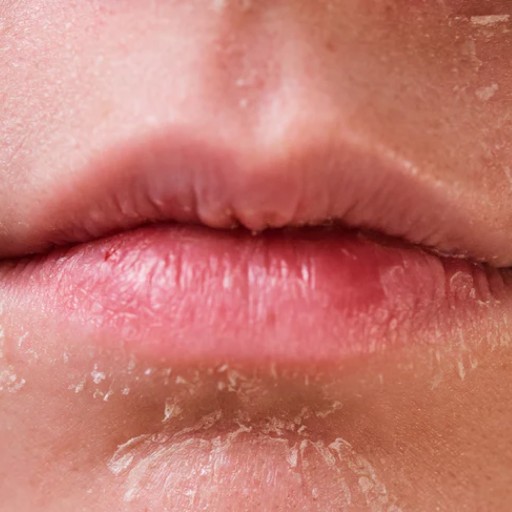
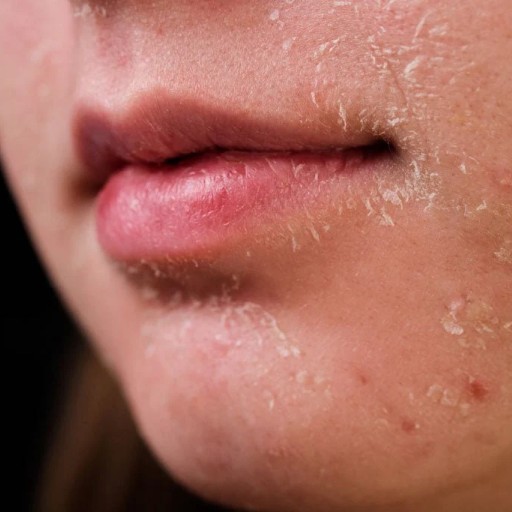
Dry and flaky skin is a common skin problem. It may be caused by a variety of factors. It not only affects the appearance of the skin, but may also be accompanied by discomfort, such as itching, tightness, etc. Understanding its causes and taking effective countermeasures is essential to improve skin conditions.
1. Causes of dry and flaky skin
Environmental factors
Dry climate is an important external factor that causes dry and flaky skin. In dry seasons, such as autumn and winter, the humidity in the air is low. Humidity refers to the content of water vapor in the air. When the humidity decreases, the moisture on the surface of the skin is more likely to evaporate into the air.
According to skin physiology research, the moisture content of the skin is closely related to the humidity of the external environment. For example, in an environment with a humidity of less than 40%, the rate of moisture loss in the stratum corneum of the skin will be significantly accelerated, resulting in dry and flaky skin.
Being in an air-conditioned environment for a long time will also have adverse effects on the skin. The air conditioner will reduce the humidity of the indoor air during cooling or heating, and the wind blown out by the air conditioner will take away the moisture on the surface of the skin.
Especially in an office environment, people are in an air-conditioned room for a long time, and the skin is exposed to this dry air for a long time, which is easy to become dry and rough.
Lifestyle habits
Over-cleansing the skin is a mistake that many people make easily. Using strong cleaning products, such as facial cleansers with a lot of soap-based ingredients or taking too frequent baths, will damage the sebum membrane on the surface of the skin.
The sebum membrane is the natural protective barrier of the skin, which is composed of oil secreted by sebaceous glands, sweat secreted by sweat glands, and lipids produced by the disintegration of keratinocytes on the surface of the skin.
Once the sebum membrane is damaged, the moisture of the skin is more likely to be lost, resulting in dryness and flaking.
Insufficient water intake can also affect the moisture content of the skin. The water intake of the human body is essential to maintain the normal function of various organs in the body, and the skin is no exception.
When the body is dehydrated, the metabolism of skin cells will be affected, the elasticity and luster of the skin will decrease, and then become dry. From a physiological point of view, water plays a role in transporting nutrients and metabolic waste in skin cells. If there is insufficient water, the normal function of cells will be difficult to maintain.
Age and physiological factors
With age, the function of the sebaceous glands and sweat glands of the skin will gradually decline. The sebaceous glands secrete less oil, and the sweat glands secrete less sweat, which reduces the skin's ability to moisturize. The skin of the elderly is usually drier than that of the young for this reason.
Certain diseases may also cause dry and flaky skin. For example, hypothyroidism, a disease that affects the body's metabolic rate. Thyroid hormones play an important role in regulating the skin's oil secretion, cell metabolism, etc. When the thyroid function is hypo, the skin's metabolism slows down, and symptoms such as dry, rough, and flaky skin may appear.
Dietary factors
A lack of essential fatty acids can have adverse effects on skin health. Essential fatty acids, such as omega-3 fatty acids and omega-6 fatty acids, are nutrients necessary to maintain the integrity and normal function of skin cell membranes.
They can help the skin retain moisture and enhance the skin's barrier function. If these fatty acids are lacking in the diet, the skin is prone to dryness and flaking. Foods rich in essential fatty acids include deep-sea fish, nuts, etc.
The lack of vitamins such as vitamins A, C, and E is also related to dry skin. Vitamin A is important for the normal differentiation and growth of skin cells. Lack of vitamin A can cause abnormal keratinization of the skin, making the skin dry and rough.
Vitamin C is an antioxidant that helps promote the synthesis of collagen and maintain skin elasticity. When it is lacking, the skin's repair ability decreases. Vitamin E can protect the skin from free radical damage, and lack of vitamin E will also affect the health of the skin.
2. How to improve dry and flaky skin
Adjust your lifestyle
First, pay attention to moderate skin cleansing. For people with dry skin, you should choose a mild cleaning product, such as an amino acid facial cleanser. The pH value of amino acid facial cleanser is close to the pH value of the skin and is less irritating to the skin.
When taking a bath, avoid using overheated water, because hot water will further damage the sebum membrane of the skin. It is recommended to use warm water for bathing, and the bathing time should not be too long, just control it to about 10-15 minutes.
Increasing water intake is an important measure to improve dry skin. Sufficient water intake should be ensured every day. It is generally recommended to drink 1500-2000 ml of water every day. In addition to boiled water, you can also drink some herbal teas in moderation, such as rose tea, chrysanthemum tea, etc.
These teas can not only replenish water, but also have certain health benefits. In addition, eating more fruits and vegetables rich in water, such as watermelon, cucumber, tomato, etc., can also help increase the moisture content of the skin.
It is also very important to maintain a suitable humidity indoors. You can use a humidifier to increase the humidity of the indoor air. In dry seasons or when you are in an air-conditioned room for a long time, it is more appropriate to keep the indoor humidity within the range of 40% - 60%.
An environment with appropriate humidity helps reduce the loss of skin moisture and keeps the skin moisturized.
Skin care
Moisturizing is the key to improving dry and flaky skin. Choose moisturizing products that suit your skin type. For dry skin, moisturizing products containing ingredients such as hyaluronic acid, glycerin, and ceramide are good choices.
Hyaluronic acid has strong water absorption and can absorb hundreds of times its own weight of water to replenish moisture for the skin. Glycerin can form a protective film on the surface of the skin to prevent the loss of skin moisture. Ceramide can repair the barrier function of the skin and enhance the skin's moisturizing ability.
Regular exfoliation can also help improve the condition of dry and flaky skin, but pay attention to the frequency of exfoliation. For dry skin, exfoliation should not be too frequent, generally once every 2-3 weeks.
Exfoliation can remove aging keratin cells accumulated on the surface of the skin, allowing the skin to better absorb moisturizing products. But if you exfoliate too frequently, it will damage the skin's barrier function and aggravate dry skin.

Dietary adjustment
Increase the intake of foods rich in essential fatty acids. You can eat deep-sea fish 2-3 times a week, such as salmon, cod, etc. These fish are rich in omega-3 fatty acids. At the same time, eat a handful of nuts every day, such as almonds, almonds, etc., which are rich in omega-6 fatty acids.
This can provide the skin with enough essential fatty acids, maintain the integrity of the skin cell membrane, and enhance the skin's moisturizing function.
Ensure the intake of vitamins. Eat more foods rich in vitamin A, such as carrots, animal livers, etc. Carrots are rich in beta-carotene, which can be converted into vitamin A in the body. Animal liver is also a good source of vitamin A, but be careful to eat it in moderation because animal livers have a high cholesterol content.
Foods rich in vitamin C include oranges, lemons, strawberries, etc., and vitamin E is found in nuts, vegetable oils and other foods. Through reasonable dietary adjustments, providing the skin with sufficient nutrients can help improve the condition of dry and flaky skin.
Dealing with special situations
If the dry and flaky skin is caused by a disease, such as hypothyroidism, you should seek medical attention in time and receive treatment under the guidance of a doctor. Hypothyroidism usually requires taking thyroid hormone replacement drugs to regulate thyroid function. As thyroid function recovers, the symptoms of dry skin will gradually improve.
Avoid scratching when the dry and flaky skin is accompanied by itching. Scratching will further damage the skin's barrier function and may cause skin infection. You can use cold compresses to relieve itching, such as gently applying a cold towel or ice pack to the itchy area for 10-15 minutes each time.
Dry and flaky skin is a problem that requires a comprehensive response. By adjusting lifestyle habits, taking skin care, adjusting diet, and seeking medical attention in time when necessary, you can effectively improve the condition of dry and flaky skin and restore the skin to a healthy and hydrated state.
 1
 1
OTHER NEWS
-
- What are the most ugly plants in the gardening world?
- By LH 09 Apr,2025

-
- The natural choice for indoor air purification five high-quality greenery recommendations
- By YL 14 Mar,2025

-
- How terrible are carnivorous plants?
- By LH 12 Mar,2025

-
- Is the smell of mowing the grass a distress signal from plants?
- By LH 21 Feb,2025

-
- Have you ever seen a magical plant that can grow by drinking air?
- By LH 14 Mar,2025

-
- How to Choose the Best Lawn and Landscaping Services for Your Home
- By Prodosh Kundu 28 Aug,2024

-
- 15 kinds of flowers suitable for summer
- By LH 31 Mar,2025

-
- Hydroponic plants, gardening tips
- By LH 02 Apr,2025

-
- From planting to caring for flowers that bloom forever
- By MTH 10 Mar,2025

-
- Do you know these secrets of plants?
- By LH 18 Feb,2025

-
- Vigilance! Keeping these kinds of plants indoors may harm your health
- By ZYY 09 Apr,2025

-
- Growing For The Planet: How Sustainable Gardening Practices Can Help To Mitigate Climate Change
- By Prodosh Kundu 28 Oct,2024