Recipes for Longevity: Dietary Solutions to Keep Seniors Safe from Diabetes and Heart Disease
In today's aging society, the health of the elderly is of great concern. Diabetes and heart disease, as two major “killers” threatening the health of the elderly, seriously affect their quality of life. And a reasonable diet program is one of the key factors in preventing and controlling these two diseases.
By adjusting the dietary structure and choosing appropriate foods, the elderly can reduce the risk of disease and move towards the road to a long and healthy life.
Selection of Ingredients
Whole grains: Whole grains are rich in dietary fiber, B vitamins, minerals and a variety of antioxidants. Oats, for example, are rich in β-glucan, a dietary fiber that slows the digestion and absorption of carbohydrates and helps stabilize blood sugar levels.
Meanwhile, the unsaturated fatty acids in oats help lower cholesterol, which is good for heart health. Whole grains like whole wheat bread, brown rice, and whole wheat pasta should be an important part of the staple diet for seniors.
Vegetables: Vegetables of various colors provide a wealth of nutrients for seniors. Dark green vegetables such as spinach and broccoli are rich in vitamin C, vitamin K, folic acid and lutein. Vitamin C is an antioxidant that protects the endothelial cells of blood vessels.
Vitamin K helps with calcium absorption and bone health; and folic acid is essential for lowering homocysteine levels, which can increase the risk of heart disease. Orange vegetables, such as carrots and squash, are rich in carotenoids, which can be converted into vitamin A, which is good for eye health and also has antioxidant properties.
In addition, onions, garlic and other vegetables contain special compounds that have antibacterial and anti-inflammatory properties and lower cholesterol and blood pressure.
Fruits: Fruits are rich in vitamins, minerals and dietary fiber. Apples contain pectin, a soluble dietary fiber that reduces cholesterol absorption and regulates blood sugar. Blueberries are a “leader” in antioxidants, containing antioxidants such as anthocyanins that help protect the cardiovascular system and reduce the risk of heart disease.
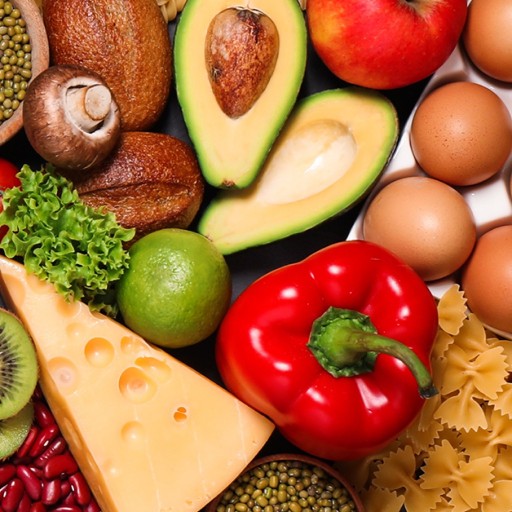
Bananas are rich in potassium, which promotes the elimination of sodium and helps maintain normal blood pressure. However, it should be noted that although the fruit is good, it should not be consumed in excess, especially for diabetic patients, according to the blood sugar situation to choose the right fruit, and control the amount of food.
High-quality protein: Fish is a good source of high-quality protein, especially deep-sea fish rich in Omega-3 fatty acids, such as salmon, cod, etc. Omega-3 fatty acids help lower blood lipids, reduce inflammation, and have a significant effect on the prevention of heart disease and diabetes complications.
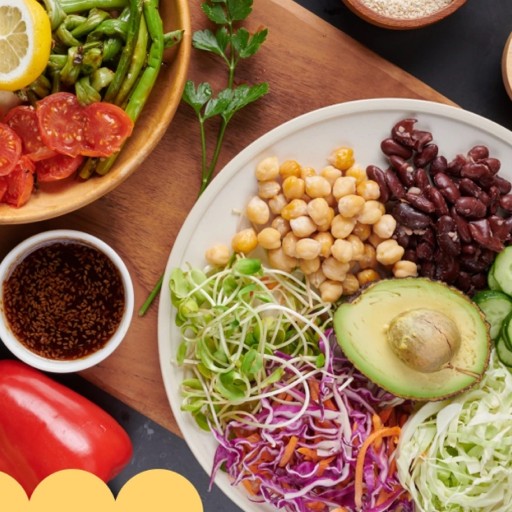
In addition, beans such as black beans, red beans, green beans, etc., rich in plant protein, dietary fiber and a variety of vitamins, is low-fat, low-cholesterol quality ingredients. Beans also contain isoflavones, which have estrogen-like effects and are beneficial to women's health.
Eggs are also an important source of high-quality protein. An egg contains almost all the nutrients the human body needs, and moderate consumption is not harmful to the health of the elderly.
Healthy Fats: Olive oil is a healthy fat rich in monounsaturated fatty acids, which helps lower cholesterol levels and prevent cardiovascular disease. Nuts such as almonds, walnuts, and batanas are rich in unsaturated fatty acids, protein, vitamin E, and minerals.
Vitamin E is a powerful antioxidant that protects cells from free radical damage. However, nuts are high in calories, so be careful to control the amount when consuming them.
Recipe examples
Breakfast
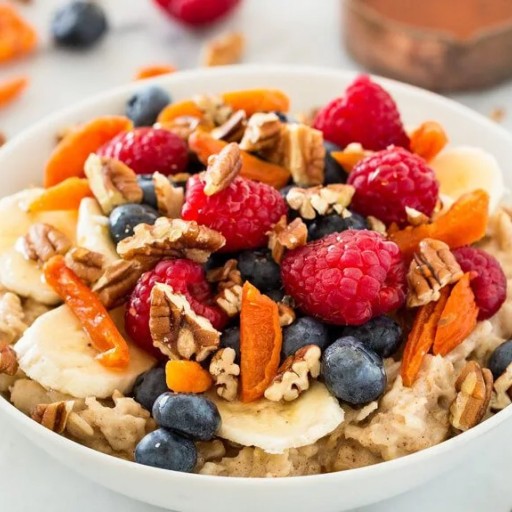
Oatmeal and Fruit Porridge: Cook oatmeal into porridge with milk or water and add chopped apples, blueberries and other fruits. Oats provide dietary fiber and carbohydrates, fruits increase the intake of vitamins and antioxidants, while milk supplements protein and calcium.
Whole wheat bread with fried egg and lettuce: Choose whole wheat bread, fry an egg and sandwich it with lettuce leaves. Whole wheat bread is rich in dietary fiber, the egg provides high quality protein, and the lettuce adds vitamins and dietary fiber.
A cup of low-fat yogurt: Yogurt is rich in probiotics, which help regulate intestinal flora and promote digestion and absorption. Choose low-fat yogurt to reduce fat intake.
Lunch
Steamed fish: Choose deep-sea fish such as salmon and sea bass, and the cooking method of steaming can maximize the retention of the nutrients in the fish. Fish is rich in high quality protein and Omega-3 fatty acids, which are good for heart and brain health.
Stir-fry vegetables: Choose spinach, broccoli, carrots and other vegetables to stir-fry. Vegetables are rich in vitamins, minerals and dietary fiber.
Brown rice or whole-wheat noodles: Brown rice and whole-wheat noodles are whole grains that are rich in dietary fiber and are digested and absorbed relatively slowly, helping to stabilize blood sugar.
Vegetable and tofu soup: Tofu is rich in vegetable protein, and cooking soup with vegetables is nutritious and easy to digest.
Dinner
Tomato Chicken Meatball Soup: Chicken is made into meatballs and cooked with tomatoes in soup. Chicken is a good source of protein and tomatoes are rich in vitamin C and lycopene, which have antioxidant properties.
Cold vegetable salad: Choose lettuce, cucumber, purple kale and other vegetables, add a little olive oil and vinegar and mix well. Vegetable salad is rich in dietary fiber, which helps promote intestinal peristalsis.
Sweet potatoes or corn: sweet potatoes and corn are rich in dietary fiber grains, can be used as a dinner staple to provide a sense of satiety, while stabilizing blood sugar.
Dietary Considerations
Control total calories: According to the physical condition and activity level of the elderly, reasonably control the total daily calorie intake. Avoid over-eating and maintain an appropriate body weight to help reduce the risk of diabetes and heart disease.
Eat smaller and more frequent meals: Elderly people have weaker digestive functions, so eating smaller and more frequent meals can help reduce the burden on the stomach and intestines, and at the same time avoid excessive fluctuations in blood glucose caused by eating too much at one time.
Limit salt and sugar intake: A diet high in salt can lead to higher blood pressure and increase the risk of heart disease. Older people should reduce salt intake to no more than 5 grams per day. At the same time, they should strictly control the intake of sugar and eat less candies, pastries and other high-sugar foods to prevent diabetes.
Reasonable water intake: Ensure adequate water intake every day to help metabolism and blood circulation. However, be careful not to drink a lot of water before meals, so as not to affect appetite and digestion.
Eat regularly: Eat regular meals and develop good eating habits. Avoid eating dinner too late or too full, so as not to affect sleep and blood sugar control.
By following the above longevity recipes, seniors are able to consume balanced nutrition and reduce the risk of diabetes and heart disease. Of course, dietary adjustments are only part of a healthy lifestyle; moderate exercise, maintaining a good state of mind and getting enough sleep are equally important.
Let's start with diet to protect the health of the elderly, so that they can stay away from diseases and enjoy a happy life in their twilight years.
 1
 1
OTHER NEWS
-
- The natural choice for indoor air purification five high-quality greenery recommendations
- By YL 14 Mar,2025

-
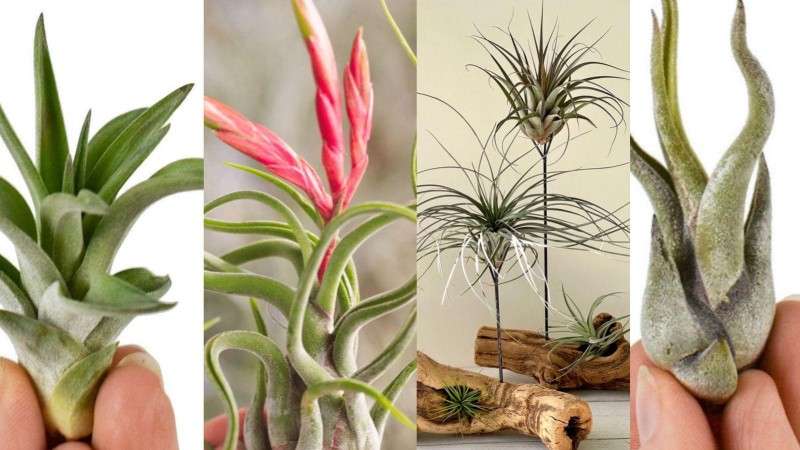
- Have you ever seen a magical plant that can grow by drinking air?
- By LH 14 Mar,2025
-
- How Organic Gardening Supplies Can Transform Your Garden And The Environment?
- By Prodosh Kundu 28 Oct,2024
-
- Spring is here! Give Your Garden a New Look with These Gardening Tips
- By MTH 20 Feb,2025

-
- From planting to caring for flowers that bloom forever
- By MTH 10 Mar,2025

-
- How do you control pests and diseases in your garden
- By YL 12 Mar,2025

-
- How terrible are carnivorous plants?
- By LH 12 Mar,2025

-
- Growing For The Planet: How Sustainable Gardening Practices Can Help To Mitigate Climate Change
- By Prodosh Kundu 28 Oct,2024
-
- Sustainable Gardening Starts With Organic Supplies
- By Prodosh Kundu 28 Oct,2024

-
- Do you know these secrets of plants?
- By LH 18 Feb,2025

-
- Vigilance! Keeping these kinds of plants indoors may harm your health
- By ZYY 09 Apr,2025
-
- 15 kinds of flowers suitable for summer
- By LH 31 Mar,2025