This vitamin can prevent you from becoming "greasy"
Are you still prone to acne after puberty? Faced with such "greasy" performance, folic acid (vitamin B9) may be your savior. Folic acid can not only effectively improve the occurrence of acne, but also promote the production of red blood cells, accelerate the renewal of skin cells, thereby keeping the skin fresh and healthy, and at the same time, it also helps prevent pernicious anemia.
However, it is worth noting that B vitamins are water-soluble vitamins, which means that they are easily excreted from the body with urine and sweat, so the human body needs to replenish them daily. In addition, B vitamins are also easily damaged during the storage and processing of food, which further emphasizes the importance of daily supplementation.
In addition to folic acid, other B vitamins also play an indispensable role in our health. Vitamin B1 (thiamine) participates in the sugar metabolism process, provides energy for the body, and maintains the normal functioning of the nervous system.
Vitamin B2 (riboflavin) can promote cell regeneration, help fat metabolism, prevent oral ulcers, and keep your oral health worry-free. Niacin (nicotinic acid) not only helps maintain the health of the digestive system, but also stabilizes emotions, protects the cardiovascular system, and reduces the risk of cardiovascular disease.
Pantothenic acid (vitamin B5) plays a role in relieving stress in the human body and is particularly important for modern people.
Vitamin B6 (pyridoxine) is particularly friendly to women. It can effectively relieve menstrual pain, stabilize emotions, and keep you in a good mood even on special days. Biotin (vitamin H) is the key to maintaining healthy hair, smooth and delicate skin, and metabolizing excess body fat.
Finally, vitamin B12 (cobalamin) is essential for the production of protein in the body and is an indispensable nutrient for maintaining the health of the nervous system and red blood cells.
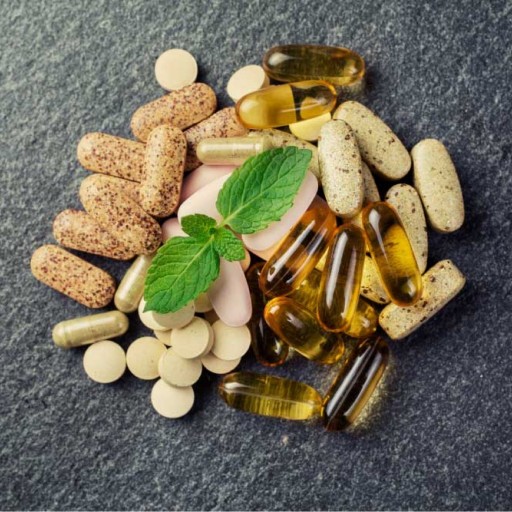
Symptoms of B vitamin deficiency
When the human body lacks B vitamins, a series of symptoms will occur. Vitamin B1 deficiency may cause damage to the nervous system, manifested as fatigue, muscle weakness, loss of appetite and emotional instability. Insufficient vitamin B2 may cause problems such as stomatitis, dermatitis and eye fatigue.
Niacin deficiency may cause rough skin, indigestion and emotional disorders. Pantothenic acid deficiency may cause fatigue, insomnia and muscle cramps.
Vitamin B6 deficiency may cause anemia, nervous system dysfunction and skin problems. When biotin is deficient, hair becomes brittle and brittle, and skin may become dry and flaky.
Vitamin B12 deficiency may cause megaloblastic anemia, neurological diseases, and even cognitive decline and depression in severe cases. Therefore, maintaining adequate intake of B vitamins is essential for maintaining good health.
Which foods are rich in B vitamins
Fortunately, many daily foods are rich in B vitamins, and we can easily obtain these nutrients through a reasonable diet. Folic acid is mainly found in green leafy vegetables, nuts, beans and animal liver. Vitamin B1 is found in large quantities in whole grains, beans, nuts and pork. Vitamin B2 is more common in milk, eggs, green leafy vegetables and yeast.
Niacin is widely found in meat, fish, whole grains and nuts. Pantothenic acid is found in almost all foods, especially liver, kidneys, eggs and milk. Foods rich in vitamin B6 include bananas, potatoes, chicken and fish.
Biotin is mainly found in egg yolks, liver, nuts and yeast. Vitamin B12 is mainly derived from meat, fish and dairy products. For vegetarians, special attention should be paid to obtaining enough vitamin B12 through supplements.
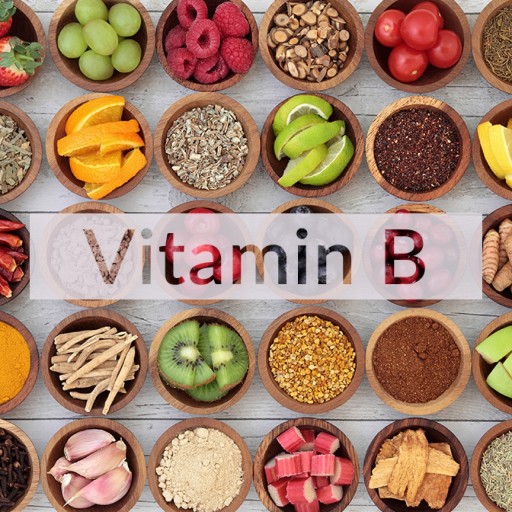
How to supplement if you don't get enough intake
Although many foods contain B vitamins, modern people's eating habits often make it difficult to ensure adequate daily intake of these nutrients. If you find that you have symptoms of B vitamin deficiency or are worried that your diet cannot meet your needs, supplements may be a good choice.
When choosing a supplement, it is recommended to consult a doctor or nutritionist to ensure that the dosage is appropriate and avoid excessive intake.
In addition to supplements, you can also increase your intake of B vitamins by adjusting your eating habits. For example, increase the intake of whole grains and reduce the consumption of refined grains; eat more green leafy vegetables and nuts.
Eat meat and fish in moderation, especially red meat and seafood, which are rich in multiple B vitamins. In addition, you can also consider taking a multivitamin B tablet to ensure that you take in all B vitamins and maintain your health.
In general, folic acid and other B vitamins play an important role in maintaining skin health and promoting body function. Through a reasonable diet and necessary supplements, we can effectively prevent various health problems caused by B vitamin deficiency and maintain the health and vitality of the body.
 1
 1
OTHER NEWS
-
- The natural choice for indoor air purification five high-quality greenery recommendations
- By YL 14 Mar,2025

-
- Have you ever seen a magical plant that can grow by drinking air?
- By LH 14 Mar,2025

-
- How Organic Gardening Supplies Can Transform Your Garden And The Environment?
- By Prodosh Kundu 28 Oct,2024

-
- Spring is here! Give Your Garden a New Look with These Gardening Tips
- By MTH 20 Feb,2025

-
- From planting to caring for flowers that bloom forever
- By MTH 10 Mar,2025

-
- How do you control pests and diseases in your garden
- By YL 12 Mar,2025

-
- How terrible are carnivorous plants?
- By LH 12 Mar,2025

-
- Growing For The Planet: How Sustainable Gardening Practices Can Help To Mitigate Climate Change
- By Prodosh Kundu 28 Oct,2024

-
- Sustainable Gardening Starts With Organic Supplies
- By Prodosh Kundu 28 Oct,2024

-
- Do you know these secrets of plants?
- By LH 18 Feb,2025

-
- Vigilance! Keeping these kinds of plants indoors may harm your health
- By ZYY 09 Apr,2025

-
- 15 kinds of flowers suitable for summer
- By LH 31 Mar,2025