How to maintain cardiovascular health in winter
Winter is the season of high incidence of cardiovascular and cerebrovascular diseases. Due to the drop in temperature, the human body's blood vessels contract and blood viscosity increases, which can easily cause cardiovascular and cerebrovascular problems.
Especially middle-aged and elderly people and patients with cardiovascular diseases need to pay extra attention to protection in winter. So, in the cold winter, how should we scientifically and effectively protect cardiovascular health? The following is a detailed analysis for you.
Understand the causes of cardiovascular diseases in winter
The low temperature in winter will lead to vasoconstriction, which will increase the burden on blood pressure and heart. Cold stimulation may also induce sympathetic excitation, leading to increased heart rate and altered blood flow.
In addition, the human body in winter is prone to reduced activity, increased fat intake and other phenomena, which may aggravate the burden on blood vessels, inducing cardiovascular and cerebrovascular diseases.
Develop good living habits
Reasonable diet: Winter diet should focus on nutritional balance, avoid high-fat, high-salt, high-sugar eating habits. It is recommended to consume more food rich in dietary fiber, such as whole grains, vegetables and fruits, to help lower blood lipids and stabilize blood sugar levels.
Meanwhile, a moderate increase in the intake of high-quality proteins, such as fish, soybean products and poultry, can help enhance the elasticity of blood vessels.
Exercise in moderation: Winter exercise requires attention to the choice of mode and intensity. It is recommended to choose walking, yoga, tai chi and other low-intensity, aerobic exercise, to avoid too intense exercise leads to an excessive burden on the heart.
At the same time, pay attention to the warmth measures during exercise to prevent cold stimulation induced cardiovascular disease.
Quit smoking and limit alcohol: Smoking is an important risk factor for cardiovascular and cerebrovascular diseases, and it is especially important to quit smoking in winter. Alcohol intake should also be controlled in moderation, especially strong alcohol, to avoid additional burden on blood vessels.
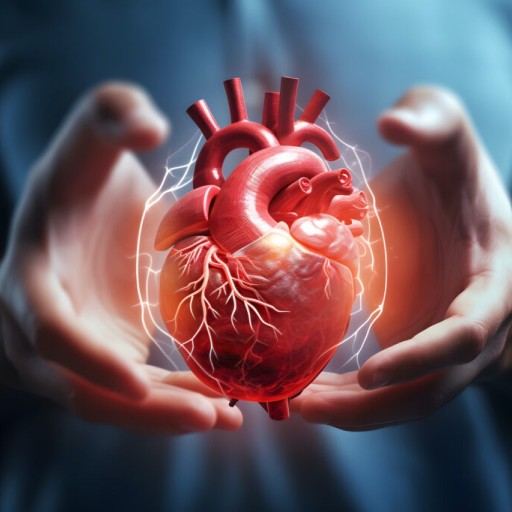
Focus on warmth and temperature difference protection
The temperature difference between day and night is large in winter, and keeping warm is one of the key measures to prevent cardiovascular and cerebrovascular diseases.
Add clothing appropriately: Increase or decrease clothing according to temperature changes, especially keep your head, hands and feet warm.
Avoid sudden cold environments: When going outdoors from a warm room, you should first acclimatize in the doorway for a period of time to avoid sudden exposure to low temperatures.
Keep warm at night: blood pressure is easy to rise at night in winter, you can use warm water bags or electric blankets when you sleep, but you need to pay attention to safety.
Maintaining Mental Health
Mental health is closely related to cardiovascular health. Cold and shortened sunshine hours in winter can easily trigger low mood and even seasonal affective disorder. Maintaining a positive state of mind can help regulate bodily functions and reduce the risk of cardiovascular diseases. You can boost your mental state by:
Communicate more with friends and relatives: Enhance interpersonal interaction to relieve loneliness and stress.
Cultivate hobbies: Activities such as reading, listening to music and drawing can effectively divert attention and relieve negative emotions.
Appropriate sun exposure: The sunlight exposure time is short in winter, but try to choose sunny days to outdoor activities, which can help supplement vitamin D and improve mood.
Regularly monitor your health
Winter is the high incidence of hypertension, coronary heart disease and other cardiovascular and cerebrovascular diseases, especially middle-aged and elderly people and high-risk groups, need to maintain the habit of regular physical examination. The following are the key monitoring items:
Blood pressure: High blood pressure is an important factor leading to cardiovascular and cerebrovascular diseases, so it is necessary to maintain the habit of measuring blood pressure daily in winter.
Blood Sugar: Blood sugar fluctuations can aggravate blood vessel damage, regular monitoring can detect abnormalities in time.
Lipids: Blood lipids tend to rise in winter, and it is recommended that they be checked every three to six months.

Knowledge of first aid
As the risk of sudden cardiovascular disease is high in winter, it is crucial to understand basic first aid knowledge. The following are common symptoms and measures to deal with them:
Angina: Patients may feel chest tightness, pressure or even severe pain, and need to stop activities immediately, take emergency medication such as nitroglycerin, and call the emergency number.
Stroke: manifested by sudden weakness or numbness of one side of the limbs, speech difficulties, etc., need to be sent to the hospital as soon as possible.
Natural heart-protecting foods in the diet
Certain foods have natural cardiovascular protection effects and can be added to the daily diet in moderation:
Deep-sea fish: rich in Omega-3 fatty acids, which help lower blood lipids and reduce inflammation.
Nuts: such as walnuts and almonds, rich in unsaturated fatty acids and antioxidants, which are beneficial to cardiovascular health.
Green leafy vegetables: such as spinach and kale, rich in folate and antioxidants that help protect blood vessels.
Garlic: helps lower cholesterol and blood pressure and has an anti-inflammatory effect.
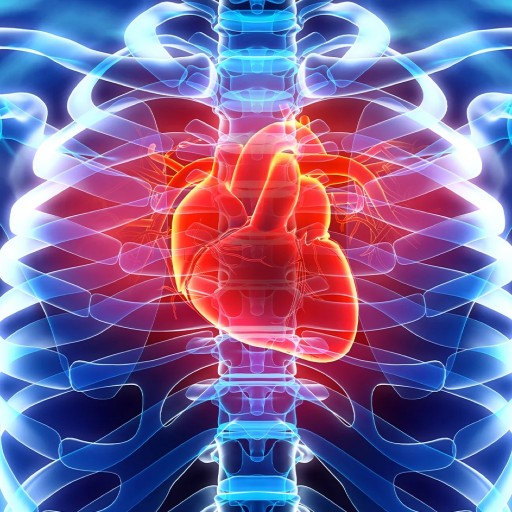
Focus on special populations for protection
Elderly: Elderly people have less elastic blood vessels and need to pay special attention to monitoring blood pressure and blood sugar, avoiding strenuous activities and emotional fluctuations.
Chronic disease patients: diabetes, hypertension patients need to follow the doctor's instructions for regular medication, and maintain regularity of diet and exercise.
Pregnant women: cardiovascular burden increased during pregnancy, winter need to pay special attention to warmth and monitoring.
Precautions in winter health care
Reasonable tonic: Avoid blindly taking tonic, especially high-fat and high-cholesterol foods.
Adequate sleep: Ensuring 7-8 hours of quality sleep daily will help maintain cardiovascular health.
Reduce staying up late: prolonged staying up late may lead to elevated blood pressure and increase the risk of cardiovascular diseases.
Cardiovascular health is closely related to our lives, especially during the high-risk time of winter, which requires us to take comprehensive protection in our daily lives. From rational diet to regular work and rest habits, to appropriate exercise and psychological adjustment, every detail can protect our cardiovascular and cerebrovascular health.
Through scientific protection and a positive attitude towards life, we can still have a healthy heart and smooth blood vessels in the cold winter.
 1
 1
OTHER NEWS
-
- Sustainable Gardening Starts With Organic Supplies
- By Prodosh Kundu 28 Oct,2024

-
- The natural choice for indoor air purification five high-quality greenery recommendations
- By YL 14 Mar,2025

-
- Have you ever seen a magical plant that can grow by drinking air?
- By LH 14 Mar,2025

-
- From planting to caring for flowers that bloom forever
- By MTH 10 Mar,2025

-
- Here’s a complete guide on what you should prepare before planting your seeds.
- By Prodosh Kundu 18 Jul,2024

-
- Growing For The Planet: How Sustainable Gardening Practices Can Help To Mitigate Climate Change
- By Prodosh Kundu 28 Oct,2024

-
- Do you know these secrets of plants?
- By LH 18 Feb,2025

-
- Is the smell of mowing the grass a distress signal from plants?
- By LH 21 Feb,2025

-
- Planting Tips: Best Indoor Plants Recommendations and Care Guide
- By MTH 18 Feb,2025

-
- How terrible are carnivorous plants?
- By LH 12 Mar,2025

-
- Vigilance! Keeping these kinds of plants indoors may harm your health
- By ZYY 09 Apr,2025

-
- How do you control pests and diseases in your garden
- By YL 12 Mar,2025