Don't waste every bite and take in food nutrients wisely!
In the modern world, health is becoming more and more important to people, especially their dietary choices. Every day we eat a wide variety of food, however, have you ever stopped to think whether the food we consume can provide enough nutrients for our body? How can you be smart about how you take in the nutrients from your food without wasting every bite?
In the simplest and most straightforward terms, this article will show you how you can eat a healthy diet without wasting every bite.
Why is food nutrition so important?
Our body is like a sophisticated machine that requires a wide variety of nutrients to support its proper functioning. Whether it is to maintain the basic functions of life, to provide energy for daily activities, or even to boost immunity, all of these cannot be achieved without the nutrients in food.
Foods are not just for filling the stomach, they are the “fuel” for every cell in the body. If we don't get enough nutrients, our body's functions will suffer, which can lead to health problems in the long run.
For example, proteins are essential for muscle repair, carbohydrates provide energy, and fats are important for the health of the brain and cell membranes. And various trace minerals, such as calcium, iron and zinc, also play an integral role in bone health and blood circulation. Therefore, smart intake of food nutrients can make our body healthier and more energetic.
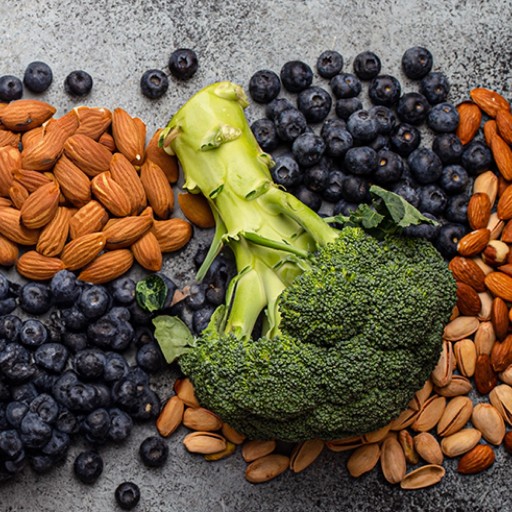
How to avoid wasting food?
In our busy lives, sometimes we may not have enough time to pay attention to every bite of food intake. But from a health perspective, avoiding wasting food is not just about minimizing waste, it also ensures that we take in more nutrients. So, how can we do this?
1. Plan your diet wisely
Many people tend to eat half full or even have some food left over in their daily lives. To avoid food waste, we can plan our daily diet in advance. Choose the right amount of food according to your activity level and physical needs.
For example, don't just add food to your meal and try to eat as much as you need. If the leftovers are healthy, consider eating them next time to avoid wastage.
2. Chew and swallow slowly when eating
Chewing and swallowing slowly not only helps digestion and absorption, but also helps us to feel fuller. Eating quickly often leads us to overeat, resulting in waste. Eating slower not only reduces waste, but also helps to control the amount of food we eat and avoid excessive calorie intake.
3. Utilize leftovers
Leftovers can be reused in appropriate ways. For example, making leftover vegetables into salads and leftover meat into stir-fries or soups can avoid wastage and create delicious new meals.

How to consume nutrition smartly?
Taking in food nutrients smartly means that we need to mix and match our food wisely to ensure that we are getting enough of various nutrients. Here are some suggestions to help you be smarter about how you consume nutrients in your daily diet.
1. Maintain nutritional diversity
Every food contains different nutrients, so consuming a variety of foods and making sure your meals are diverse will help you get a full range of nutrients. For example, cereals are rich in carbohydrates and dietary fiber; vegetables and fruits are rich in vitamins, minerals and antioxidants; and meat and legumes are good sources of protein.
2. Focus on food combinations
Eating only one type of food may not provide all the nutrients we need. For example, eating vegetables alone may not provide enough protein, while eating meat alone may lack fiber and vitamins. A healthy diet should include a reasonable mix of various types of food, such as protein in meals, vitamins in vegetables, and fiber in coarse grains, which can help the body absorb nutrients better.
3. Choose quality food
The quality of food has a direct impact on the effect of nutritional intake. Compared with processed food, natural and fresh ingredients are more nutritious. For example, fresh fruits and vegetables contain more vitamins and minerals than canned foods, while fresh meat is healthier than processed meat products.
Try to choose natural food and avoid too much processed food and fast food.
4. Reasonable portion control
Portion control is crucial to getting enough nutrients. Excessive food will not only increase the burden of the body, but also waste food. According to the body's needs, we can reasonably control the amount of food at each meal, so that we are not hungry and not overstuffed, not only to meet the nutritional needs, but also to avoid excessive intake.
5. Pay attention to the cooking method
The way food is cooked also has a great impact on its nutritional value. For example, steaming, boiling and stewing are better ways to retain the nutrients in food than frying, pan-frying and roasting. Minimize frying and over-processing, and choose healthier cooking methods to ensure that the nutrients in food are not lost.

Common Nutritional Misconceptions
1. Over-reliance on a particular food
Some people believe that by eating a certain “superfood”, they can fulfill all the nutritional needs of their body. For example, some people may rely too much on healthy foods such as chicken breasts and avocados, but in fact, a single food cannot provide all the nutrients needed by the body.
2. Neglecting to supplement after meals
Many people tend to ignore the postprandial nutritional supplements after eating a meal. But in fact, the postprandial supplement is also very important, especially after exercise, supplement some protein and carbohydrates, can help restore physical strength, promote muscle repair.
3. Low-fat does not equal healthy
Although low-fat food sounds healthy, sometimes in order to reduce the fat content, manufacturers tend to add more sugar, salt or artificial additives, which is not good for your health. Therefore, low-fat does not equal healthy. You should choose foods that contain moderate amount of healthy fats, such as nuts and olive oil.
4. Neglecting water intake
Water is an important part of the human body, and adequate hydration is vital for maintaining good health. Drinking enough water every day can help with digestion, keep your skin healthy, and boost your metabolism. However, many people neglect water intake in their daily diets and just rely on drinks for hydration, which can lead to dehydration and affect their health.
Not wasting every bite and taking in food nutrients smartly is not a task that can be accomplished overnight, but requires constant adjustment and practice in our daily lives.
By planning our diets wisely, choosing quality ingredients and combining food scientifically, we can easily take in all the nutrients our bodies need, not only to stay healthy, but also to enjoy every bite of delicious food. Let's start from now on, so that we don't waste every bite and take in every nutrient intelligently, so that our body can be healthier and our life more fulfilling.
 1
 1
OTHER NEWS
-
- 15 kinds of flowers suitable for summer
- By LH 31 Mar,2025

-
- The natural choice for indoor air purification five high-quality greenery recommendations
- By YL 14 Mar,2025

-
- Planting Tips: Best Indoor Plants Recommendations and Care Guide
- By MTH 18 Feb,2025

-
- How Organic Gardening Supplies Can Transform Your Garden And The Environment?
- By Prodosh Kundu 28 Oct,2024

-
- Hydroponic plants, gardening tips
- By LH 02 Apr,2025
-
- Do you know these secrets of plants?
- By LH 18 Feb,2025

-
- What are the most ugly plants in the gardening world?
- By LH 09 Apr,2025

-
- From planting to caring for flowers that bloom forever
- By MTH 10 Mar,2025

-
- Vigilance! Keeping these kinds of plants indoors may harm your health
- By ZYY 09 Apr,2025
-
- The Five Best Flowers for Newbies to Keep Alive
- By MTH 14 Mar,2025

-
- Here’s a complete guide on what you should prepare before planting your seeds.
- By Prodosh Kundu 18 Jul,2024

-
- Is the smell of mowing the grass a distress signal from plants?
- By LH 21 Feb,2025