Nutrition during pregnancy: one person eats, two people supplement!
Pregnancy is one of the most special stages in a woman's life. This stage is not only a challenge to the body, but also a test of the soul. With the arrival of this new life, the nutritional needs of pregnant women have also undergone earth-shaking changes.
Pregnancy is not only a process that mothers and babies experience together, but also a "double challenge" of the mother's physical needs and the baby's growth needs. So, how to reasonably supplement nutrition during this special period to meet the needs of your own body and ensure the healthy development of the baby?
The nutritional needs during pregnancy increase significantly, because mothers not only need to provide enough energy for themselves, but also provide the necessary nutrients for the fetus. The nutrition that the fetus obtains from the mother's body will directly affect its growth and development. Therefore, a correct diet structure and balanced nutrition are essential.
1. Understand the basic nutritional needs during pregnancy
During pregnancy, many changes will occur in the mother's body, resulting in a significant increase in nutritional needs, especially the following types of nutrients:
Protein: The cornerstone of baby growth
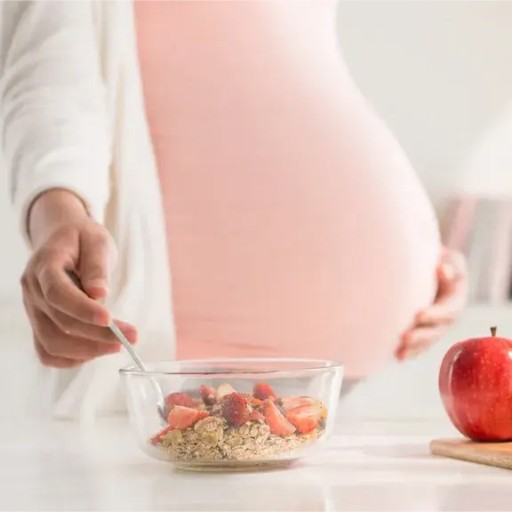
Protein is the basis for the growth of fetal cells and tissues, especially in the early stages of pregnancy, when the fetal cell division and reproduction rate is very fast. Pregnant mothers need to take in extra protein every day to ensure that the fetus has enough raw materials for development.
High-quality protein comes from lean meat, eggs, fish, beans and other foods. The proportion of protein in each meal should account for about 30% of the diet.
Calcium: The key to bone development
The bones and teeth of the fetus gradually develop during pregnancy, and calcium is an indispensable mineral in bone development. Pregnant women need to take in extra calcium to ensure that both the mother and the fetus can meet their daily needs.
Insufficient calcium intake during pregnancy may lead to insufficient bone density in the fetus and may even lead to the risk of osteoporosis in the pregnant woman herself. Dairy products, tofu, green vegetables, nuts and fish are good sources of calcium.
Iron: Prevent anemia and increase blood volume
The blood volume in pregnant women increases during pregnancy, so the demand for iron also increases accordingly. Iron is the main component of hemoglobin synthesis, which helps carry oxygen and maintain energy levels.
If pregnant women are iron deficient, they are prone to anemia, physical fatigue, and even affect the development of the fetus. Red meat, chicken liver, beans, spinach, etc. are foods rich in iron. To promote iron absorption, it is recommended to consume foods rich in vitamin C, such as oranges and strawberries.
Folic acid: Prevent neural tube defects
Folic acid, or vitamin B9, is a vital nutrient during pregnancy. It can effectively prevent fetal neural tube defects, especially in the early stages of pregnancy (3 months before pregnancy and the first three months of pregnancy).
Doctors usually recommend folic acid supplements for pregnant women, especially women who are planning to become pregnant. Among foods rich in folic acid, green leafy vegetables, beans, nuts, whole grains and fruits are all good sources.
DHA: Guardian of the brain and vision
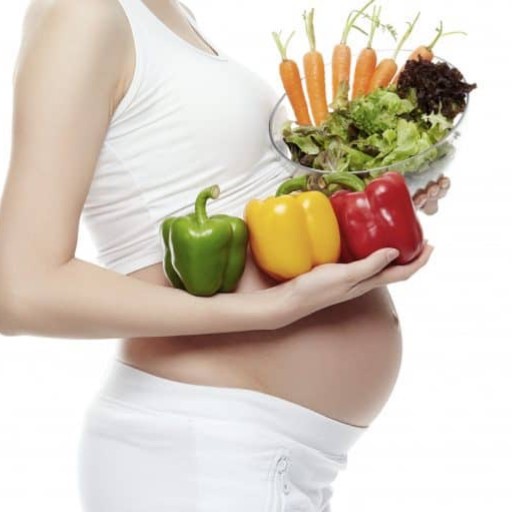
DHA (Docosahexaenoic Acid) is a polyunsaturated fatty acid that is essential for the development of the fetal brain and eyes. Scientific studies have shown that supplementing DHA during pregnancy can help the fetal nervous system and vision development.
Therefore, expectant mothers can support the fetal brain development by eating foods rich in DHA, such as deep-sea fish, nuts and certain vegetable oils.
2. How to balance your diet during pregnancy?
Three meals a day, regular diet
The nutritional needs of pregnant women are more complex and diverse, and it is very important to arrange three meals a day reasonably. During pregnancy, expectant mothers should try to avoid overeating to avoid increasing the burden on the digestive system and causing unnecessary weight gain.
At the same time, the nutrients of each meal should be reasonably distributed so that each meal contains enough protein, carbohydrates, fat, vitamins and minerals.
Diversified food combination
A single food often cannot provide comprehensive nutrition, so pregnant women should focus on diversification in their diet.
For example, for breakfast, you can choose protein-rich eggs with whole wheat bread and some fruits; for lunch, you can choose vegetable salads rich in iron and folic acid with fish or tofu; for dinner, you can take a moderate amount of deep-sea fish rich in DHA and a lot of green vegetables.
This balanced combination can provide comprehensive nutritional support for mothers and babies.
Avoid processed foods and high-sugar foods
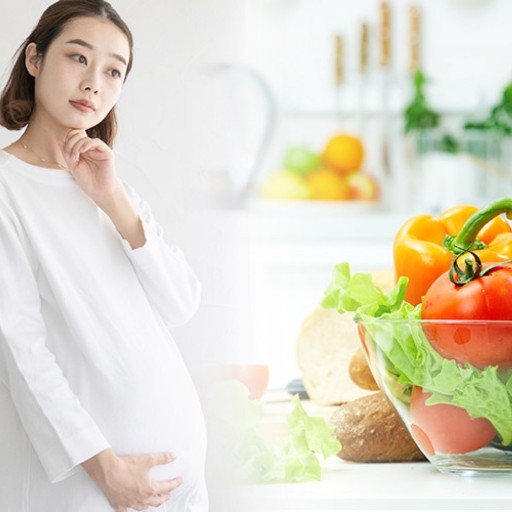
Although processed foods and high-sugar foods are convenient, they usually contain a lot of additives, trans fats and empty calories, which can easily lead to excessive weight gain and increase the risk of diabetes and hypertension during pregnancy. Try to choose fresh and natural ingredients and reduce dependence on processed foods to ensure healthy and diverse nutrition.
3. Common misunderstandings about nutritional supplementation during pregnancy
Although nutritional supplementation during pregnancy is crucial, it is also necessary to avoid oversupplementation. Here are some common nutritional supplementation misunderstandings:
Error 1: Oversupplementation of calories
Many expectant mothers think that pregnancy means eating more. In fact, the increase in calories during pregnancy does not mean overeating.
In the first two or three months of pregnancy, it is usually enough to add 300 calories per day; in the later stages of pregnancy, the daily calorie requirement increases by about 500 calories. Excessive calorie intake may cause pregnant women to gain weight too quickly and even increase the risk of gestational hypertension and diabetes.
Error 2: Ignoring water supplementation
Water is one of the most important nutrients for the body, especially during pregnancy. Pregnant women have an increased need for water, and symptoms such as morning sickness often occur in the early stages of pregnancy, which can easily lead to dehydration. It is very necessary to ensure that you get enough water (about 8 glasses of water) every day.
Error 3: Relying on supplements and ignoring food sources
Although supplements for nutrients such as folic acid, calcium, and iron during pregnancy can provide some help, they are not a universal supplement to replace food. Food is the best source of comprehensive nutrition. Only through a balanced diet can we ensure that the body obtains more trace elements and active ingredients.
Conclusion
Pregnancy is not just as simple as "eating well", but "eating right". On the one hand, a healthy diet during pregnancy helps to ensure the healthy development of the baby; on the other hand, it can also help the mother maintain a good physical condition. Remember, pregnancy is a special period.
Only by properly matching the diet and paying attention to balanced nutrition can we truly achieve "one person eats, two people supplement", laying a solid foundation for the health of yourself and your baby.
 1
 1
OTHER NEWS
-
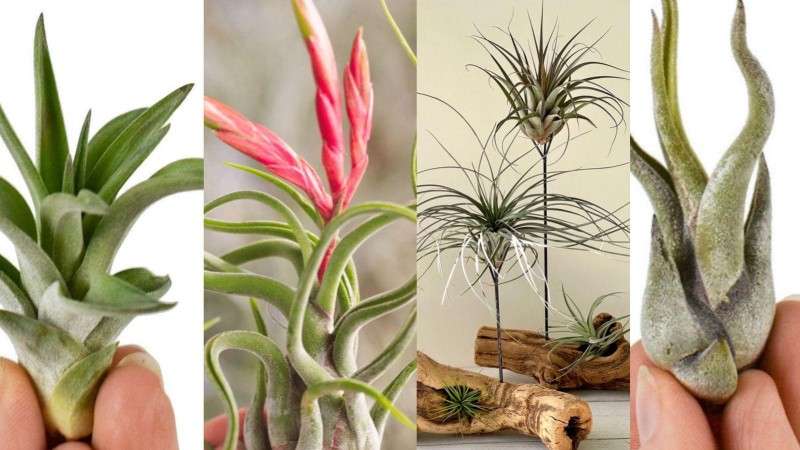
- Have you ever seen a magical plant that can grow by drinking air?
- By LH 14 Mar,2025
-
- Sustainable Gardening Starts With Organic Supplies
- By Prodosh Kundu 28 Oct,2024
-
- Growing For The Planet: How Sustainable Gardening Practices Can Help To Mitigate Climate Change
- By Prodosh Kundu 28 Oct,2024
-
- Is the smell of mowing the grass a distress signal from plants?
- By LH 21 Feb,2025

-
- How terrible are carnivorous plants?
- By LH 12 Mar,2025
-
- 15 kinds of flowers suitable for summer
- By LH 31 Mar,2025

-
- The natural choice for indoor air purification five high-quality greenery recommendations
- By YL 14 Mar,2025

-
- From planting to caring for flowers that bloom forever
- By MTH 10 Mar,2025

-
- Do you know these secrets of plants?
- By LH 18 Feb,2025

-
- Planting Tips: Best Indoor Plants Recommendations and Care Guide
- By MTH 18 Feb,2025

-
- What are the most ugly plants in the gardening world?
- By LH 09 Apr,2025

-
- Spring is here! Give Your Garden a New Look with These Gardening Tips
- By MTH 20 Feb,2025