Note to people with three highs! Essential nutrients in your daily diet
If you've been living with high blood pressure, high blood sugar, or high cholesterol (also known as the “three highs”), you probably know that your health needs some extra care. These health conditions don't just flake out; they require constant attention and lifestyle changes.
But don't panic! You don't have to trade in your favorite foods for tasteless supplements and endless doctor visits. In fact, you can take control of your health, starting with something as simple (and delicious) as your daily diet.
Yes, you heard that right. What you eat directly affects your “highs” and with the right nutrients, you can support your body and feel more energized, balanced, and yes - healthier. It's not just about giving up junk food, it's about nourishing your body with the right essentials. If you're ready to learn how to turn your plate into a powerhouse of health, you've come to the right place.
Essential Nutrients for High Blood Pressure
Let's start with high blood pressure, which is also known as the silent killer. When your blood pressure is consistently high, your heart has to work harder to pump blood throughout your body, which can lead to some serious health problems. So how can you help lower your blood pressure through food?
That means eating foods that relax blood vessels and improve circulation. Here are a few key nutrients:
*Potassium: potassium is basically the MVP of blood pressure control. it works with sodium to maintain a healthy balance of fluids in the body, which helps lower blood pressure. You can find potassium in foods like bananas, sweet potatoes, spinach, tomatoes and oranges.
Try adding a banana to your morning smoothie or some spinach to your salad and your blood pressure will thank you!
*Magnesium: This mineral acts like a tranquilizer for the body, helping to relax blood vessels and improve blood flow. Magnesium-rich foods include leafy greens, nuts, seeds, legumes and whole grains. Put some almonds in your oatmeal or eat some sunflower seeds for a little magnesium.
*Omega-3 fatty acids: These healthy fats are great for reducing inflammation and improving heart health. Fatty fish like salmon, mackerel and sardines are rich in omega-3 fatty acids, but don't worry if you're not a seafood fan! You can get omega-3s from flaxseeds, chia seeds and walnuts. incorporate them into your diet and give your heart some love.
Essential Nutrients for High Blood Sugar
Next up is high blood sugar. This is especially important for diabetics or those at risk. But don't worry, with the right nutrients, you can stabilize your blood sugar and keep it in a healthy range.
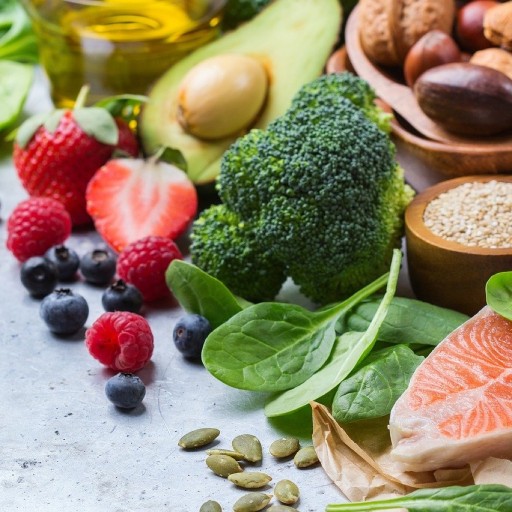
*Fiber: Fiber can be a complete game changer when it comes to controlling blood sugar. It slows down the absorption of sugar into the bloodstream and prevents blood sugar from spiking like crazy. So where can you find fiber?
Whole grains, beans, vegetables, and fruits (especially apples, berries, and pears) are your best friends. Start your day with whole grain oats, eat lots of veggies for lunch, and have some berries for a snack - easy peasy!
*Magnesium (again!) : Yes, magnesium makes a reappearance here because it helps increase insulin sensitivity, making it easier for the body to regulate blood sugar levels. Magnesium-rich foods include green leafy vegetables, seeds and nuts. So if you've been adding magnesium to your diet to lower your blood pressure, you're already ahead of the game!
*Chromium: This trace mineral plays a role in insulin function and helps regulate blood sugar. You can find chromium in foods like broccoli, eggs, and whole grains. Try adding some roasted broccoli to your dinner or enjoy hard-boiled eggs as a snack.
*HEALTHY FATS: Healthy fats, such as those found in avocados, olive oil, and nuts, help slow down the absorption of sugar and keep you feeling fuller longer. Drizzling a little olive oil on a salad or putting a few slices of avocado on toast will do wonders for your blood sugar.
Essential nutrients for high cholesterol
High cholesterol can lead to plaque buildup in your arteries and increase your risk of heart disease. Therefore, controlling cholesterol levels is crucial, and diet plays an important role in this!
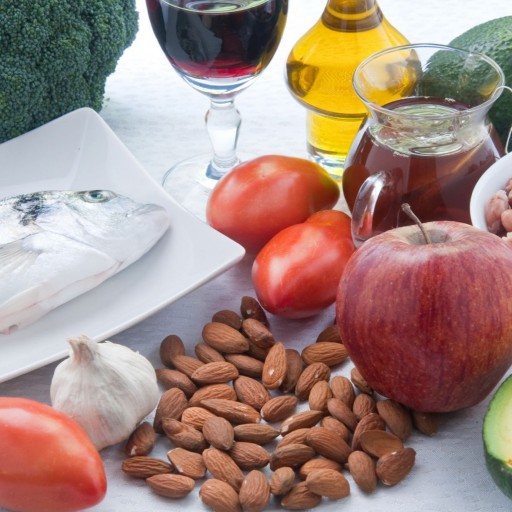
*Soluble Fiber: Soluble fiber is your best friend when it comes to lowering LDL (bad) cholesterol. It binds to cholesterol in the digestive system and helps flush it out of the body. You can find soluble fiber in oats, beans, lentils, and fruits like apples and pears. Try oatmeal for breakfast or add some beans to a salad and your cholesterol will thank you.
*Healthy fats (yes, again!) : Unsaturated fats found in olive oil, avocados, and nuts are essential for lowering LDL cholesterol. These fats help improve the balance between good cholesterol (HDL) and bad cholesterol (LDL). So grab some avocado toast and drizzle some olive oil over your veggies - your heart will love you!
*Sterols and stanols: These plant compounds block the absorption of cholesterol in the digestive system. You can find them in fortified foods like margarine, orange juice and yogurt. Adding phytosterol-rich spreads to toast is an easy way to sneak this nutrient into your day.
*Omega-3 fatty acids: Remember those omega-3 fatty acids? They're making a comeback because they help lower triglycerides (another type of fat in the blood) and improve overall cholesterol profiles.
Fatty fish like salmon and tuna are rich in omega-3s, but you can also get them from flaxseeds and walnuts. Add some flaxseed to your smoothie or some walnuts to your salad - it's like a cholesterol-lowering party in your mouth!
The power of antioxidants
Whether you suffer from high blood pressure, high blood sugar, or high cholesterol, one thing is for sure: inflammation tends to lurk in the background, making everything worse. The good news? Antioxidants are here to save the day. These “little superheroes” protect your body from oxidative stress, reduce inflammation, and are key to controlling the “three highs.”
*Vitamin C: This vitamin is a powerful helper in protecting blood vessels and supporting heart health. Citrus fruits such as oranges, grapefruits and lemons are rich in vitamin C, but you can also get it from strawberries, bell peppers and broccoli. squeeze a little lemon into your water, eat some strawberries or add bell peppers to your stir fry.
*Vitamin E: Vitamin E helps prevent the oxidation of LDL cholesterol (bad cholesterol) and keeps your blood vessels healthy. Nuts, seeds, spinach and avocados contain vitamin E. Eat some almonds or sprinkle sunflower seeds on your salad and your body will thank you!
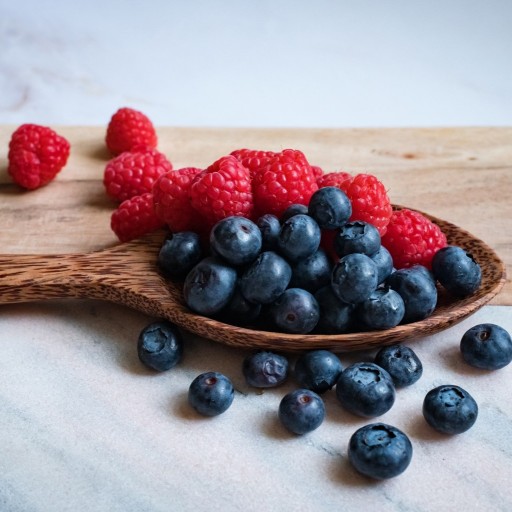
*Polyphenols: These plant compounds are found in foods like berries, grapes, dark chocolate and green tea. They have been proven to improve heart health, reduce inflammation, and help lower cholesterol levels. Take a sip of green tea or eat a small piece of dark chocolate and your heart is sure to rejoice!
 1
1 1
1OTHER NEWS
-
- From planting to caring for flowers that bloom forever
- By MTH 10 Mar,2025

-
- 15 kinds of flowers suitable for summer
- By LH 31 Mar,2025

-
- Growing For The Planet: How Sustainable Gardening Practices Can Help To Mitigate Climate Change
- By Prodosh Kundu 28 Oct,2024

-
- Hydroponic plants, gardening tips
- By LH 02 Apr,2025
-
- How to Choose the Best Lawn and Landscaping Services for Your Home
- By Prodosh Kundu 28 Aug,2024

-
- The natural choice for indoor air purification five high-quality greenery recommendations
- By YL 14 Mar,2025

-
- Is the smell of mowing the grass a distress signal from plants?
- By LH 21 Feb,2025

-
- Spring is here! Give Your Garden a New Look with These Gardening Tips
- By MTH 20 Feb,2025

-
- Planting Tips: Best Indoor Plants Recommendations and Care Guide
- By MTH 18 Feb,2025

-
- How do you control pests and diseases in your garden
- By YL 12 Mar,2025

-
- Do you know these secrets of plants?
- By LH 18 Feb,2025

-
- Vigilance! Keeping these kinds of plants indoors may harm your health
- By ZYY 09 Apr,2025