Don't Ignore Gastrointestinal Health Problems, How Seniors Can Cope with Common Gastrointestinal Diseases?
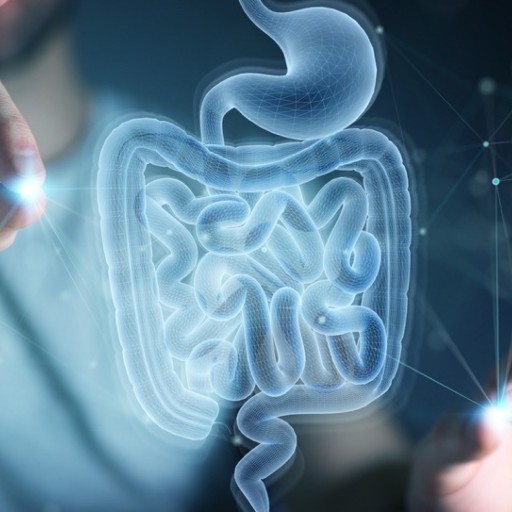
In the human digestive system, the gastrointestinal tract is like a sophisticated machine, responsible for the digestion of food and absorption of nutrients. However, as we age, this “machine” will gradually develop various problems. For the elderly, gastrointestinal diseases have become a common health problem that affects the quality of life.
Common gastrointestinal diseases and symptoms
Dyspepsia is extremely common among the elderly, many of whom often experience pain or discomfort in the upper abdomen, accompanied by bloating, belching, loss of appetite and other symptoms. A simple meal may leave them feeling bloated and full in the stomach for a long time.
This is mainly due to the fact that with age, the gastrointestinal motility of the elderly weakens and the secretion of digestive juices decreases, resulting in slower digestion and emptying of food in the gastrointestinal tract.
Constipation is also a “common problem” among the elderly. Many elderly people will find that bowel movements become less regular, sometimes even several days before a bowel movement, and the stool is dry and difficult to defecate.
Prolonged constipation will not only make the elderly feel abdominal discomfort, but may also trigger a series of anorectal diseases such as hemorrhoids and anal fissures.
This is on the one hand related to the dietary structure of the elderly, such as insufficient intake of dietary fiber; on the other hand, the reduction of exercise and the side effects of some drugs can also lead to constipation.
Gastric ulcers are also not uncommon in the elderly population. Patients with gastric ulcers usually experience epigastric pain for some time after eating. The pain is rhythmic and often comes on 1-2 hours after a meal and then gradually subsides. In addition to pain, it may be accompanied by nausea, vomiting, acid reflux and other symptoms.
The causes of gastric ulcers in the elderly are more complex, and Helicobacter pylori infection, long-term use of non-steroidal anti-inflammatory drugs, and abnormal secretion of gastric acid may all be causative factors.
Enteritis includes acute enteritis and chronic enteritis. Acute enteritis is usually caused by unclean diet and ingestion of food contaminated by bacteria, viruses or parasites. Elderly people will suddenly experience abdominal pain, diarrhea, nausea, vomiting and other symptoms, which may be accompanied by fever and dehydration in severe cases.
Chronic enteritis, on the other hand, has a longer course and relatively milder symptoms, mainly manifesting as recurrent abdominal pain, diarrhea, unshaped stools, sometimes with mucus or pus and blood.
Impact of gastrointestinal diseases on the elderly
These common gastrointestinal disorders may seem ordinary, but they can cause a lot of inconvenience and pain in the lives of the elderly. Dyspepsia and constipation affect the appetite and nutritional intake of the elderly, leading to gradual weight loss, weakness and decreased resistance.
The pain associated with gastric ulcers and enteritis not only affects sleep and daily activities, but long-term chronic inflammation may also increase the risk of cancer. In addition, frequent gastrointestinal discomforts can cause psychological stress to the elderly, leading to anxiety, depression and other psychological problems.
Ways for the elderly to cope with gastrointestinal diseases
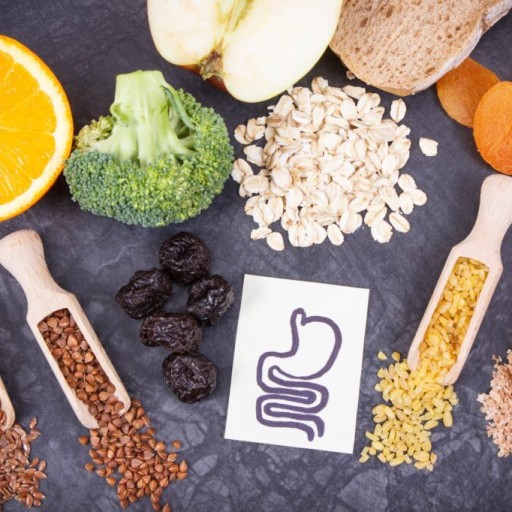
In terms of dietary adjustments, the elderly should increase dietary fiber intake, eat more vegetables, fruits, whole grains, such as spinach, bananas, oats, etc. Dietary fiber can increase the volume of feces and promote intestinal peristalsis, which can help prevent and relieve constipation.
At the same time, we should eat regularly, eat regularly, avoid overeating, each meal can be seven or eight minutes full, especially dinner should not eat too much, but also pay attention to the temperature of the diet, avoid eating too cold or too hot food.
In addition, we should choose more soft, easy to digest food, such as millet porridge, yam porridge, noodles, steamed eggs, etc. Avoid spicy, greasy, stimulating food, such as chili, fried food, coffee, etc., which will aggravate the burden on the stomach and intestines.
Appropriate exercise is also very critical, the elderly can insist on walking 30 minutes to 1 hour a day, moderate speed, walking can promote gastrointestinal peristalsis, help digestion, but also to enhance physical fitness.

Taijiquan is a slow, gentle movement that can regulate breathing and promote the operation of qi and blood, which is helpful for improving gastrointestinal function. Older people can participate in community-organized taijiquan classes and learn from professional teachers.
Every morning and evening, lying in bed, hands folded, with the navel as the center, clockwise direction massage abdomen, each massage 10-15 minutes, moderate strength, can promote intestinal peristalsis, relieve constipation.
Regular physical examination is essential, and it is recommended that the elderly should undergo gastroenteroscopy once a year or once every two years, especially those with a family history of gastrointestinal diseases, chronic indigestion or symptoms such as blood in the stools, etc.
Gastroenteroscopy can detect gastrointestinal lesions such as gastric ulcers, polyps, tumors, etc., so as to achieve early detection and early treatment. Regular fecal occult blood test can detect whether there is blood in the feces that is invisible to the naked eye, which can help early detection of intestinal tumors and other diseases.
Medication should be reasonable, if you suffer from gastrointestinal diseases, you must strictly follow the doctor's instructions to use medication, do not increase or decrease the amount of medication or stop taking medication on your own.
For example, medication for gastric ulcers usually need to be taken according to the course of treatment in order to achieve the effect of a complete cure.
Elderly people should avoid abusing drugs such as antibiotics and laxatives. The abuse of antibiotics may disrupt the balance of intestinal flora and lead to intestinal dysfunction, while long-term reliance on laxatives to defecate will make the intestinal tract tolerant to the drugs and aggravate constipation.
Maintaining a good state of mind is equally important. Anxiety, depression and other bad moods can affect gastrointestinal function, and the elderly should learn to regulate their emotions and maintain an optimistic and cheerful mindset, which can be relaxed by participating in social activities, listening to music, playing chess and other ways.
Family members and friends should give enough care and support to the elderly, pay attention to their psychological state, and if they find that the elderly have emotional problems, they should communicate with them in a timely manner to help them de-stress.
Gastrointestinal health is crucial to the quality of life and physical health of the elderly. Through reasonable dietary adjustments, appropriate exercise, regular medical checkups, reasonable medication and maintaining a good mindset, seniors can effectively prevent and cope with common gastrointestinal diseases and live a healthier and more comfortable life in their twilight years.
Let's pay attention to the gastrointestinal health of the elderly together and escort their happy life.
 1
1 1
1OTHER NEWS
-
- From planting to caring for flowers that bloom forever
- By MTH 10 Mar,2025
-
- 15 kinds of flowers suitable for summer
- By LH 31 Mar,2025
-
- Growing For The Planet: How Sustainable Gardening Practices Can Help To Mitigate Climate Change
- By Prodosh Kundu 28 Oct,2024
-
- Hydroponic plants, gardening tips
- By LH 02 Apr,2025
-
- How to Choose the Best Lawn and Landscaping Services for Your Home
- By Prodosh Kundu 28 Aug,2024

-
- The natural choice for indoor air purification five high-quality greenery recommendations
- By YL 14 Mar,2025
-
- Is the smell of mowing the grass a distress signal from plants?
- By LH 21 Feb,2025
-
- Spring is here! Give Your Garden a New Look with These Gardening Tips
- By MTH 20 Feb,2025
-
- Planting Tips: Best Indoor Plants Recommendations and Care Guide
- By MTH 18 Feb,2025

-
- How do you control pests and diseases in your garden
- By YL 12 Mar,2025

-
- Do you know these secrets of plants?
- By LH 18 Feb,2025
-
- Vigilance! Keeping these kinds of plants indoors may harm your health
- By ZYY 09 Apr,2025