Everything you need to know about inflammation and anti-inflammation
Inflammation, a seemingly unfamiliar medical term, is actually closely related to our daily lives. It is not only a defensive response of the body to pathogen invasion or tissue damage, but also an important mechanism for maintaining our physical health.
However, when inflammation is excessive or lasts too long, it may also become a trigger for chronic diseases. Therefore, understanding inflammation and learning how to fight inflammation are crucial to maintaining our health.
1. What is inflammation?
Inflammation is a defensive response of the body to harmful stimuli, aimed at eliminating the source of irritation, clearing damaged tissue, and initiating the repair process. This reaction is mainly led by white blood cells, especially neutrophils.
When the body is stimulated or damaged, they will quickly gather at the site of injury, clear pathogens or loose tissues through means such as phagocytosis, and release a large amount of inflammatory mediators
Such as prostaglandins, leukotrienes, etc., to stimulate vasodilation, increase vascular permeability, induce pain, etc., so as to achieve the purpose of clearing the source of irritation and preventing the spread of lesions.
2. Classification of inflammation
Inflammation can be divided into two types: acute inflammation and chronic inflammation.
Acute inflammation: usually refers to an immediate and short-term reaction, characterized by five typical symptoms of redness, swelling, heat, pain and dysfunction. Acute inflammation is usually caused by the invasion of pathogens such as bacteria and viruses. It usually develops rapidly and has a relatively short course. Patients may experience symptoms such as fever and chills.
Chronic inflammation: It refers to the condition caused by chronic damage to the body. It usually develops slowly and has a relatively long course. Patients may experience symptoms such as local pain, redness and swelling. If not treated in time, the condition may be further aggravated and even abscesses may occur.
Chronic inflammation may be caused by long-term chronic damage and is considered to be a triggering factor for many chronic diseases, such as cardiovascular disease, metabolic disease, and neuropathy.

3. How to fight inflammation?
To fight inflammation, we can start from daily diet, living habits and other aspects.
Daily care: Avoid irritating foods such as peppers, garlic, ginger, etc., and eat fruits and vegetables appropriately to help the body's metabolism and assist in anti-inflammatory.
Hot compress: Hot compress can dilate blood vessels, increase blood flow, promote the discharge of inflammatory substances, and at the same time promote the supply of local nutrients and oxygen, which helps the repair of damaged tissues, thereby achieving the purpose of anti-inflammatory.
Medication: Taking medications under the guidance of a doctor, such as cefixime tablets, ciprofloxacin hydrochloride tablets, etc., can effectively fight inflammation and promote body recovery.
More importantly, we must change bad lifestyles such as staying up late, drinking, smoking, and lack of exercise, practice a healthy lifestyle, and fundamentally reduce the occurrence of inflammation.
4. Anti-inflammatory nutrients
In the process of fighting inflammation, some specific nutrients play an important role.
Zinc: It is the "guardian" of cellular immunity and is rich in oysters and pumpkin seeds.
Vitamin A: An "enhancer" of immunity, rich in fresh animal liver, deep-sea fish, and egg yolks.
Vitamin E: An antioxidant "master", it sweeps away free radicals for the body and is found in foods such as olive oil, peanuts, and pumpkin seeds.
Resveratrol: "Anti-inflammatory master", it is rich in nuts and berries, such as grapes, peanuts, pistachios, blueberries, etc.
Omega-3 fatty acids: Although the body cannot produce them on its own, deep-sea fish, flax seeds, chia seeds, etc. are all its "generous providers".
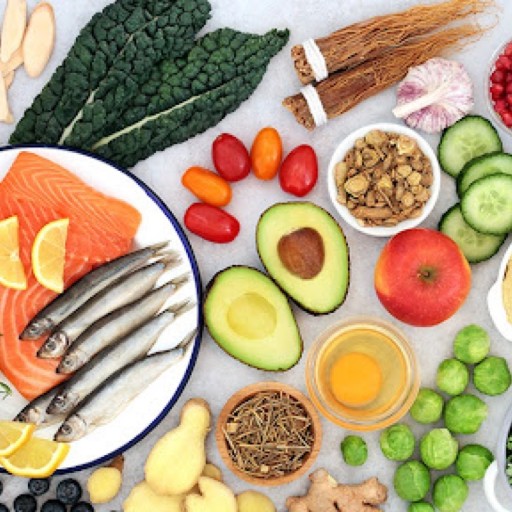
5. Anti-inflammatory foods and anti-inflammatory diets
Some foods have natural anti-inflammatory properties because they are rich in anti-inflammatory nutrients.
Deep-sea fish: such as salmon and cod, are rich in Omega-3 fatty acids, which help reduce the level of chronic inflammation in the body.
Berries: such as blueberries, strawberries, raspberries, etc., are rich in antioxidants, such as anthocyanins, which can neutralize free radicals in the body and reduce inflammation.
Green leafy vegetables: including spinach, kale, etc., are rich in vitamins, minerals and dietary fiber, and the antioxidants in them can play an anti-inflammatory role.
Nuts: such as almonds, walnuts, etc., contain healthy fats, proteins and vitamin E and other nutrients, which can inhibit inflammatory responses.
Whole grains and beans: such as brown rice, quinoa, oats, black rice, whole grain noodles, red beans and mung beans, etc., not only provide rich nutrients, but also provide additional non-nutrients, further enhancing their benefits to health and reducing the role of inflammatory responses.
The anti-inflammatory diet emphasizes improving the body's inflammatory state and preventing chronic diseases by reducing the intake of pro-inflammatory foods (such as sweets, red meat and processed meat, as well as foods containing trans fats, saturated fatty acids, refined carbohydrates, and cholesterol) and increasing the intake of anti-inflammatory foods.
This dietary pattern not only helps to reduce inflammatory responses, but also enhances immunity and strengthens the body's resistance.
Inflammation is an important defense mechanism of the body, but when it is excessive or lasts too long, it can also become a threat to health.
By understanding inflammation, learning how to fight inflammation, and adjusting the dietary structure to increase the intake of anti-inflammatory foods, we can prevent or alleviate chronic diseases associated with chronic low-grade inflammation to a certain extent, thereby maintaining our health.
 1
1 1
1OTHER NEWS
-
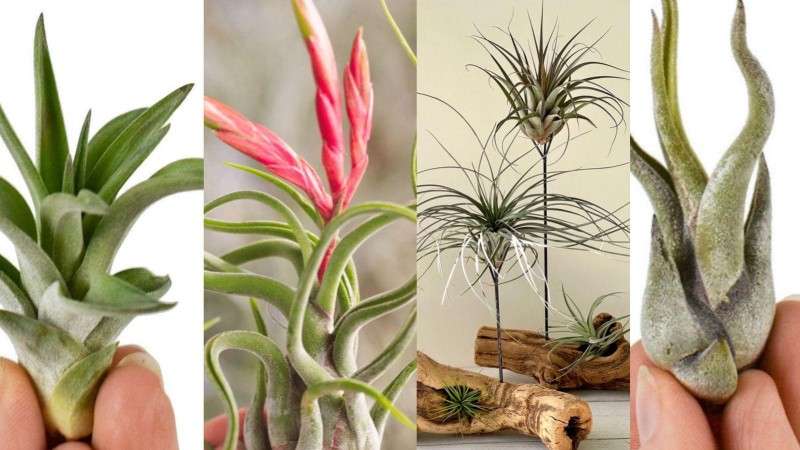
- Have you ever seen a magical plant that can grow by drinking air?
- By LH 14 Mar,2025
-
- The natural choice for indoor air purification five high-quality greenery recommendations
- By YL 14 Mar,2025

-
- Spring is here! Give Your Garden a New Look with These Gardening Tips
- By MTH 20 Feb,2025

-
- Is the smell of mowing the grass a distress signal from plants?
- By LH 21 Feb,2025

-
- How do you control pests and diseases in your garden
- By YL 12 Mar,2025

-
- Planting Tips: Best Indoor Plants Recommendations and Care Guide
- By MTH 18 Feb,2025

-
- 15 kinds of flowers suitable for summer
- By LH 31 Mar,2025

-
- Here’s a complete guide on what you should prepare before planting your seeds.
- By Prodosh Kundu 18 Jul,2024

-
- Do you know these secrets of plants?
- By LH 18 Feb,2025

-
- How Organic Gardening Supplies Can Transform Your Garden And The Environment?
- By Prodosh Kundu 28 Oct,2024

-
- What are the most ugly plants in the gardening world?
- By LH 09 Apr,2025

-
- Sustainable Gardening Starts With Organic Supplies
- By Prodosh Kundu 28 Oct,2024