Different pain sensations have different effects! Analysis of the difference between exercise soreness and injury!
Have you ever felt muscle soreness after exercise, and even felt it difficult to walk or raise your hands? Or when you challenged a heavier weight in the gym, you suddenly felt severe pain in a certain part, or even couldn't continue? Are these pains reminding you that "muscles are growing" or "your body is asking for help"?
Pain after exercise is not always a good thing. It may be a sign of a stronger body or a precursor to injury. If you don't know how to distinguish between exercise soreness and exercise injury, you may unknowingly fall into more serious injuries. Today, we will thoroughly analyze the difference between them to help you train scientifically and stay away from injuries!
Chapter 1: Exercise soreness-pain and happiness
"Sour" but controllable, the sweet burden of exercise!
1. The "black hand" behind exercise soreness
Many people mistakenly believe that muscle soreness after exercise is caused by lactic acid accumulation, but in fact, the real culprit is delayed onset muscle soreness (DOMS, Delayed Onset Muscle Soreness). This soreness usually reaches its peak 24-48 hours after exercise, and then gradually eases, mainly due to micro-muscle damage and inflammatory response.
When you perform high-intensity training (especially eccentric exercises, such as squats, slow dumbbell lowering, etc.), muscle fibers will be slightly torn. In the process of repairing these micro-damages, the body will have a mild inflammatory response, which will cause soreness. But this is not a real "injury", but a sign that the muscles are adapting to training and becoming stronger!
2. How to judge "normal exercise soreness"?
Exercise soreness is divided into two types: acute soreness and delayed muscle soreness (DOMS)
Acute soreness: occurs during or shortly after exercise, usually due to muscle burning caused by lactic acid accumulation, but this pain usually subsides quickly after rest.
Time of occurrence: Soreness starts 12-24 hours after exercise, and is most obvious after 48 hours, especially after high-intensity training, long-term exercise or new training methods. Gradually eased afterwards. This soreness is mainly caused by the micro-damage of muscle fibers during training, which triggers an inflammatory response during the repair process, leading to soreness.
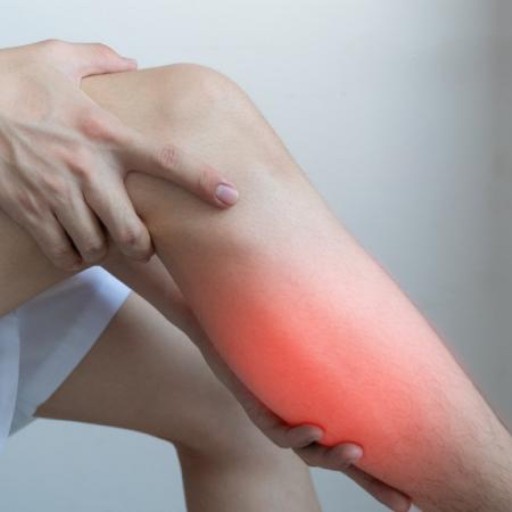
Soreness location: usually occurs in the muscles of the training site, such as sore thighs after leg training and tight back after back training.
Relieved after activity: The soreness will be relieved after slight activity, stretching or heat.
Muscle strength is not seriously affected: Although there is a little soreness, you can still continue to exercise.
3. Under what circumstances are you more likely to feel sore?
Increasing the intensity or amount of training (for example, increasing squats from 50 kg to 80 kg)
Trying new training movements (doing weighted lunges for the first time, HIIT training)
Performing a lot of eccentric exercises (such as squatting slowly, slowly putting down dumbbells)
Resuming training suddenly after not exercising for a long time
4. How to relieve soreness after exercise?
Although soreness is part of muscle growth, we can speed up recovery through the following methods:
Warm up + stretching: Adequate warm-up and stretching can reduce the severity of soreness.
Mild activity: Appropriate low-intensity exercise (such as brisk walking, yoga) can promote blood circulation and help muscle recovery.
Alternating hot and cold: After exercise, you can apply cold compresses to reduce inflammation, and then apply hot compresses after a few hours to promote blood flow and speed up recovery.
Massage roller: Using a foam roller or fascia gun can accelerate lactic acid metabolism and relieve muscle stiffness.
Protein supplement: Take a moderate amount of protein to help muscle repair.
If the soreness lasts for more than 5 days, it may be overtraining, and the muscles need more recovery time.
Chapter 2: Sports Injury-"Dangerous Signal"
Soreness can be tolerated, but injuries must not be endured!
1. What is a sports injury?
Sports injury refers to muscle, joint, ligament or bone injury caused by improper exercise posture, excessive training or external force impact. Unlike sports soreness, the pain caused by sports injuries is more severe, continuous, and may affect the ability to move. If not handled properly, it may cause long-term injuries or chronic inflammation.
2. How to judge "sports injuries"?
Time of occurrence: Severe pain is felt immediately during or after exercise, unlike soreness that occurs later.
Nature of pain: Usually sharp, stabbing, persistent dull pain, and even affects normal movement.
Associated symptoms: There may be redness, swelling, bruising, fever, and even joint deformation, weakness and other symptoms.
Pain will not ease on its own: Even after a few days of rest, the pain still exists or even worsens.
3. Common types of sports injuries
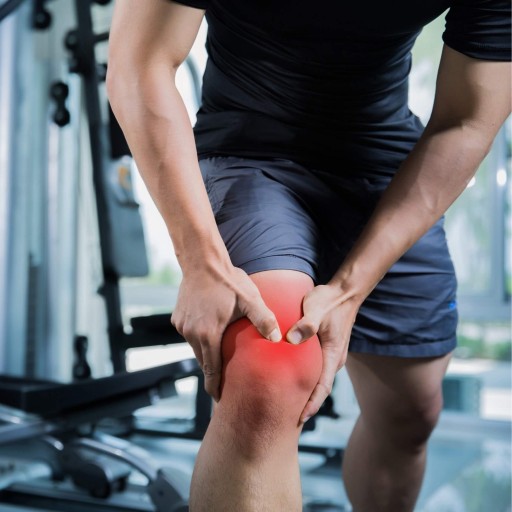
Muscle strain: Sudden overstretching of muscles causes fiber tearing, manifested as tingling, bruising, and swelling.
Ligament strain: Due to incorrect exercise posture or excessive pulling, joint instability, swelling, and pain are caused.
Joint sprain: For example, ankle sprain, usually accompanied by swelling, bruising, and limited movement.
Stress fracture: Due to long-term high-intensity exercise, small cracks in the bones are usually dull and gradually worsen.
4. What should I do if I get injured in sports?
If you suspect you are injured, do not continue to train, but immediately adopt the RICE principle:
P (Protection): Avoid continued stress on the injured part to reduce secondary injury.
R (Rest): Stop exercising and allow the injured part to fully recover.
I (Ice): Apply ice for 20 minutes each time to help relieve pain and inflammation.
C (Compression): Wrap the injured part with a bandage to reduce swelling.
E (Elevation): Elevate the injured part to promote blood return and reduce swelling.
If the pain persists, affects your movement, or is accompanied by obvious swelling and bruising, please see a doctor as soon as possible!

Chapter 3: How to avoid sports injuries?
Master the correct movements: Learn the correct exercise posture to avoid unnecessary burden on joints and muscles.
Arrange a reasonable training plan: Avoid excessive exercise in a short period of time and give the body enough time to recover.
Fully warm up and stretch: Reduce muscle stiffness, improve sports performance, and reduce the risk of injury.
Moderate training: Gradually increase the intensity of exercise to avoid overdrawing the body.
Wear appropriate sports equipment: such as suitable running shoes, knee pads, wrist guards, etc., to provide additional protection.
Conclusion: Exercise scientifically and stay away from pain!
Although sports soreness and sports injuries seem similar, one is a sign of growth and the other is a warning of danger! If you feel slight soreness, it may be a signal that your muscles are getting stronger.
After proper recovery, you will be stronger next time! But if you feel severe pain, joint instability or persistent discomfort, be careful, this may be a warning from the body and must be dealt with in time!
Exercise scientifically, safety first, remember: "You can tolerate soreness, but don't force yourself to get hurt!" Let's exercise healthily together and stay away from sports injuries!
 1
1 1
1OTHER NEWS
-
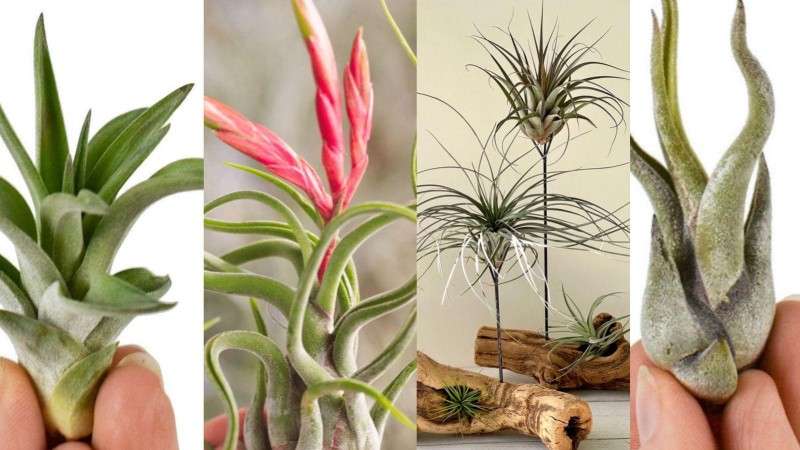
- Have you ever seen a magical plant that can grow by drinking air?
- By LH 14 Mar,2025
-
- The natural choice for indoor air purification five high-quality greenery recommendations
- By YL 14 Mar,2025
-
- Spring is here! Give Your Garden a New Look with These Gardening Tips
- By MTH 20 Feb,2025

-
- Is the smell of mowing the grass a distress signal from plants?
- By LH 21 Feb,2025
-
- How do you control pests and diseases in your garden
- By YL 12 Mar,2025
-
- Planting Tips: Best Indoor Plants Recommendations and Care Guide
- By MTH 18 Feb,2025

-
- 15 kinds of flowers suitable for summer
- By LH 31 Mar,2025

-
- Here’s a complete guide on what you should prepare before planting your seeds.
- By Prodosh Kundu 18 Jul,2024
-
- Do you know these secrets of plants?
- By LH 18 Feb,2025

-
- How Organic Gardening Supplies Can Transform Your Garden And The Environment?
- By Prodosh Kundu 28 Oct,2024

-
- What are the most ugly plants in the gardening world?
- By LH 09 Apr,2025
-
- Sustainable Gardening Starts With Organic Supplies
- By Prodosh Kundu 28 Oct,2024