The More You Move, the Younger You Get! 3 Low-Intensity Exercises Seniors Should Try
Exercise is an essential part of the quest for health and vitality, especially for older Americans. As we age, our bodies decline and high-intensity exercise may no longer be appropriate, but that doesn't mean seniors have to be insulated from exercise.
In fact, low-intensity exercise not only helps seniors maintain their flexibility and strength, but it can also provide many mental benefits that can truly fulfill the vision of moving younger. Today, we will introduce three types of low-intensity exercise that are particularly suitable for seniors to try.
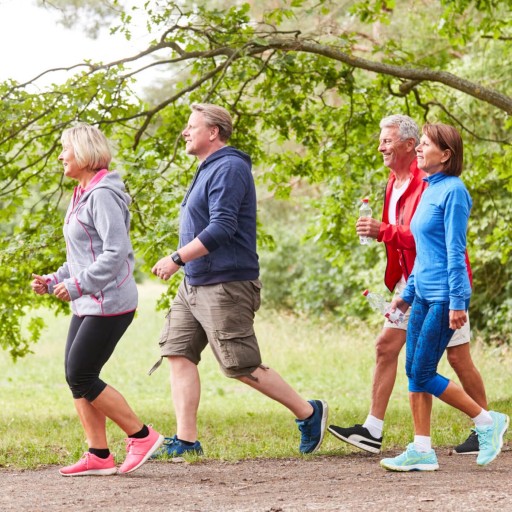
Walking - the simplest “good medicine”
Walking is a low-intensity exercise that almost everyone can participate in. It requires minimal space and equipment, just a pair of comfortable shoes. Whether it is a quiet neighborhood trail or a scenic park, both provide excellent places for seniors to walk.
(i) Benefits of Walking
From a physical health perspective, walking is effective in promoting cardiovascular health. It can help older people lower their blood pressure, strengthen their heart function and reduce the risk of cardiovascular diseases. At the same time, walking can also promote metabolism, helping the body to better absorb nutrients and expel waste.
In terms of bones, walking can stimulate the activity of bone cells, enhance bone density and prevent osteoporosis. For the joints, the pressure on the joints is less when walking, which is a good way to protect the joints as it can move them without causing too much damage to them.
On a psychological level, walking also has a significant effect. When seniors walk in a natural environment, the fresh air and beautiful scenery can soothe their emotions and reduce symptoms of anxiety and depression.
In addition, walking can also be an opportunity for socializing, walking with neighbors or friends, exchanging life moments, enhancing mutual affection and enriching the spiritual world of the elderly.
(ii) The right way to walk
For the elderly, the speed of walking should not be too fast, and it is more appropriate to maintain a speed of 70-90 steps per minute. The duration of each walk can be controlled at 30 - 60 minutes, adjusted according to the individual's physical condition.
Before walking, make sure to do simple warm-up activities, such as moving wrists and ankles, rotating the waist, etc., to avoid injuries during exercise. When walking, keep your chest up, eyes flat in front of you, arms swinging naturally, and walk at a moderate pace, not too small or too large.
After the end of the walk, do not immediately rest, carry out some simple stretching movements, such as stretching the leg muscles, relax the shoulders, etc., to help the body restore calm.
yoga -- the harmonious cultivation of body and mind
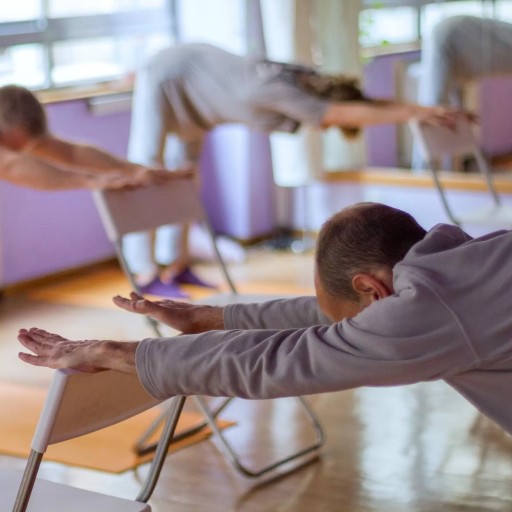
Yoga, as an ancient form of physical and mental exercise, has become increasingly popular among the elderly in recent years. It helps the elderly to improve their flexibility, balance and muscle strength through the practice of various asanas and breathing techniques, while also achieving inner peace and tranquility.
(i) Benefits of Yoga
On the physical side, the various asanas of yoga can effectively stretch muscles and ligaments, increase the range of motion of joints, and prevent and relieve joint pain.
For example, simple movements such as the Cat and Cow Pose and the Downward Facing Dog Pose can move the spine, strengthen the back muscles and improve the hunchback problem that is common among the elderly. Yoga also improves balance and reduces the risk of injury in older adults due to falls.
Asanas such as Tree Pose and Warrior Triple Pose are good exercises for balance.
From a psychological point of view, yoga focuses on the coordination of breathing and movement, and through deep breathing exercises, it can help seniors relax their bodies and minds and reduce stress and anxiety.
In the process of practicing yoga, the elderly focus on the movements and breathing at the moment, exclude external interference, and achieve a state of inner peace, which is important for improving the quality of sleep and enhancing the level of mental health.
(ii) Yoga asanas suitable for the elderly
For the elderly, it is crucial to choose yoga asanas that are suitable for their physical condition. First is the simple sitting, sitting on the yoga mat, legs crossed, back straight, hands on the knees, this is a basic sitting posture, which can help the elderly relax and enter the state of yoga. Then there is the mountain stand, feet together, knees straight, stomach and chest, arms naturally down, this asana can help the elderly correct the standing posture, strengthen the legs and core strength. There is also the hero style, knees together kneeling on the ground, both calves open outward, hips sitting on the ground between the two feet, hands on the thighs, hero style can effectively stretch the leg muscles and ankles, relieve leg fatigue.
When practicing yoga, be sure to do it under the guidance of a professional coach to avoid physical injury due to improper movements. At the same time, according to their own physical condition to adjust the difficulty and amplitude of the action, do not over-pursuit of the standard action, to safety and comfort as the first principle.
water aerobics -- the gentle care of water
The buoyancy of water can reduce the weight of the body, reduce the pressure on the joints, so water aerobics is a very suitable for the elderly low-intensity exercise. In the United States, many communities and fitness centers have swimming pools, which provide convenient conditions for the elderly to carry out water aerobics.
(i) Advantages of water aerobics
The impact of water aerobics on the body is very small, almost no damage to the joints, which is especially important for the elderly with joint diseases. At the same time, the resistance of the water can increase the difficulty of the exercise, making the exercise effect more significant. Aerobic exercise in water, such as water walking, water jogging, water stretching, etc., can exercise the whole body muscles, improve cardiorespiratory function, enhance the body's endurance and flexibility.
In addition, the environment in the water can also bring a sense of pleasure and relaxation. The temperature of the water is usually more suitable, which can relieve the body's fatigue and promote blood circulation. When exercising in water, the elderly seem to return to the initial state of life, and the body and mind are greatly relaxed.
(ii) Common Water Aerobic Exercise Programs
Walking in water is the most basic water aerobic exercise program. Elderly people in waist-deep water, like walking on land, the pace can be appropriately increased, the arm can also be with the swing, which can enhance the effect of exercise.
Water jogging is running in the water at a slower speed, also pay attention to maintain body balance and coordination of movement. Water stretching exercises can help older people stretch their muscles and increase the range of motion of their joints. For example, stretching the arms and legs in water can effectively relieve muscle tension and prevent muscle strain.
When performing water aerobics, pay attention to safety and make sure to do it in the presence of a lifeguard. At the same time, it is important to control the intensity and duration of the exercise according to your physical condition to avoid excessive fatigue.
For seniors, low-intensity exercise is the key to staying healthy and energized. Walking, yoga and water aerobics are three types of exercise that are not only easy to do, but also have many physical and psychological benefits.
By adhering to these low-intensity exercises, seniors are sure to achieve their goal of moving younger and enjoying a healthy, happy old age. Why don't you start today, take the first step to exercise, and let your life blossom more brilliantly in exercise.
 1
1 1
1OTHER NEWS
-
- Hydroponic plants, gardening tips
- By LH 02 Apr,2025

-
- The natural choice for indoor air purification five high-quality greenery recommendations
- By YL 14 Mar,2025
-
- Do you know these secrets of plants?
- By LH 18 Feb,2025
-
- 15 kinds of flowers suitable for summer
- By LH 31 Mar,2025
-
- Growing For The Planet: How Sustainable Gardening Practices Can Help To Mitigate Climate Change
- By Prodosh Kundu 28 Oct,2024
-
- How Organic Gardening Supplies Can Transform Your Garden And The Environment?
- By Prodosh Kundu 28 Oct,2024
-
- How to Choose the Best Lawn and Landscaping Services for Your Home
- By Prodosh Kundu 28 Aug,2024

-
- Is the smell of mowing the grass a distress signal from plants?
- By LH 21 Feb,2025
-
- What are the most ugly plants in the gardening world?
- By LH 09 Apr,2025

-
- How do you control pests and diseases in your garden
- By YL 12 Mar,2025
-
- Have you ever seen a magical plant that can grow by drinking air?
- By LH 14 Mar,2025

-
- How terrible are carnivorous plants?
- By LH 12 Mar,2025