Drink water in winter, healthy drinking water
With the cold weather in winter, many people will ignore the importance of drinking water, and even think that they don't need to hydrate too much because they don't sweat much. However, this is not the case. Winter air is dry, the body will still lose a lot of water without realizing it.
If you don't replenish it in time, it will not only affect your metabolism, but may also cause dry skin, throat discomfort, decreased immunity and other problems. So, how should you drink water scientifically in winter to really meet your body's needs?
Why is it easier to be dehydrated in winter?
Compared to summer, thirst seems less pronounced in winter. This is because cold weather suppresses the body's thirst signals, leading people to believe that they don't need to drink too much water.
However, the dry air of winter accelerates the evaporation of water, and even without exercise, a lot of water is lost during breathing and skin evaporation.
Especially in heated rooms with low air humidity, the skin and respiratory mucous membranes are more likely to become dry, increasing the body's need for water. In addition, urination tends to be more frequent in winter than in summer, which also means water is lost more quickly.
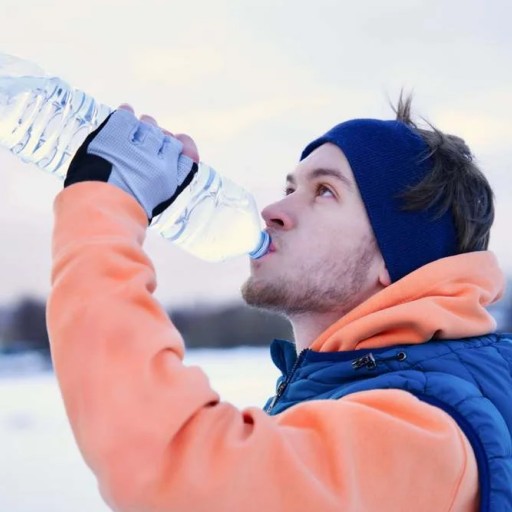
What are the problems associated with not drinking enough water?
The most intuitive effect of insufficient water intake in winter is that the skin becomes dry and even itchy and flaky. Moisture is an important ingredient in maintaining the skin barrier, and dehydration can cause the skin to lose its luster and look dull and lifeless.
In addition, with more dust in the air in winter, the human respiratory tract needs enough moisture to stay moist and prevent the mucous membranes from drying out. If moisture intake is insufficient, the throat is prone to dryness and itchiness, and even increase the risk of contracting respiratory diseases.
On the other hand, the body's metabolism in winter does not stop because of the cold, on the contrary, the right amount of water helps to maintain metabolic balance and promote digestion. If water intake is insufficient, the digestive system may become sluggish, leading to problems such as constipation and loss of appetite.
As for the circulatory system, insufficient hydration increases blood viscosity, which may aggravate cardiovascular burden and increase health risks. Therefore, drinking water in the winter is not optional, but an important habit for your overall health.
The right way to drink water in winter
First of all, the way to drink water in winter should be based on the principle of “small amount, many times”. Compared to drinking a lot of water at once, drinking water in several times and in moderation allows the body to better absorb and utilize water, and avoids rapid excretion of water in a short period of time.
If you wait until you are thirsty before you remember to drink water, it means that the body is already in a slightly dehydrated state, therefore, it is best to develop the habit of drinking water regularly, for example, drinking a small glass of water every hour.
The choice of water temperature is equally important. In winter, when the weather is cold, many people like to drink hot water or hot beverages to warm up, but water that is too hot may irritate the mucous membranes of the esophagus, which may burden the digestive system in the long run.
The ideal water temperature is lukewarm water close to body temperature, about 35-40 ℃, which can warm the body without causing irritation to the digestive system.
In addition, a glass of warm water in the morning after waking up is crucial. After a whole night of metabolism, the body is in a state of dehydration, this time a cup of warm water can not only help to wake up the body, but also promote gastrointestinal peristalsis, to help discharge the body's accumulated waste.
Drink a little water before going to bed in moderation also helps to maintain the body's water balance, but be careful not to drink too much at once, so as not to affect sleep.
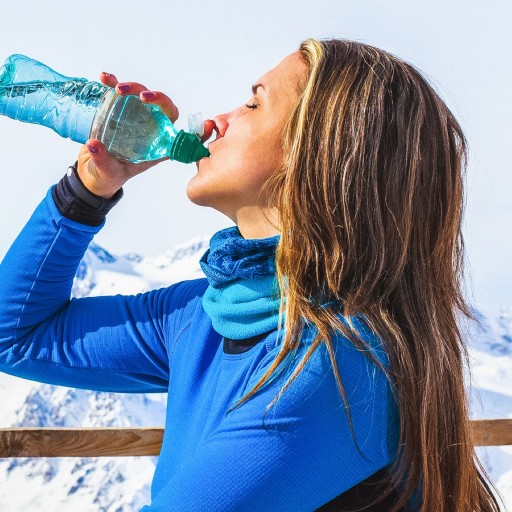
What water is healthier to drink in winter?
Although plain water is the most basic and healthy choice, many people find it too monotonous to stick to in winter. In fact, in addition to white water, you can also change the flavor appropriately, such as drinking some warm herbal tea or adding a small amount of lemon slices, ginger, etc., which can add flavor and make drinking water more interesting.
At the same time, it is also important to avoid excessive intake of sugary drinks. Many people enjoy sweetened hot beverages in winter, but excessive sugar intake may affect blood sugar stability and may also increase body weight. In contrast, it is healthier to choose light, additive-free drinks.
How to develop good winter drinking habits?
If you are a lesser water drinker, you can try to increase the amount of water you drink with a few tips. For example, you can keep a glass of water in a prominent place at home and in the office to remind yourself to hydrate regularly, or use a graduated water bottle to help keep track of the amount of water you drink each day.
In addition, incorporating daily activities, such as getting into the habit of drinking water on the go while reading, working, or watching TV, can make drinking water more natural.
Additionally, your winter diet can help with hydration. For example, eat more water-rich vegetables and fruits, such as cucumbers, tomatoes, oranges, and apples, which not only provide water for the body, but are also rich in vitamins and minerals that help boost the immune system.
Drinking soup is also a good choice, winter stews and clear soups can warm up the body, but also replenish moisture, so that the body stays moisturized in the cold season.
Drinking water in winter may seem like a small thing, but it is closely related to health. Scientific and reasonable hydration can not only keep your skin moisturized, but also maintain the body's normal metabolism, improve immunity, and reduce common winter discomforts.
As long as you develop good drinking habits, choose your drinks wisely, and pay attention to the temperature and volume of water, you can stay healthy and active in winter, making the cold season more comfortable and warm.
 1
1 1
1OTHER NEWS
-
- Hydroponic plants, gardening tips
- By LH 02 Apr,2025
-
- The natural choice for indoor air purification five high-quality greenery recommendations
- By YL 14 Mar,2025

-
- Do you know these secrets of plants?
- By LH 18 Feb,2025
-
- 15 kinds of flowers suitable for summer
- By LH 31 Mar,2025
-
- Growing For The Planet: How Sustainable Gardening Practices Can Help To Mitigate Climate Change
- By Prodosh Kundu 28 Oct,2024
-
- How Organic Gardening Supplies Can Transform Your Garden And The Environment?
- By Prodosh Kundu 28 Oct,2024

-
- How to Choose the Best Lawn and Landscaping Services for Your Home
- By Prodosh Kundu 28 Aug,2024

-
- Is the smell of mowing the grass a distress signal from plants?
- By LH 21 Feb,2025

-
- What are the most ugly plants in the gardening world?
- By LH 09 Apr,2025

-
- How do you control pests and diseases in your garden
- By YL 12 Mar,2025

-
- Have you ever seen a magical plant that can grow by drinking air?
- By LH 14 Mar,2025
-
- How terrible are carnivorous plants?
- By LH 12 Mar,2025