Warmth and Health The Science of Winter Clothing Choices
During the cold winter months, people often seek warmth and comfort when choosing clothing. However, winter clothing is not only about temperature, but also about human health, physiological regulation and environmental adaptability.
From the point of view of modern science, how to rationally match winter clothing, in order to take into account the warmth and health? This is not only an art of life, but also a science closely related to physiology, material science and climatology.
The human body's heat regulation mechanism and the need for winter warmth
Humans are thermostatic animals and their bodies regulate their body temperature through complex physiological mechanisms to adapt to different environmental temperatures.
In a cold winter, the body's core temperature needs to be maintained at around 37°C, while a decrease in external temperature will cause the body surface to dissipate heat faster, resulting in a drop in body temperature.
In order to maintain body temperature, the body will activate a variety of regulatory mechanisms, including vasoconstriction, muscle shivering and accelerated metabolism.
When the outside temperature drops, the capillaries in the surface layer of the skin constrict to minimize heat loss. However, while this mechanism can maintain core temperature for a short period of time, it may lead to poor blood circulation at the ends of the extremities, leaving hands and feet cold and even causing frostbite or other health problems.
In addition, a drop in body temperature may also affect the normal functioning of the immune system, increasing the risk of catching colds and other common winter illnesses. Therefore, sensible winter attire can maintain smooth blood circulation and a healthy state of the body while maintaining body temperature.

The effect of different materials on warmth
The core function of warm clothing is to reduce body temperature loss while maintaining comfort. The material of the clothing, however, is one of the key factors in determining its warmth-retaining performance. From traditional wool and cotton to modern technological fibers, different materials have different heat retention, breathability and moisture regulation capabilities.
Natural fibers such as wool and cashmere have excellent warmth retention due to their unique fiber structure. Wool fibers contain a large number of tiny air cavities within them, which effectively lock in air to form an insulating layer. In addition, wool absorbs moisture and keeps the skin dry, thus preventing coldness caused by dampness.
In contrast, cotton clothing is soft and breathable, but it is not easy to dry after absorbing moisture, which may lead to body cold in cold environments. Therefore, when wearing cotton clothing in winter, it is necessary to pair it with other moisture-proof materials to improve the warmth effect.
Modern technological fibers, such as polyester (polyester) and acrylic, are widely used in winter clothing because of their lightweight, warmth-retaining and easy-maintenance properties. Certain special fibers, such as moisture-absorbing heating fibers, can also improve the warmth of clothing by absorbing water vapor emitted by the human body and converting it into heat.
In addition, goose down and duck down are also high-quality warmth-retaining materials, and down garments are preferred in extremely cold environments because of their good heat storage properties. However, the warmth of down clothing is greatly affected by humidity, and the heat retention capacity may be reduced if it fails to stay dry.
The science of layering
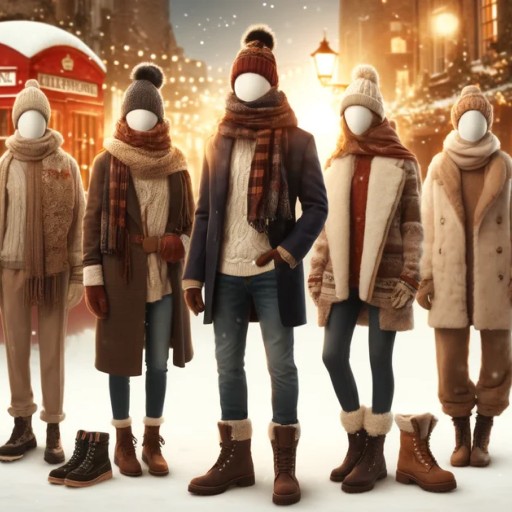
In the cold winter months, relying solely on heavy clothing is not the best option. Layering (dressing in layers) is a more scientific and sensible way to maintain warmth while regulating the air layers between clothing, improving warmth retention efficiency and adapting to different temperature changes.
Layering usually consists of a base layer (fit layer), an intermediate layer (warmth layer) and an outer layer (windproof layer).
The main function of the base layer is to wick away perspiration and keep you dry. Choosing materials with good breathability and moisture-wicking properties, such as wool or high-tech synthetic fibers, can effectively expel water vapor emitted by the body and avoid the feeling of wetness and coldness caused by sweat accumulation.
Cotton clothing, although soft, is less suitable as a winter base layer as it is difficult to drain quickly after absorbing moisture.
The main role of the middle layer is to keep you warm. Materials such as wool, cashmere, fleece and down can all be used as quality warmth layers. The key to this layer is to create an insulating air layer that allows heat to be effectively retained.
At the same time, comfort can be ensured by increasing or decreasing the thickness of the middle layer, depending on the intensity of the activity and temperature changes.
The outer layer, on the other hand, is responsible for windproofing, waterproofing and breathability, and serves as a shield against harsh weather. Cold winter winds accelerate heat loss from the body surface, so outer layers should be windproof, such as tightly woven fabrics or jackets with windproof membranes.
In addition, if you are in snowy or wet conditions, waterproofing should not be overlooked. It is worth noting that the outer layer of clothing should maintain a certain degree of breathability to prevent sweat from being unable to escape, resulting in a cold and wet interior.
The influence of color and mental conditioning on warmth
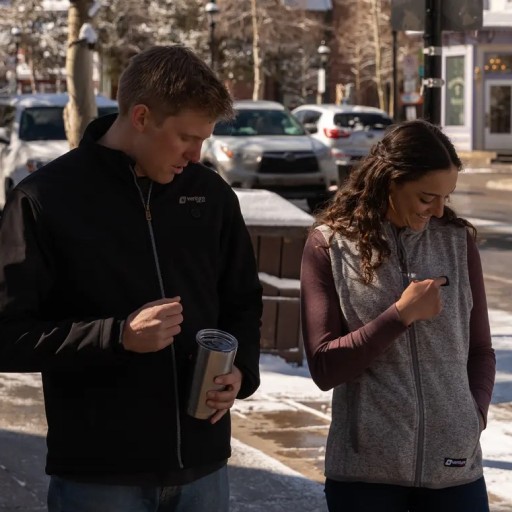
The color of clothing not only affects the aesthetics of wearing, but is also closely related to body temperature regulation. Dark-colored clothing absorbs more heat from the sun compared to light-colored clothing, which helps to raise body temperature during outdoor activities.
Therefore, on sunny winter days, wearing dark-colored clothing can help absorb heat and keep you warm. And in a cold and damp environment, light-colored clothing, while less effective in absorbing heat, may be better able to bring a sense of psychological brightness and reduce the impact of winter depression.
From a psychological point of view, winter is prone to Seasonal Affective Disorder (SAD), which is characterized by low mood and increased fatigue. Research has shown that warm-colored clothing, such as red, orange and yellow, can bring warmth and pleasant psychological cues to enhance winter vitality.
Therefore, in addition to the physical level of warmth, color choices can also affect the body's perceived temperature and psychological state to a certain extent.
Winter Dressing Considerations for Special People
Different groups of people have different dress code needs in winter. For example, because of their low basal metabolism, the elderly are less able to adapt to the cold, so they should focus on lightweight warmth and avoid excessive thickness, which can lead to mobility problems.
At the same time, the elderly should pay special attention to the warmth of the limbs when they go out, wearing hats, scarves and gloves, in order to prevent the adverse effects of cold on blood circulation.
Children have a fast metabolism, but their ability to regulate their body temperature is not yet fully developed, so they need to pay special attention to keeping warm.
Excessively thick clothing may restrict children's movement and lead to increased sweating, while sweaty clothing increases the risk of body temperature loss. Therefore, when choosing clothing for children, it is important to ensure warmth as well as breathability.
For people who work outdoors for long periods of time, such as sanitation workers and couriers, winter clothing needs to be windproof, waterproof and warm. Reasonable layering of clothing, as well as wearing windproof gloves, hats and non-slip shoes, can effectively reduce the impact of the cold on the body.
The choice of winter clothing is not only about warmth, but also about health, comfort and safety. From the human body's heat regulation mechanism to the scientific principles of clothing materials, and then layered clothing, color psychological impact and the needs of special populations, each link contains a deep scientific basis.
Properly matched winter clothing not only protects against the cold, but also improves the comfort and happiness of winter life while ensuring health.
 1
1 1
1OTHER NEWS
-
- Hydroponic plants, gardening tips
- By LH 02 Apr,2025

-
- The natural choice for indoor air purification five high-quality greenery recommendations
- By YL 14 Mar,2025

-
- Do you know these secrets of plants?
- By LH 18 Feb,2025

-
- 15 kinds of flowers suitable for summer
- By LH 31 Mar,2025

-
- Growing For The Planet: How Sustainable Gardening Practices Can Help To Mitigate Climate Change
- By Prodosh Kundu 28 Oct,2024

-
- How Organic Gardening Supplies Can Transform Your Garden And The Environment?
- By Prodosh Kundu 28 Oct,2024

-
- How to Choose the Best Lawn and Landscaping Services for Your Home
- By Prodosh Kundu 28 Aug,2024

-
- Is the smell of mowing the grass a distress signal from plants?
- By LH 21 Feb,2025

-
- What are the most ugly plants in the gardening world?
- By LH 09 Apr,2025

-
- How do you control pests and diseases in your garden
- By YL 12 Mar,2025

-
- Have you ever seen a magical plant that can grow by drinking air?
- By LH 14 Mar,2025
-
- How terrible are carnivorous plants?
- By LH 12 Mar,2025