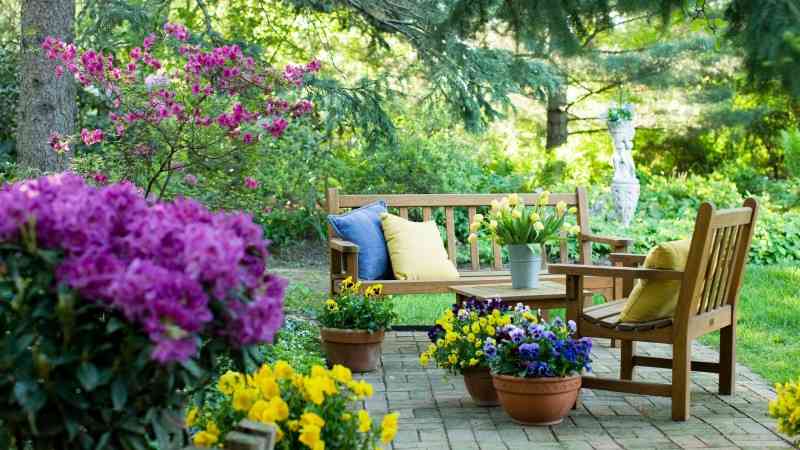
Fitness Made Easy: Recommended Low-Intensity Exercises for Seniors
With the gradual decline of physical functions as we age, seniors face unique challenges in maintaining good health. Choosing the right low-intensity exercise can effectively improve physical fitness while avoiding the risk of injury from over-exercise, and energize your life in your later years.
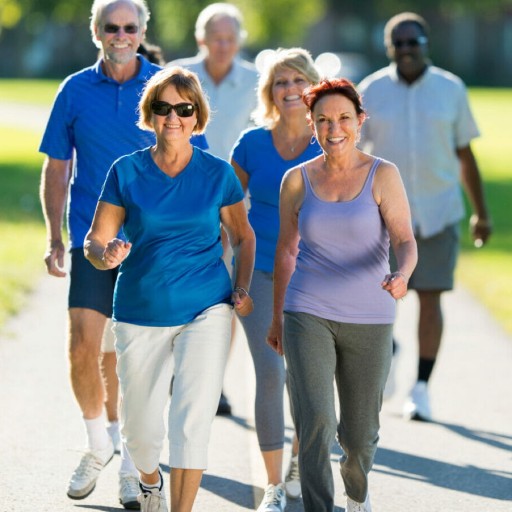
Power Walking
Whether it is a park trail in a busy city or a quiet neighborhood trail, you can always see the figure of elderly people walking. Power Walking is a kind of walking between normal walking and competitive walking, with a slightly faster speed and a bigger pace. It does not require special venues and equipment, as long as a pair of comfortable sneakers, you can start a healthy journey.
Walking can comprehensively exercise cardiorespiratory function, enhance leg muscle strength and promote metabolism. For the elderly who suffer from cardiovascular disease, diabetes and other chronic diseases, walking is very beneficial in controlling their conditions.
It is recommended to walk for more than 30 minutes a day, which can be divided into several sessions of 10 - 15 minutes each. When walking, keep your body straight, arms swinging naturally, walk at a moderate pace, and walk at a speed that allows you to talk to people normally. Central Park in New York, Griffith Park in Los Angeles, etc., are excellent places for walking.
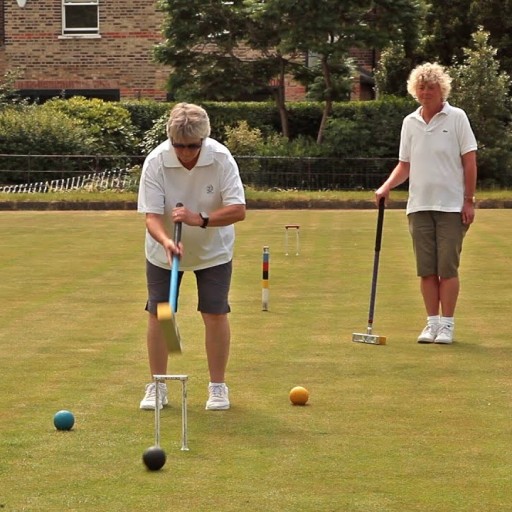
Golf Croquet
Gateball is popular in senior communities and recreational areas. It is a low-intensity sport that combines exercise, recreation and competition. The rules of the game are simple: players use a mallet to hit a small ball so that it passes through a defined goal to score points.
Gateball is a low-intensity, slow-paced sport that does not require much physical strength, making it especially suitable for the elderly. In the process of playing gateball, the elderly can not only exercise coordination and hand-eye coordination, but also communicate and interact with their peers, enriching their social life.
Many senior activity centers are equipped with gateball courts and regularly organize tournaments. American seniors can participate in gateball activities 2-3 times a week, 1-2 hours each time.
Aqua Aerobics
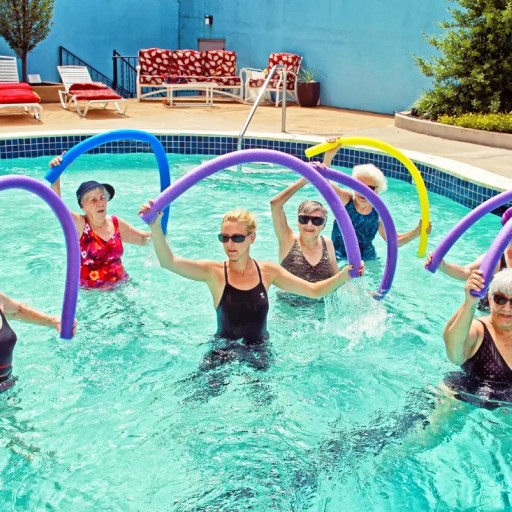
Numerous community fitness centers and swimming pools offer water aerobics classes, which are very popular with the elderly. The buoyancy of the water reduces body weight and stress on the joints, while the resistance of the water increases the intensity of the exercise.
Water aerobics includes water walking, water stretching, water jumping and other actions, which can fully exercise the muscles of the whole body and improve the flexibility and balance of the body. Water exercise is ideal for seniors with arthritis, osteoporosis and other diseases.
It is recommended to participate in 2 - 3 water aerobics classes per week, each lasting 30 - 60 minutes. Be sure to warm up before exercise, follow the instructor's guidance and pay attention to safety during exercise.
Yoga
Yoga is extremely popular among the elderly and there are many gentle yoga classes designed specifically for the elderly, which focus on simple asanas and breathing exercises, such as Easy Sit, Downward Facing Dog and Tree Pose.
Easy sitting helps seniors relax, downward dog stretches the legs and back muscles, and tree pose works on balance. Yoga can regulate the body and mind, reduce stress, and improve sleep quality through the combination of breathing and movement.
Older Americans can practice yoga 2-3 times a week for 30-45 minutes each time. When practicing, adjust the range of movement according to your own physical condition and avoid over-exertion.
Biking
With the prevalence of cycling culture, many elderly people are also keen on cycling. For the elderly, choosing a flat bike path and riding a regular leisure bike is a good low-intensity exercise.
Cycling can exercise leg muscles and enhance cardiorespiratory fitness, as well as enjoy the scenery and mood along the way. Before riding, check your bike's brakes, tires, and other components to ensure safety. Always wear a helmet and follow traffic rules.
Limit each ride to 30 - 60 minutes, and don't go too fast. Bike paths like the one near San Francisco's Nine Flowers Street have beautiful scenery and are very suitable for seniors to ride.
Pilates
Pilates emphasizes the exercise of core muscles, slow and precise movements, focusing on the body's balance, coordination and flexibility. For older people, Pilates can help them improve their posture, strengthen their abdominal, back and pelvic floor muscles, and reduce the risk of falling due to lack of muscle strength.
Many fitness studios offer Pilates classes for older adults, using simple aids such as elastic bands and yoga blocks to make the movements less difficult. It is recommended to perform Pilates exercises 2 - 3 times a week for 30 - 50 minutes each time. During the practice, focus on the coordination of breathing and movement, and feel the contraction and stretching of muscles.
Gardening
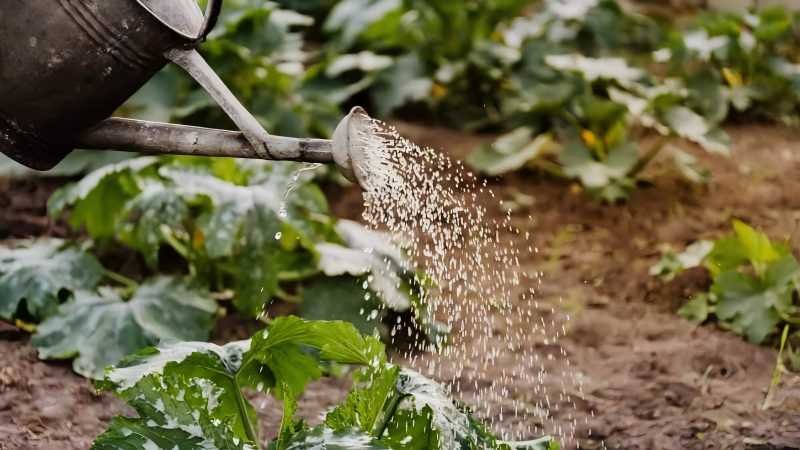
Nowadays, many families have their own yards, and gardening labor becomes a favorite activity for the elderly. Whether it is planting flowers and vegetables, or trimming branches, watering and fertilizing, it allows the elderly to get close to nature while achieving the purpose of physical exercise.
Gardening labor can exercise the muscles of the arms, shoulders, waist and legs, and improve the flexibility of the body. Moreover, being outdoors in the fresh air and enjoying the sunshine is also beneficial to mental health.
However, when performing gardening labor, it is important to avoid prolonged bending or squatting, take breaks at the right time, and use appropriate gardening tools to reduce the burden on the body.
Exercise precautions
Consult a doctor before exercising: Before starting a new exercise program, seniors must consult a doctor, especially if they suffer from chronic diseases or physical discomfort. Doctors can give professional exercise advice based on an individual's physical condition.
Warm-up and stretching: Warm-up for 5 - 10 minutes before exercise, such as joint activities, slow walking, etc., so that all parts of the body are ready for exercise; stretch for 5 - 10 minutes after exercise to help relax the muscles, reduce muscle soreness and promote recovery.
Be careful to replenish water: You should replenish water in time during exercise to avoid dehydration. Especially in hot weather, pay more attention to water intake and drink warm water in small amounts.
Choose the right time to exercise: Try to avoid exercising in high temperature, high humidity or cold weather. Choose times when the weather is favorable, such as early morning or late afternoon, when the temperature is more comfortable and can reduce the risk of weather-related discomfort.
Exercise in pairs: You can exercise with friends and family members to take care of each other and increase the fun and safety of exercise. If you feel unwell during exercise, your companion will be able to provide timely help.
For seniors, choosing low-intensity exercise that suits them and sticking to it is the key to staying healthy and enjoying life. Find a form of exercise that you love, keep your body and mind active, and start a vibrant senior life.
 1
1 1
1OTHER NEWS
-
- Growing For The Planet: How Sustainable Gardening Practices Can Help To Mitigate Climate Change
- By Prodosh Kundu 28 Oct,2024
-
- Do you know these secrets of plants?
- By LH 18 Feb,2025
-
- How do you control pests and diseases in your garden
- By YL 12 Mar,2025
-
- How Organic Gardening Supplies Can Transform Your Garden And The Environment?
- By Prodosh Kundu 28 Oct,2024
-
- How terrible are carnivorous plants?
- By LH 12 Mar,2025

-
- Sustainable Gardening Starts With Organic Supplies
- By Prodosh Kundu 28 Oct,2024
-
- The Five Best Flowers for Newbies to Keep Alive
- By MTH 14 Mar,2025
-
- 15 kinds of flowers suitable for summer
- By LH 31 Mar,2025
-
- Hydroponic plants, gardening tips
- By LH 02 Apr,2025
-
- Here’s a complete guide on what you should prepare before planting your seeds.
- By Prodosh Kundu 18 Jul,2024
-
- The natural choice for indoor air purification five high-quality greenery recommendations
- By YL 14 Mar,2025
-
- Spring is here! Give Your Garden a New Look with These Gardening Tips
- By MTH 20 Feb,2025