The Truth About Cooking Oils: What You Need to Know for Better Health
Whether you're sautéing vegetables, frying chicken, or drizzling some on a salad, cooking oil is a staple in every kitchen. But not all oils are created equal. Some are like your BFF, totally supportive of your health and all your goals, and some? They're more like that friend who always convinces you to eat pizza at 2am.
It's tempting, but is it really good for you? Some oils are better than others. But which ones should you use? Good question. We'll dive into the pros and cons of different cooking oils so you can make the best decision for your health.
Olive Oil
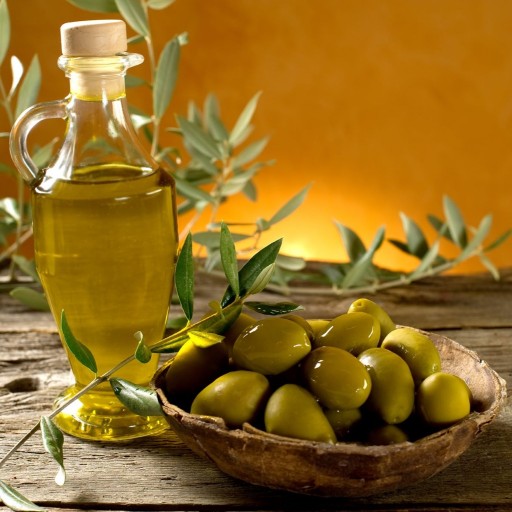
Olive oil is one of the most popular cooking oils, and for good reason: it's full of healthy monounsaturated fats that do wonders for the heart. We're talking about “good fats” that help lower bad cholesterol levels. That's right, olive oil fights like a champion for your heart health.
Olive oil is also a great source of antioxidants, which means it fights free radicals (those little buggers that cause aging and disease) and helps you feel fresh. It also has anti-inflammatory properties, so if you have joint pain or generalized inflammation, olive oil could be your best friend.
It has a lower smoke point than some other oils, which means it's not the best choice for high-heat cooking methods like frying. Use it for sautéing, drizzling on salads or making dipping sauces. But when it comes to frying, olive oil may not be your first choice unless you have a good quality extra virgin olive oil on hand.
Coconut oil
Coconut Oil. This oil reminds you of tropical beaches and pina coladas. Coconut oil is all the rage, and people rave about it for everything from cooking to skin care. But here's the thing: Coconut oil is a bit of a “no-no.” On the one hand, it has many potential health benefits, but on the other hand, it can sometimes be a health “villain” if used too much.
Coconut oil is rich in saturated fat, but it is a different kind of saturated fat than that found in animal products. Some studies have shown that coconut oil can actually raise “good” HDL cholesterol levels, which is great.
However, coconut oil can also raise “bad” LDL cholesterol levels - which is tricky. But let's not forget the benefits! Coconut oil is rich in medium-chain triglycerides (MCTs), which are said to boost metabolism and provide quick energy. It also has natural antimicrobial properties, making it good for gut health.
Coconut oil is also great for high-temperature cooking (hello, stir-frying) because it has a high smoke point, ranging from about 350°F to 400°F.In short: coconut oil is a bit controversial, but when used properly, it can add a healthy twist to your diet. Just don't overdo it.
Canola Oil
Canola oil is like that cool friend who's always willing to help but never willing to make a fuss. It has a neutral flavor that doesn't overpower dishes and is one of the most commonly used oils in cooking, especially for frying.
Canola oil is made from the seeds of the canola plant and is a good source of omega-3 fatty acids, which are essential for brain health and reducing inflammation. What are the disadvantages of canola oil? It is highly processed.
The manufacturing process includes refining, bleaching and deodorizing, which can take away some of the natural benefits of canola oil. Also, canola oil is often made from genetically modified crops, which is something to consider if you want to keep your food as natural as possible.
However, let's not be too harsh - canola oil does have some positive health benefits. It's low in saturated fat and high in omega-6 fatty acids, which are essential for heart health.
If people consume too much omega-6 fatty acids compared to omega-3 fatty acids, it can lead to inflammation and other health problems. So while canola oil is a good choice, you should try to balance it out with other oils that are higher in omega-3s.
Avocado Oil
If olive oil is the reliable friend, then avocado oil is the sassy, smooth operator that adds a little luxury to your life. You've probably seen avocado oil popping up in more and more kitchens, and for good reason - it's rich in heart-healthy monounsaturated fats, just like olive oil.
It's also rich in vitamins E and K, which are great for skin health and cell repair. But avocado oil isn't just a pretty face - it's also one of the best oils for high-temperature cooking. With a smoke point of about 500°F, avocado oil is great for grilling and frying.
So if you're looking to fancy up your grilled veggies or steaks, avocado oil is the oil for you. It also has a neutral flavor that won't steal the spotlight from the main course. The downside?
Avocado oil can be a bit pricey compared to other oils, so it may not be your everyday cooking companion. However, if you're looking for a special dish or want to treat yourself, avocado oil is definitely worth checking out.
Sunflower Seed Oil
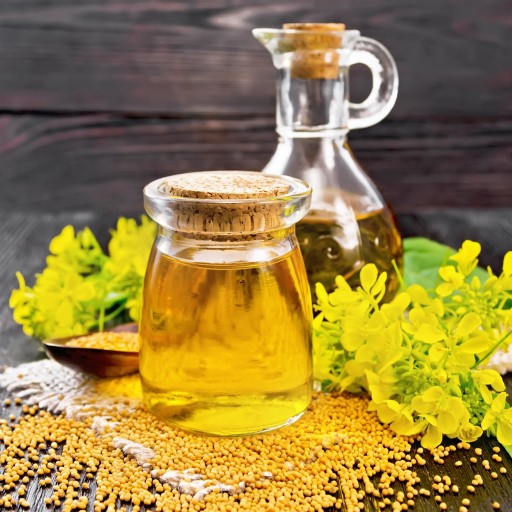
Sunflower oil is like a trusted staple in the kitchen. If you're deep-frying or stir-frying, this oil is usually the first choice because it has a high smoke point of about 450° F. Sunflower oil is light and neutral, so it won't draw too much attention to itself while you're cooking.
Sunflower oil is rich in vitamin E and other antioxidants, making it ideal for promoting healthy skin and warding off free radicals. But there's a catch: while sunflower oil is high in polyunsaturated fats, it also has a high ratio of omega-6 to omega-3.
Remember the omega-6 problem we mentioned earlier? Yes, sunflower oil causes this imbalance, and if consumed in large quantities, it can cause inflammation over time. Additionally, sunflower oil is highly processed, which can also take away from its nutritional value. Therefore, while sunflower oil is great for frying, don't make it your go-to oil for every meal.
Peanut Oil
Peanut oil is the king of frying. If you've ever had golden, crispy fried chicken or crispy French fries, it probably has something to do with peanut oil. Why? Because it has a high smoke point (about 450°F) and a neutral flavor that makes food shine.
It's also rich in heart-healthy monounsaturated fats, which is always a bonus. However, peanut oil is also relatively high in omega-6 fatty acids, which we know can cause some problems when consumed in excess. If you're allergic to peanuts (or someone in your family is), you're best off avoiding peanut oil altogether. But peanut oil is a good choice for the occasional fried food.
 1
1 1
1OTHER NEWS
-
- Do you know these secrets of plants?
- By LH 18 Feb,2025

-
- Growing For The Planet: How Sustainable Gardening Practices Can Help To Mitigate Climate Change
- By Prodosh Kundu 28 Oct,2024

-
- Is the smell of mowing the grass a distress signal from plants?
- By LH 21 Feb,2025

-
- Planting Tips: Best Indoor Plants Recommendations and Care Guide
- By MTH 18 Feb,2025

-
- Sustainable Gardening Starts With Organic Supplies
- By Prodosh Kundu 28 Oct,2024

-
- Hydroponic plants, gardening tips
- By LH 02 Apr,2025

-
- How to Choose the Best Lawn and Landscaping Services for Your Home
- By Prodosh Kundu 28 Aug,2024

-
- The natural choice for indoor air purification five high-quality greenery recommendations
- By YL 14 Mar,2025

-
- What are the most ugly plants in the gardening world?
- By LH 09 Apr,2025

-
- 15 kinds of flowers suitable for summer
- By LH 31 Mar,2025

-
- Have you ever seen a magical plant that can grow by drinking air?
- By LH 14 Mar,2025

-
- From planting to caring for flowers that bloom forever
- By MTH 10 Mar,2025