How to prevent credit card fraud?
Credit cards are a common payment tool in our daily lives, but as they are used more frequently, credit card fraud is becoming more common.
Whether in shopping, traveling or daily consumption, we may encounter a variety of fraudulent methods. So, how to effectively prevent credit card fraud? In this article, we will provide you with practical tips and advice from a variety of perspectives to help you protect personal information and financial security.
What is credit card fraud?
Credit card fraud refers to illegal elements through illegal means to obtain your credit card information, and then carry out illegal transactions or theft. There are many different types of fraud, ranging from the traditional theft of physical credit card cards to obtaining personal information through the Internet and telephone.
These scammers often disguise themselves as regular merchants or banks to bring you psychological relief and may even create an emergency situation to entice you to provide personal information.
Common credit card scams include:
Phishing websites: Scammers trick you into entering your credit card information by faking websites that look exactly like your bank's official website.
Phone scams: Fraudsters pose as bank staff or customer service, claiming that there is an anomaly in your account and asking for your credit card information.
SMS/email fraud: By sending fake bank SMS or emails, you are asked to click on a link and enter your account information.
POS swipe theft: Some merchants' POS machines are installed with skimming programs that secretly record credit card information when you swipe your card.
Information leakage: Crooks obtain your credit card information through data leakage, hacking and other means.
These frauds are often elaborate, and there are endless ways for crooks to do this, so we must remain vigilant to understand the common ways of fraud and learn how to deal with them.
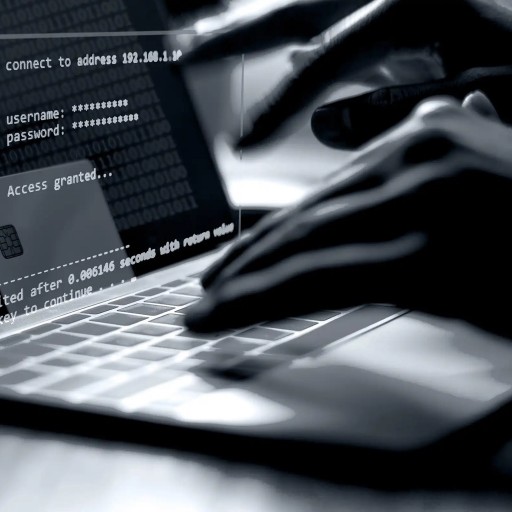
Common signs of credit card fraud
Inexplicable text messages, emails or phone calls: If you receive a call from a person claiming to be from a bank, or receive a text message or email that looks like it's from a bank and asks you to provide personal information, be careful. These types of messages are likely to be sent by fraudsters by pretending to be from a bank.
Unfamiliar transaction records: If you find credit card statements with records of purchases you haven't made, especially at certain places or websites you've never been to, it's highly likely that your credit card has been stolen.
Suddenly receive credit card freezing or abnormal prompts: Fraudsters often pretend to be banks or credit card companies and ask you to provide sensitive information under the pretext of “account abnormalities”. If you encounter this situation, it is best to take the initiative to call the bank's customer service phone number to verify, rather than responding to text messages or phone calls.
Links and attachments from unknown sources: Fraudsters often obtain personal information through phishing links. If you receive a link from an unknown number or a file attached to an email that looks suspicious, don't click on it easily.
How to protect your credit card information
Regularly check your credit card statements: Check your credit card statements every month for any unexplained purchases. Pay special attention to any transactions that you have not made. If you find any problems, contact your card-issuing bank immediately to deal with them.
Use complex passwords and double authentication: Many credit card companies now offer double authentication for online transactions, such as SMS verification codes or app authentication. Enabling this feature can greatly reduce the risk of skimming. Also, set a strong password and do not use simple numbers or birthdays as passwords.
Avoid making payments on public Wi-Fi: Avoid making any credit card-related transactions when using free Wi-Fi in public places such as cafes and airports. Public Wi-Fi is often insecure and can be easily hacked to steal sensitive information you enter.
Be vigilant in recognizing fraudulent emails and phone calls: If you receive a call from your bank or credit card company, do not provide any personal information directly.
Legitimate bank staff will usually not ask you to provide sensitive information such as passwords and card numbers over the phone or via text message. If you encounter similar requests, hang up the phone directly and call the bank's official customer service number for confirmation.
Enable transaction alerts: Most banks and credit card companies offer transaction alert services. You can set up to receive notification of each purchase via SMS or email. If you notice any unusual transactions, you can take prompt action.
Store credit card information securely: Don't just write down your credit card information on paper or keep it in an unsecured place. If you must save information on your computer or cell phone, make sure you use encrypted storage. Avoid storing credit card information on unknown or untrusted merchant websites.
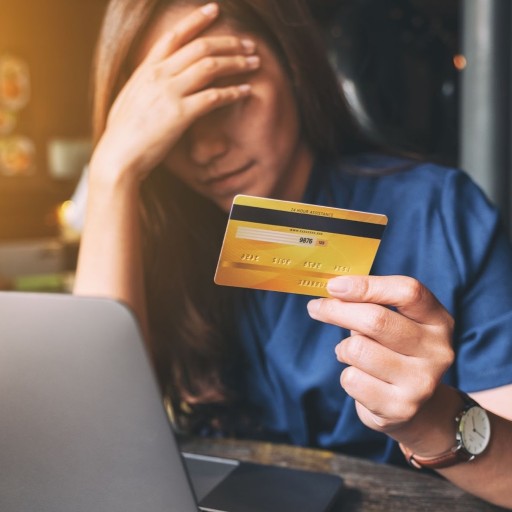
What should I do if I encounter credit card fraud?
Even if we are careful to protect our credit card information, we cannot rule out the risk of fraud. In the unfortunate event of credit card fraud, here are the emergency measures you need to take:
Freeze your credit card immediately: If you notice that your credit card has been stolen, or if you receive an alert from your credit card company about an unusual transaction, contact your credit card issuing bank to freeze the card at the first opportunity. The bank will stop your card transactions to prevent further losses.
Report to the bank and request an investigation: Report the credit card theft to the bank and ask the bank to initiate the investigation process. The bank will usually ask you to provide relevant evidence or transaction records and complete the investigation within a certain period of time.
Report to the police: If the amount of money stolen from your credit card is large, or if you think you have experienced serious fraud, you can report the case to the police. The police will investigate your report and help track down the fraudster.
Apply for credit card fraud insurance: Some credit card companies offer credit card fraud insurance to their users. If you purchase this type of insurance, the bank may be able to compensate you for a certain amount of loss after verifying the fraud.
Monitor your credit report: After a credit card fraud, you can regularly monitor your credit report for any new credit card applications or loan history. Credit card fraud can sometimes lead to theft of personal information and even affect your credit.
Credit card fraud is becoming more and more sophisticated, but as long as we are vigilant and have some basic prevention skills, we can greatly reduce the risk of becoming a victim of fraud.
Not only do we need to protect our credit card information, but we also need to learn to recognize the common signs of fraud and take timely action when we encounter problems. If you accidentally experience fraud, remember to contact your bank and the police at the first opportunity in order to minimize your losses.
In conclusion, the key to preventing credit card fraud is to be vigilant, keep your information secure and take timely action. We hope that everyone can enjoy the convenience of payment while protecting their financial security and avoiding becoming a victim of unscrupulous elements.
 1
1 1
1OTHER NEWS
-
- Do you know these secrets of plants?
- By LH 18 Feb,2025

-
- Growing For The Planet: How Sustainable Gardening Practices Can Help To Mitigate Climate Change
- By Prodosh Kundu 28 Oct,2024

-
- Is the smell of mowing the grass a distress signal from plants?
- By LH 21 Feb,2025

-
- Planting Tips: Best Indoor Plants Recommendations and Care Guide
- By MTH 18 Feb,2025

-
- Sustainable Gardening Starts With Organic Supplies
- By Prodosh Kundu 28 Oct,2024

-
- Hydroponic plants, gardening tips
- By LH 02 Apr,2025

-
- How to Choose the Best Lawn and Landscaping Services for Your Home
- By Prodosh Kundu 28 Aug,2024

-
- The natural choice for indoor air purification five high-quality greenery recommendations
- By YL 14 Mar,2025

-
- What are the most ugly plants in the gardening world?
- By LH 09 Apr,2025

-
- 15 kinds of flowers suitable for summer
- By LH 31 Mar,2025

-
- Have you ever seen a magical plant that can grow by drinking air?
- By LH 14 Mar,2025

-
- From planting to caring for flowers that bloom forever
- By MTH 10 Mar,2025