Stay Up Late Party Must Read: Which Hurts the Most, Sleeping Little or Sleeping Late?
Do you often stay up late because of work, study, chasing dramas, playing games, or even playing with your phone and not wanting to go to bed? Or do you think that as long as you make up for the sleep time, sleeping late will not be harmful to your health? Then the question is: Which is more harmful to the body, sleeping less or sleeping late
This is one of the most entangled issues for those who stay up late. Some people think that "sleeping less" will lead to lack of energy, while others think that "sleeping late" will disrupt the biological clock. So, what is the scientific answer? Today, let's uncover this "sleep puzzle" that affects health!
Which is more harmful to the body, sleeping less VS. sleeping late?
Before answering this question, we need to make it clear that the quality, duration and time of sleep will affect your health! This means that whether it is "sleeping less" or "sleeping late", it will cause different degrees of harm to the body.
However, if you have to choose between the two, the harm of sleeping late is greater than simply sleeping less! Why do you say that? Let's break it down one by one.
Sleeping less: Let the body "spend more than it takes in"
The most direct impact of insufficient sleep is that the body's "battery" is quickly depleted. Imagine that your body is like a mobile phone. If you only charge 30% of the battery every day, can you still expect it to operate normally?
The effects of long-term lack of sleep include:
Slower brain response: reduced learning and memory ability, difficulty concentrating.
Reduced immunity: more prone to colds, increased risk of infection.
Endocrine disorders: affect hormone secretion, easily lead to obesity, diabetes and other problems.
Increased risk of cardiovascular disease: long-term lack of sleep will lead to a higher risk of high blood pressure and heart disease.
Mood swings: irritability, anxiety, and depression will worsen.
If you only lack sleep occasionally, your body can still recover by catching up on sleep. But if you don't sleep enough for a long time (less than 6 hours a day), health problems will gradually appear, and even cause more serious diseases.
However, although sleeping less is harmful to the body, its impact is still slightly smaller than that of staying up late for a long time.
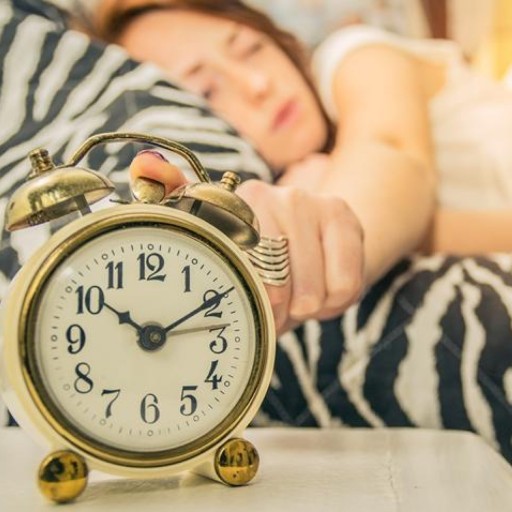
Sleeping late: Completely disrupting the biological clock, the harm is more terrible!
If "sleeping less" is like keeping the body's battery power low, then "sleeping late" is directly destroying the battery, and even the charging function will have problems! Because our body follows an important biological clock (circadian rhythm), which regulates hormone secretion, metabolism and immune system. If you always sleep too late, this system will be completely disrupted.
The terrible consequences of staying up late for a long time include:
Affecting melatonin secretion and reduced sleep quality
Melatonin is an important hormone that helps the human body enter deep sleep. It is secreted most vigorously from 10 pm to 2 am. If you haven't fallen asleep at this time, melatonin secretion will decrease, and it will be difficult to enter high-quality deep sleep even if you make up for sleep. In the long run, the body will become more and more tired.
Internal organs cannot be repaired, affecting metabolism
11 pm to 3 am is the golden time for liver and gallbladder detoxification and repair. If you always stay up late, the liver cannot be fully repaired, which will affect the detoxification function in the long run, the skin will deteriorate, and dark circles, acne, and dullness will all come to the door!
Increase the risk of chronic diseases and shorten life span
Studies have found that people who stay up late for a long time have a higher incidence of heart disease, diabetes, and cancer than those who have a normal schedule, and even have a shorter average life span. Because staying up late will increase chronic inflammation, keep the body in a "sub-healthy" state for a long time, and over time it will cause various diseases.
Emotional loss of control, increased risk of depression
Do you find yourself easily irritable, depressed, or even "sad" to the point of not wanting to move after staying up late? This is not an illusion! Staying up late will affect the secretion of neurotransmitters such as dopamine and serotonin, leading to increased anxiety and depression. People who stay up late for a long time are twice as likely to suffer from depression as those who have a normal schedule!
So, here comes the conclusion!
The harm of going to bed late is more serious than sleeping less!
Of course, this does not mean that you can reduce your sleep time at will. If you both go to bed late and sleep less, the damage to your body is a "double crit"! The most ideal state is to go to bed early and get enough sleep (7-9 hours).
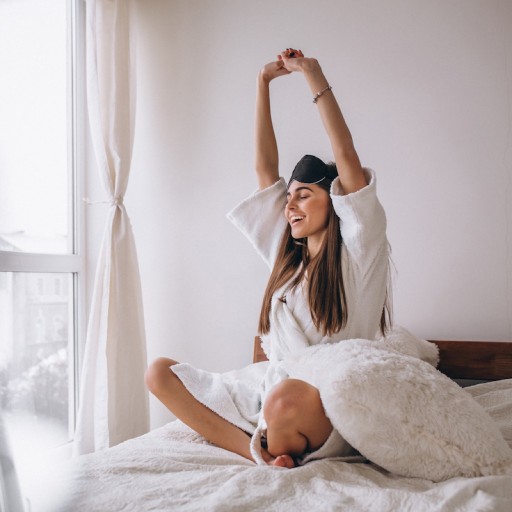
Sleeping less vs. sleeping late, which one is more damaging to the skin?
Sleeping less: dull, dry skin, acne!
Many people have heard of the term "beauty sleep", and it really exists! The human body's skin repair and collagen production mainly take place from 10 pm to 2 am. If you sleep too little, the skin will lose the opportunity to repair itself, resulting in a dull, dry complexion, increased fine lines, and even accelerated aging.
In addition, lack of sleep will also affect hormone secretion, leading to an imbalance in oil secretion, a surge in acne, and a sharp decline in skin condition!
Sleeping late: skin damage + dark circles deepen!
Staying up late is more harmful to the skin than lack of sleep. Sleeping late will increase free radicals in the body, accelerate skin aging, make your skin looser, your pores larger, and even make your skin more prone to spots and sensitive symptoms.
The most obvious example is: dark circles worsen! Going to bed late can lead to poor blood circulation, dilation of blood vessels around the eyes, and the formation of dark circles that are difficult to fade, which cannot be completely eliminated even if you sleep enough.
The second round of victory or defeat:
Going to bed late is more damaging to the skin than sleeping less. People who stay up late for a long time are more likely to have worse skin conditions, especially dark circles, wrinkles, and dullness.
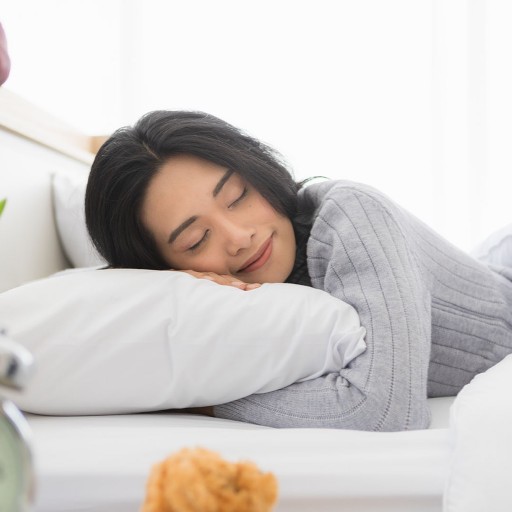
How to get rid of staying up late and restore a healthy work and rest routine?
If you are used to staying up late, how should you adjust? Here are a few practical methods to help you get back on track!
Adjust your work and rest routine step by step: If you are used to going to bed at 2 a.m., you can gradually advance it by half an hour until you fall asleep around 11 a.m.
Reduce the use of electronic products before going to bed: Blue light will inhibit the secretion of melatonin. It is recommended to put down your mobile phone and computer 1 hour before going to bed, read more books or listen to light music.
Set a fixed bedtime: Go to bed at a fixed time every day to cultivate your biological clock, and try to keep it consistent whether it is weekdays or weekends.
Create a good sleeping environment: Keep the room dim and quiet, the mattress and pillow comfortable, and the temperature appropriate to help you fall asleep quickly.
Sunbathe during the day to enhance the circadian rhythm: Appropriate sunbathing during the day helps adjust the biological clock and makes it easier for you to fall asleep at night.
Conclusion
Staying up late is indeed "cool", but the consequences it brings cannot be ignored. Compared with sleeping less, sleeping late is more harmful because it not only affects the quality of sleep, but also destroys the biological clock and increases various health risks. For longer-term health and more energy, adjust your work and rest schedule early!
Your body will not lie to you, it will use your health status to tell you: It's time to get a good night's sleep!
 1
1 1
1OTHER NEWS
-
- Hydroponic plants, gardening tips
- By LH 02 Apr,2025
-
- The natural choice for indoor air purification five high-quality greenery recommendations
- By YL 14 Mar,2025

-
- Do you know these secrets of plants?
- By LH 18 Feb,2025

-
- 15 kinds of flowers suitable for summer
- By LH 31 Mar,2025

-
- Growing For The Planet: How Sustainable Gardening Practices Can Help To Mitigate Climate Change
- By Prodosh Kundu 28 Oct,2024
-
- How Organic Gardening Supplies Can Transform Your Garden And The Environment?
- By Prodosh Kundu 28 Oct,2024

-
- How to Choose the Best Lawn and Landscaping Services for Your Home
- By Prodosh Kundu 28 Aug,2024

-
- Is the smell of mowing the grass a distress signal from plants?
- By LH 21 Feb,2025
-
- What are the most ugly plants in the gardening world?
- By LH 09 Apr,2025

-
- How do you control pests and diseases in your garden
- By YL 12 Mar,2025

-
- Have you ever seen a magical plant that can grow by drinking air?
- By LH 14 Mar,2025

-
- How terrible are carnivorous plants?
- By LH 12 Mar,2025