Eating in Italy is more than just filling your stomach!
If you want to say which country is the best at eating, Italy is definitely on the list. Not that they eat especially expensive, but they take every meal as a kind of enjoyment, and even a “philosophy of life”.
In Italy, food is not for posing for pictures, nor is it for carding, but for the entire rhythm from the time you wake up in the morning to the time you have a drink late at night - every step of the way is inseparable from eating.
It's not an exaggeration to say that half of the memories of those who traveled to Italy may be related to food. You may not be able to remember the names of the museums, but you won't be able to forget a bite of rich gelato on the street or an unexpected meal of artisanal pizza.
History from the Kitchen: Italy's Gastronomic Culture
The Italians' seriousness about food is rooted in history. Over the millennia, the country has experienced the splendor of the Roman Empire, the wars of the Middle Ages, and was one of the first countries in Europe to come into contact with the ingredients of the New World.
For example, tomatoes, corn, and potatoes, which are so common in today's Italian cuisine, were unheard of a few hundred years ago. But once they appeared on the table, they immediately figured out how to make the most authentic and delicious.
When it comes to Italian cuisine, it is not strictly categorized like Chinese food, which has eight major cuisines, but they also have a very strong “regional division of labor”. The north likes to use cream, cheese and butter, and the flavor is strong; the south prefers olive oil, tomato and seafood, and the taste is more refreshing.
So the Italian food you eat in Milan is completely different from what you eat in Naples. Even each town has its own “family recipe”, which is one of the most fascinating things about Italian food - there are so many variations, but each one is made by someone who is serious about what they do.
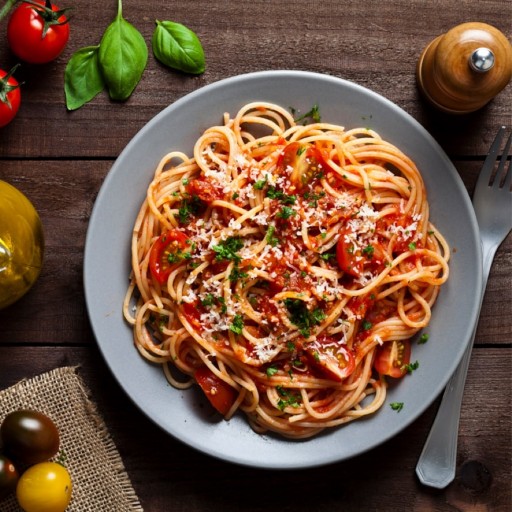
When it comes to food, you can't go wrong with these Italian classics!
Let's start by talking about a few classics that you may have eaten in the U.S. or elsewhere, but you won't really get the hang of until you eat them in Italy:
Pizza
You think pizza is just fast food? In Italy, it's a real star, especially in Naples in the south. The pizza is made with a thin crust, tart tomato sauce, fresh mozzarella, and the classic toppings - just two or three, no more, no less. One bite, the edges are slightly crispy, the center is soft, and the taste is something you can't get at a chain pizzeria.
Pasta
There are so many different kinds of pasta that you can't even count them all: thin, flat, hollow, spiral, and shell-shaped - just the pasta alone is enough for a year's worth of fun. Add a variety of sauces: cream of mushroom, beef tomato, green sauce, garlic olive oil ......
The combination is a culinary jigsaw puzzle. Many Italian families make their pasta “by hand”, which makes it very al dente.
Risotto
Risotto is one of the most famous dishes of the north. Italian risotto is not a soft rice porridge, but is made from a special short rice that is sautéed and then slowly simmered in a broth, with a distinctive grainy texture. The most classic is “Milanese golden risotto”, which is flavored with saffron and has a warm aroma.
Tiramisu
The name of this dessert means “take me away,” which is as romantic as it sounds. The recipe is simple but stunning - finger cookies soaked in espresso and sandwiched between light mascarpone cheese and cocoa powder, which melts in your mouth. A really good tiramisu is not too sweet, with just the right interplay of coffee flavor and creaminess.
Gelato
This is not your average gelato. Italian Gelato is creamier, less sugary, smoother, and made fresh every day. In Italy, you can find a gelato store on every street corner, and with over a dozen flavors to choose from, we recommend trying the pistachio, dark chocolate, and lemon flavors, which are sure to get you hooked.
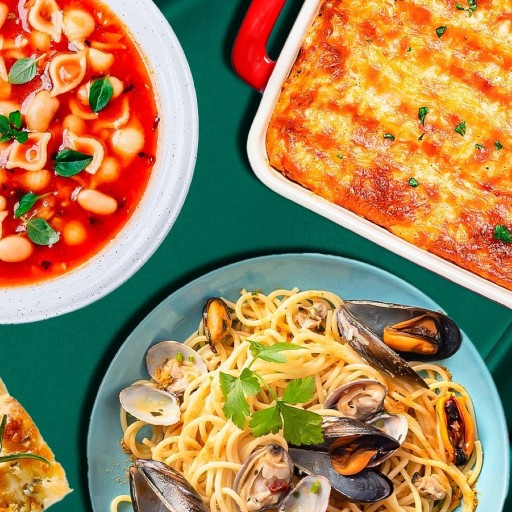
Table manners and “mealtime”, you may need to get used to it!
In Italy, meals are eaten in a very particular order and time. Lunch is usually served between 12:30 and 2:00, and dinner is served even later, after 7:30 or even 8:00 pm. Most restaurants close their doors after 2pm and reopen just before dinner, so if you want to eat a proper meal during this time, you'll have to find a cafe to sit in.
A “formal” Italian meal can take up to two hours to complete, from appetizer to main course to dessert, plus coffee and after-dinner drinks. No one is in a hurry, everyone is chatting, savoring and enjoying life while eating.
There are also some small rules when ordering, for example, Latte they only drink at breakfast, after dinner if you order a “milky” coffee, the waiter will give you a “are you OK? And when ordering water, be sure to specify whether you want gassata or naturale.
Italian festivals and food are inseparable
There are many festivals in Italy that are directly related to eating, such as:
Easter (Pasqua): at this time of year families make a dove-shaped sweet bread called “Colomba” and large eggs made of chocolate with small gifts hidden inside.
Christmas (Natale): the highlight is the Feast of the Seven Fishes, especially in the south, where seven seafood dishes are eaten on Christmas Eve and no meat is allowed.
Carnevale: A Halloween-like costume festival with fried doughnuts, cream puffs, and crunchy sugar cookies in the streets, a favorite among children.
In addition to national festivals, many cities also have their own “food festivals”, such as a specific cheese, ham, wine, and a few days of eating and drinking every year. If you visit during these times, you can definitely experience the most original “How Italians Eat”.
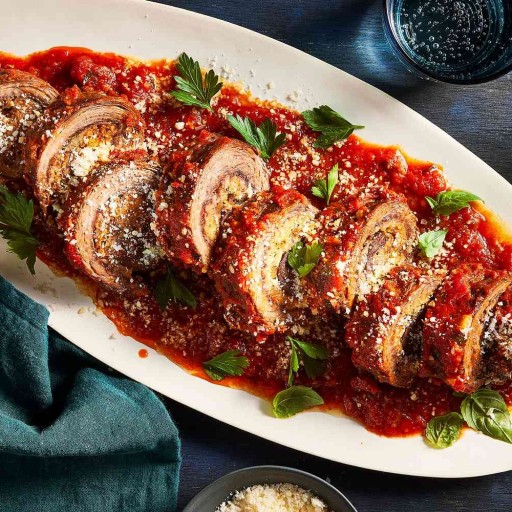
Tips: Things you need to know when eating in Italy
Don't be in a hurry to order the “American” version: when you order a pepperoni pizza in Italy, you will get a pepperoni pizza, not a pepperoni pizza as you might think, but a salame piccante. It has to be called “salame piccante”.
Packing culture is not popular: Italians seldom take their leftovers with them, and restaurants usually don't offer packing service, so if you want to pack, you have to ask for it.
Tipping is not mandatory: if the bill includes a service charge of “coperto” or “servizio”, it is usually not necessary to tip. However, if the service is particularly good, no one will refuse to leave a couple of euros.
Don't rush: Italians are slow cooks and even slower eaters, so it may take a little longer for the food to be served in a restaurant, but this is actually part of their custom.
Don't rush, don't hurry, just take your time and wait.
In the end, Italian food is not only good taste, but also an attitude to life. There, eating is not about living, but living is about eating happily. There is a story behind every dish, and every flavor hides history and feelings.
So the next time you have the opportunity to go to Italy, remember not to walk around to catch up with the trip, slow down, find a small street-side restaurant to sit down, order a local specialties, eat while looking at the street scene, or and the boss to talk a couple of sentences about the difference between cheese and flour.
At this moment, you will really experience the essence of “eating in Italy”.
 1
1 1
1OTHER NEWS
-
- Sustainable Gardening Starts With Organic Supplies
- By Prodosh Kundu 28 Oct,2024
-
- From planting to caring for flowers that bloom forever
- By MTH 10 Mar,2025

-
- Growing For The Planet: How Sustainable Gardening Practices Can Help To Mitigate Climate Change
- By Prodosh Kundu 28 Oct,2024
-
- How terrible are carnivorous plants?
- By LH 12 Mar,2025

-
- The Five Best Flowers for Newbies to Keep Alive
- By MTH 14 Mar,2025

-
- Hydroponic plants, gardening tips
- By LH 02 Apr,2025

-
- Planting Tips: Best Indoor Plants Recommendations and Care Guide
- By MTH 18 Feb,2025

-
- Is the smell of mowing the grass a distress signal from plants?
- By LH 21 Feb,2025

-
- The natural choice for indoor air purification five high-quality greenery recommendations
- By YL 14 Mar,2025

-
- How do you control pests and diseases in your garden
- By YL 12 Mar,2025

-
- How Organic Gardening Supplies Can Transform Your Garden And The Environment?
- By Prodosh Kundu 28 Oct,2024

-
- How to Choose the Best Lawn and Landscaping Services for Your Home
- By Prodosh Kundu 28 Aug,2024