How to lower cholesterol through diet
Modern people pay more and more attention to health, and the word cholesterol has gradually come from the mouth of doctors into the daily conversation. High cholesterol is no longer a “health hazard” for the elderly, but many young people are beginning to suffer from it as well.
We all know that high cholesterol increases the risk of cardiovascular diseases, such as coronary heart disease, atherosclerosis and stroke. So is there any way to regulate cholesterol naturally and gently? Diet, for one, is the most trustworthy link.
Cholesterol is an essential lipid that plays a key role in the structure of cell membranes, hormone synthesis, and vitamin D production. It comes partly from the body's own synthesis and partly from the food we consume every day. Precisely because diet occupies the key gateway to cholesterol control, it is both safe and effective to start making adjustments with diet.
First, recognizing the types of fat is the first step in managing cholesterol. Not all fats raise cholesterol. Saturated fat is the main “bad guy” and is found mainly in animal fats such as fatty meats, butter, full-fat dairy products and certain processed foods.
When consumed in excess, it stimulates the body to synthesize LDL cholesterol, commonly known as “bad cholesterol,” which increases the risk of clogged arteries.
Unsaturated fats, especially monounsaturated fats and polyunsaturated fats, on the other hand, are healthier choices that can boost levels of “good cholesterol” (HDL) while helping to remove excess bad cholesterol from the body.
Vegetable oils such as olive, sunflower and canola, nuts such as walnuts and almonds, and fish such as salmon and mackerel are rich in beneficial fats and are ideal partners at the table.
Fiber plays an equally important role in the diet, especially soluble fiber. This fiber binds to bile acids and helps to flush them out of the body, thus prompting the body to use more cholesterol to make new bile acids. In the long run, cholesterol levels in the blood are lowered.
Foods rich in soluble fiber include oats, beans, apples, carrots, groundnuts and barley. Not only that, but these types of foods also stabilize blood sugar, help maintain intestinal health, and indirectly help with weight control.
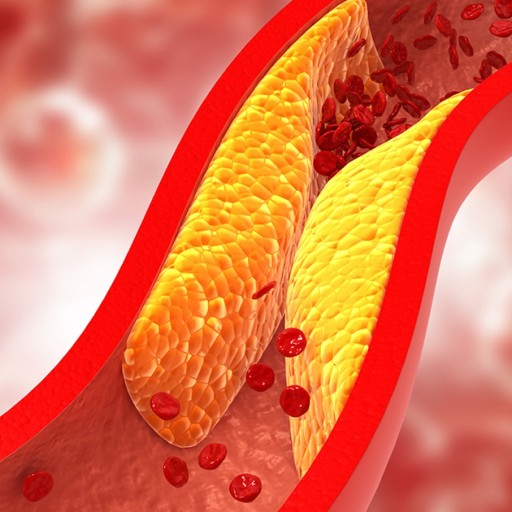
Speaking of beans, they are a “star food” in their own right for regulating cholesterol. Tofu, soybeans, black beans, chickpeas, etc. are rich in plant protein, which is an excellent substitute for meat. Studies have shown that replacing some animal protein with soy products can significantly lower total and bad cholesterol levels.
Beans also contain phytosterols, which are natural components that are structurally similar to cholesterol and compete with cholesterol for absorption in the intestines, thus reducing cholesterol intake.
The benefits of vegetables and fruits need no elaboration; they are low in calories, low in fat, high in fiber, and rich in a variety of antioxidant components and plant compounds. These natural substances not only scavenge free radicals, but also help blood vessels remain elastic and inhibit the process of cholesterol oxidation from occurring.
And oxidized bad cholesterol is the culprit of atherosclerosis. It is recommended to adopt more rainbow diet principles in your daily dinner plate, choosing fruits and vegetables of different colors, such as purple eggplant, green spinach, red tomato, orange pumpkin, etc., which are not only nutritious and balanced, but also mobilize the diversity of taste buds.
Whole grains such as brown rice, whole grain bread, oatmeal, etc. are an important part of a modern healthy diet. Compared to refined starches (such as white rice and white flour), whole grains retain the original germ and bran of grains, and contain more dietary fiber, vitamin B complex, and minerals.
These ingredients help to slow down the rate of cholesterol absorption and maintain intestinal motility, reducing the retention of lipids in the body.
In controlling cholesterol, limiting sugar intake should not be overlooked as well. Many people think that cholesterol is only related to fat, but ignore the hidden dangers of a diet high in sugar.
Excessive sugar intake increases the burden of fat and cholesterol synthesis by the liver, which in turn leads to a rise in triglycerides, another risk factor for cardiovascular disease. Avoiding sugary drinks, elaborate desserts, and processed snacks is the basic bottom line of a healthy diet.
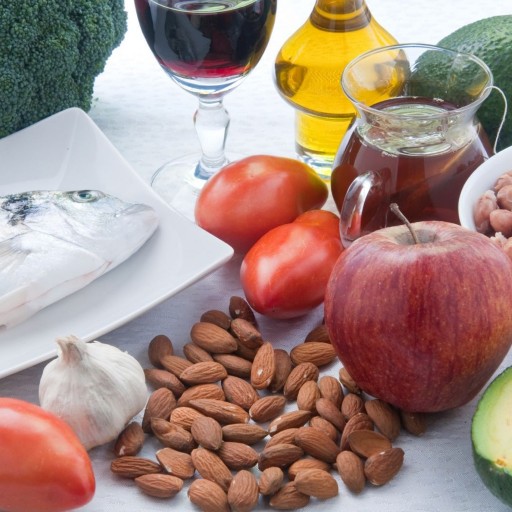
Dietary adjustments should also focus on meal style and frequency. Binge eating tends to cause a sharp rise in blood lipids, while regular meals can help maintain the body's metabolic rhythm. Moderately controlling the total calories of each meal and arranging appropriate fiber-rich snacks, such as a handful of nuts or a banana, between meals can also help keep blood lipids stable.
In addition to the choice of food itself, the way it is cooked also determines the fate of cholesterol. High-temperature frying, thick sauces and heavy seasonings not only increase fat intake, but may also produce substances that are detrimental to cardiovascular health.
Steaming, boiling, stewing, chilling and other light methods are recommended to preserve the original flavor of the ingredients and reduce the burden on the body.
An often overlooked but extremely important factor in the overall dietary strategy is water intake. Keeping the body well hydrated helps metabolize waste and fat, and is also key to maintaining liver function. Maintaining adequate water intake on a daily basis will help the body metabolize and eliminate lipids more smoothly.
If you think of diet as a long-term investment, then a cholesterol-lowering diet is sound savings for cardiovascular health. It doesn't rely on aggressive dieting or elaborate formulas, but rather stems from mindful choices at every meal. Slowly, you will realize that changes at the table not only lower cholesterol quietly, but also gradually restore the body to its natural harmony.
Healthy eating is not a momentary attempt, but a habit. Why don't you start today to reacquaint yourself with each and every food on your plate, and let them become the gentle force that cares for your heart and nourishes your life. Day by day, you will have a lighter, more at ease version of yourself, and it all starts with a shift in diet!
 1
1 1
1OTHER NEWS
-
- Sustainable Gardening Starts With Organic Supplies
- By Prodosh Kundu 28 Oct,2024

-
- From planting to caring for flowers that bloom forever
- By MTH 10 Mar,2025

-
- Growing For The Planet: How Sustainable Gardening Practices Can Help To Mitigate Climate Change
- By Prodosh Kundu 28 Oct,2024

-
- How terrible are carnivorous plants?
- By LH 12 Mar,2025

-
- The Five Best Flowers for Newbies to Keep Alive
- By MTH 14 Mar,2025

-
- Hydroponic plants, gardening tips
- By LH 02 Apr,2025
-
- Planting Tips: Best Indoor Plants Recommendations and Care Guide
- By MTH 18 Feb,2025

-
- Is the smell of mowing the grass a distress signal from plants?
- By LH 21 Feb,2025

-
- The natural choice for indoor air purification five high-quality greenery recommendations
- By YL 14 Mar,2025

-
- How do you control pests and diseases in your garden
- By YL 12 Mar,2025

-
- How Organic Gardening Supplies Can Transform Your Garden And The Environment?
- By Prodosh Kundu 28 Oct,2024
-
- How to Choose the Best Lawn and Landscaping Services for Your Home
- By Prodosh Kundu 28 Aug,2024