How difficult is it to quit smoking Scientific methods help you successfully get rid of your addiction to smoking
Among many health challenges, quitting smoking is undoubtedly the most difficult and most struggling one. Many smokers have repeatedly wandered on the road of "quitting smoking". They have made up their minds, but they are pulled back to the starting point again and again by the temptation of relapse.
Why is the addiction to smoking so stubborn? It is not only a physiological dependence, but also a multi-level entanglement of psychology, behavior, and sociality.
Addiction to smoking is not only a "habit", but also a "brain chemical reaction"
Many people think that smoking is just a habit. In fact, this "habit" has long been rooted in the brain's neural circuits. Nicotine, the main addictive substance in tobacco, will quickly penetrate the blood-brain barrier, stimulate the brain to release dopamine, and make people feel short-term pleasure and satisfaction.
The pleasure caused by this chemical stimulation will form a strong positive feedback system, thereby inducing the brain to constantly crave the next cigarette.
After long-term smoking, the brain will adjust its neural conduction mechanism to adapt to the continuous input of nicotine. Once you stop smoking, these mechanisms will be disrupted, causing withdrawal reactions such as irritability, anxiety, lack of concentration, depression, and even mild physical discomfort.
This is why quitting smoking often makes people "painful" - it is not because of a lack of willpower, but because the brain is physiologically "craving" nicotine.
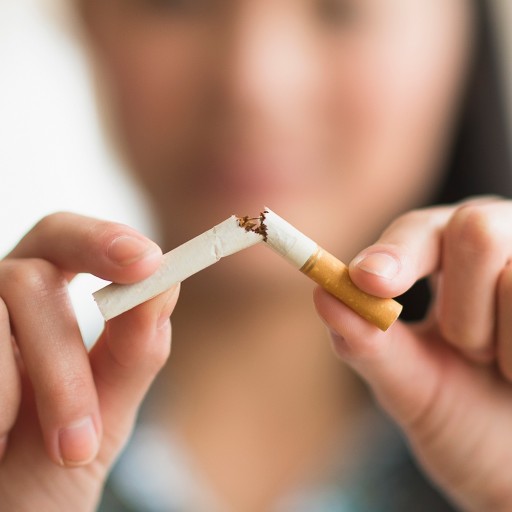
Why does quitting smoking always "fail again and again"?
The first reaction of many people to quit smoking is to "rely on willpower." It is true that willpower is very important in the process of quitting smoking, but willpower alone is often difficult to maintain for a long time. Scientific research shows that smoking addiction is actually a triple structure of "physiological dependence + psychological dependence + behavioral dependence."
Physiological dependence: refers to the body's need for nicotine, which is the most challenging part in the initial stage.
Psychological dependence: refers to people's emotional sustenance on smoking, such as lighting a cigarette when stressed and needing tobacco comfort when upset.
Behavioral dependence: It is a smoking pattern that is strongly related to daily life, such as smoking after meals, driving, and gathering with friends. These "situational triggers" make people light up cigarettes out of inertia even if they do not crave nicotine.
If only one of the levels is solved, the other two may still induce relapse. Therefore, scientific smoking cessation emphasizes "multi-dimensional intervention" and "staged management".
Scientific strategies for successful smoking cessation
Identify the motivation for smoking
Everyone's reasons for smoking are not exactly the same. The first scientific step is self-observation. Record the time, place, emotional state, and feelings after smoking every time you smoke in a week. This process can help you find out which situations are "high-risk moments" that induce you to smoke.
You may find that you always smoke after working overtime; or you are most likely to want to smoke when you get up in the morning or when you are alone. Knowing these "trigger points", you can start to make targeted changes.
Replace smoking with new behaviors
Quitting smoking is not a one-size-fits-all "stop", but a gradual establishment of a new behavior chain. For example, if you are used to smoking after coffee, you can try to replace it with walking, deep breathing, drinking water or chewing sugar-free gum. These seemingly simple little actions will gradually weaken the connection between smoking and a certain situation.
In addition, learning to deal with emotional fluctuations is also the key to successful smoking cessation. Many people smoke because of anxiety, loneliness, and boredom, so learning to manage emotions through meditation, mindful breathing, diary writing, exercise, etc. is also a powerful alternative mechanism.

From reducing to quitting smoking
Some people choose to stop smoking completely immediately (i.e., the "cold turkey method"), but studies have found that this method often has a higher relapse rate without other support. Instead, it is more realistic to set a gradual plan.
For example, you can make a three-week plan:
- Week 1: Smoke only at fixed times (such as after meals), and prohibit other times.
- Week 2: Reduce the number of cigarettes smoked per day, such as from 15 to 8 per day.
- Week 3: Use alternative behaviors to gradually cancel the remaining smoking time, and finally quit smoking.
Gradual smoking cessation does not mean "relaxation", but a scientific and sustainable change strategy.
Quitting smoking is not a lonely battle
Studies have shown that the success rate of smokers who quit smoking with a support system is much higher than those who try alone. This "support system" can be relatives, friends, doctors, psychologists, or participating in local or online smoking cessation mutual aid groups.
Sharing your goals and progress, and accepting real feedback on failures and challenges, is an effective way to avoid falling into "self-blame" and "isolation". And those who have successfully quit smoking often give very practical advice.
If you can let people around you understand your goals, they can even help you clean the ashtray, remind you to avoid high-risk occasions, and give encouragement. This kind of environmental support greatly enhances the ability to resist temptation.
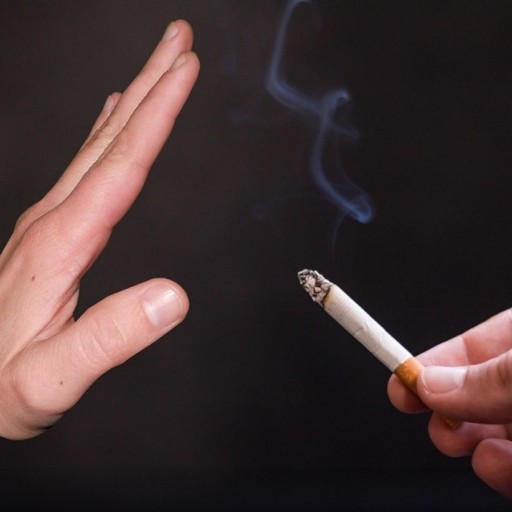
Changes after quitting smoking
When you successfully quit smoking, your body's recovery is significant and lasting. According to data from the American Lung Association:
- 20 minutes after quitting smoking, the heart rate drops to normal;
- 12 hours after quitting smoking, the carbon monoxide level in the blood returns to normal;
- 2 weeks to 3 months after quitting smoking, lung function improves significantly;
- 1 year after quitting smoking, the risk of coronary heart disease drops by 50%;
- 5-15 years after quitting smoking, the risk of stroke drops to the level of non-smokers.
Not only that, many smokers who quit smoking report:
- More restful sleep, no more coughing when waking up in the morning;
- More energy and improved concentration;
- Restored sense of taste and smell, more sensitive to food;
- Smoother skin, fresher breath;
- More stable mood, less anxiety.
Quitting smoking is not just "less cigarettes", but "more health, more clarity, more sense of control over one's life".
If you are considering quitting smoking, or are struggling, please remember - quitting smoking is indeed a challenging road, but it is not a road that no one has walked. There are tens of millions of people like you who have struggled in the dead of night and lost because of a failure, but they finally found their own rhythm and walked out of the smoke.
You don't need to be perfect, you just need to persist. And scientific methods and psychological strategies will be your most loyal partners. I hope that one day, you will look back and see the struggling self behind the smoke, and smile gently: I finally did it.
 1
1 1
1OTHER NEWS
-
- Planting Tips: Best Indoor Plants Recommendations and Care Guide
- By MTH 18 Feb,2025

-
- What are the most ugly plants in the gardening world?
- By LH 09 Apr,2025
-
- Vigilance! Keeping these kinds of plants indoors may harm your health
- By ZYY 09 Apr,2025

-
- From planting to caring for flowers that bloom forever
- By MTH 10 Mar,2025

-
- Here’s a complete guide on what you should prepare before planting your seeds.
- By Prodosh Kundu 18 Jul,2024

-
- Growing For The Planet: How Sustainable Gardening Practices Can Help To Mitigate Climate Change
- By Prodosh Kundu 28 Oct,2024

-
- How Organic Gardening Supplies Can Transform Your Garden And The Environment?
- By Prodosh Kundu 28 Oct,2024

-
- 15 kinds of flowers suitable for summer
- By LH 31 Mar,2025

-
- How to Choose the Best Lawn and Landscaping Services for Your Home
- By Prodosh Kundu 28 Aug,2024

-
- The natural choice for indoor air purification five high-quality greenery recommendations
- By YL 14 Mar,2025

-
- How terrible are carnivorous plants?
- By LH 12 Mar,2025
-
- The Five Best Flowers for Newbies to Keep Alive
- By MTH 14 Mar,2025