Why are more and more people getting stomach problems
Against the backdrop of the ever-accelerating pace of modern society, stomach disorders have become an important health problem plaguing more and more people. Whether it's busy office workers, students with irregular diets, or middle-aged people living a stressful life, an upset stomach has almost become part of their daily troubles.
Stomach pain, bloating, acidity, regurgitation, and even more serious forms of gastritis, gastric ulcers, and gastroesophageal reflux disease (GERD) frequently rank high in the rate of outpatient visits.
Many people attribute gastric problems to “too much stress” or “inherent gastrointestinal problems”, but in fact, most gastric problems are not formed overnight, but are caused by the accumulation of poor dietary habits over a long period of time.
If we can review and correct these potentially harmful dietary behaviors, it is expected to effectively prevent and alleviate the plague of stomach disorders.
Dietary imbalance: high oil, high salt and spicy, the stomach can not stand!
With the improvement of living standards, people's diet is becoming more and more “heavy”, high oil, high salt, high spicy food has become the main character of the daily menu. Fried chicken, barbecue, hot pot, spicy hot, cold drinks ...... behind these mouth-watering food, but often hides a huge damage to the gastric mucosa.
High-fat food will increase the digestive burden of the stomach, leading to excessive secretion of gastric juice, so that the gastric mucosa for a long time in a strong acidic environment. Spicy and stimulating food directly stimulate the stomach wall, resulting in gastric mucosa congestion, or even erosion, over time may evolve into chronic gastritis or gastric ulcer.
Excessive salt intake has also been found to be associated with an increase in the infection rate of Helicobacter pylori, which is one of the most important triggers of gastric diseases and even gastric cancer.
In addition, modern people on the fruits and vegetables intake is generally insufficient, dietary fiber intake lack of gastrointestinal tract peristalsis slow down, easy to cause indigestion and constipation, these are also chronic gastric disease “hotbed”.
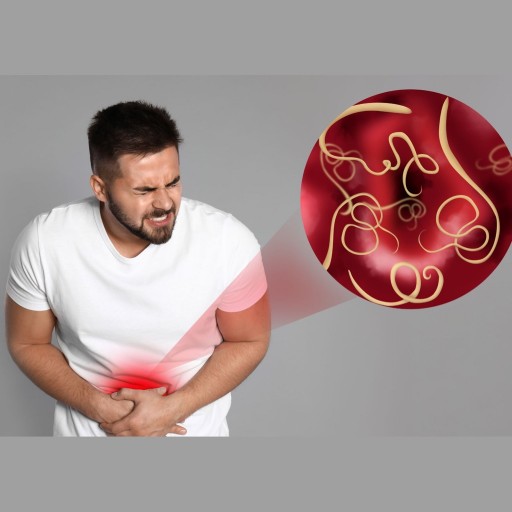
Eating too fast too fast, the stomach can not react in time!
“Ten minutes to finish a meal” is the norm for many office workers or students, the fast-paced life makes people scoff at the basic health principle of ‘eating slowly’. But eating too fast and in too much of a hurry brings not efficiency, but fatigue and damage to the digestive system.
When we gobble, food is not fully chewed, saliva in the digestive enzymes can not play a full role, the stomach will need to secrete more stomach acid and pepsin to complete the task of digestion, which undoubtedly increased the burden on the stomach.
At the same time, a large amount of gas will also be swallowed with the air, resulting in bloating, belching and other discomforts.
More seriously, eating too fast, will disturb the gastrointestinal hormone regulation mechanism, the satiety signal has not yet passed to the brain, people have eaten too much, which is not only easy to trigger indigestion, but also cause excessive expansion of the stomach wall, and even induce gastroesophageal reflux.
No breakfast, late-night snacking addiction, breaking the stomach's biological clock
The habit of skipping breakfast is quite common among modern people, either to save time or to lose weight. However, the morning is the time when gastric acid secretion is more vigorous, if the fasting time is too long, gastric acid will corrode the gastric mucosa, increasing the risk of gastritis and gastric ulcer.
Long-term not eating breakfast may also lead to gallbladder dysfunction, gallstones and other problems.
Relatively speaking, the phenomenon of late-night snacking is becoming more and more common. Late-night snacking is mostly dominated by greasy food, and eating before bedtime will delay gastric emptying, leading to reflux of stomach contents into the esophagus and the formation of gastroesophageal reflux disease (GERD).
Over time, the stomach's “biological clock” is disrupted, gastric juice secretion rhythm disorders, digestive function is fully impaired.
Regular meals are not only a source of energy for the body, but also an important foundation for maintaining gastric function. Skipping meals and indulging in late-night snacks is a form of torture for the stomach.

Drinking alcohol, coffee and strong tea for a long time is the invisible killer of the stomach
Many people are accustomed to “wake up a cup of coffee in the morning to refresh the brain”, after work to drink a cup of relaxation, the daily diet of strong tea also appear frequently. But these drinks, although refreshing, cheering, but are not too friendly to the presence of the stomach.
Alcohol can directly damage the protective layer of the gastric mucosa, making it fragile and easy to bleed; at the same time, alcohol can also stimulate a large secretion of gastric acid, aggravating the risk of ulcers. The risk of gastric bleeding and gastric perforation increases significantly in long-term drinkers.
Although caffeine is refreshing, it can also stimulate the secretion of stomach acid, making coffee consumption on an empty stomach an important trigger for stomach pain and heartburn. The ellagic acid and caffeine in strong tea have a similar effect, and should be consumed with caution, especially for those who already have poor stomach function.
Incorporating these beverages into your daily routine in moderation and at the right time, rather than consuming them in an uncontrolled manner, is the most responsible way to take care of your stomach health.
Emotional stress and work/rest disorders make the stomach worse
In addition to the direct effects of diet, emotions and work and rest are also important factors in stomach problems.
Long-term anxiety, nervousness, depression and other negative emotions will affect the gastrointestinal system through the brain-intestinal axis, resulting in gastric acid secretion disorders, abnormal gastric dynamics, which in turn leads to gastric distension, nausea, loss of appetite and other symptoms.
Irregular work and rest, late night life will also disrupt the body's physiological rhythms, so that the stomach dysfunction. The secretion of gastric juice at night should be reduced, but if this time to eat or still in a state of high excitement, it may stimulate acid reflux, gastric mucosal damage.
Modern medicine increasingly emphasizes the “unity of mind and body”, mental health and gastrointestinal health are inseparable. Maintaining a regular life and managing your emotions is also an important part of preventing and treating stomach problems.
The stomach, as one of the most sensitive organs of the human body, will not immediately make a “protest” against a binge drinking or staying up late, but in the long run, the damage is often hidden and accumulated. We can't completely avoid the fast pace of life and heavy pressure, but we can choose to treat our diet and body in a gentler and more regular way.
Protecting your stomach is an important starting point for protecting your quality of life.
 1
1 1
1OTHER NEWS
-
- Growing For The Planet: How Sustainable Gardening Practices Can Help To Mitigate Climate Change
- By Prodosh Kundu 28 Oct,2024
-
- Do you know these secrets of plants?
- By LH 18 Feb,2025

-
- Vigilance! Keeping these kinds of plants indoors may harm your health
- By ZYY 09 Apr,2025
-
- Planting Tips: Best Indoor Plants Recommendations and Care Guide
- By MTH 18 Feb,2025

-
- 15 kinds of flowers suitable for summer
- By LH 31 Mar,2025

-
- The natural choice for indoor air purification five high-quality greenery recommendations
- By YL 14 Mar,2025

-
- Have you ever seen a magical plant that can grow by drinking air?
- By LH 14 Mar,2025

-
- Hydroponic plants, gardening tips
- By LH 02 Apr,2025
-
- The Five Best Flowers for Newbies to Keep Alive
- By MTH 14 Mar,2025

-
- Sustainable Gardening Starts With Organic Supplies
- By Prodosh Kundu 28 Oct,2024

-
- How terrible are carnivorous plants?
- By LH 12 Mar,2025

-
- Spring is here! Give Your Garden a New Look with These Gardening Tips
- By MTH 20 Feb,2025