The world's top 10 "stink bombs": one bite and your neighbors will think your toilet exploded
In the world's food map, there are always some foods that are famous for their "stink". They challenge the limits of human beings with their sky-high olfactory impact, but they also make countless diners jump back and forth between physiological nausea and taste carnival.
The following 10 kinds of food can be called "stink nuclear bombs". Their existence itself is the ultimate paradox of food culture - those who smell it will flee in panic, while those who eat it will enjoy it.
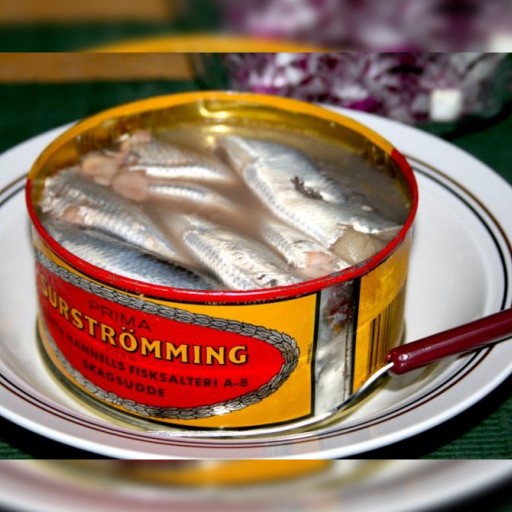
1. Swedish salted herring cans: biological and chemical weapons-grade stench
Swedish herring cans top the list with a stinky index of 8070AU. Its fermentation process can be called a carnival party for microorganisms. Herring ferments naturally in a low-salt environment. The acetic acid, propionic acid, butyric acid and hydrogen sulfide produced by protein decomposition make the internal air pressure of the cans likely to burst at any time.
In the Swedish warehouse fire in 2014, thousands of fermented cans exploded and flew out, and the smell was described as "a nuclear explosion in the food world." International flights are strictly prohibited from carrying it, and the Swedish government even stipulates that it cannot be opened in residential areas. Its odor intensity is 20 times that of stinky tofu.
2. South Korea's Hongyu Sashimi: The Ultimate Interpretation of Toilet Ammonia
This Jeolla-do specialty is made from fermented stingray, with an odor index of up to 6230AU. Stingray excretes uric acid through the skin, which is converted into ammonia after freezing and fermentation, and the smell is similar to that of a urinal.
When eaten, it needs to be paired with soju to suppress the odor, but it is regarded as a top ingredient because of its high nutritional value. It is still common in modern weddings, funerals and other occasions, often forming a "Hongzhuo Sanhe" with pork and kimchi, becoming a living fossil of Korean food culture.
3. New Zealand Epicure Cheese: The "Foot Smell" King of Cheese
This hard cheese ranks third with an odor index of 1870AU. During the fermentation process, the gas and compounds produced by the decomposition of lactose by fungi form a pungent smell similar to body odor.
Although it is jokingly called "the mosquito coil for gourmets", it is highly respected by cheese lovers and is often paired with wine, becoming a representative of New Zealand dairy technology.
4. Alaska pickled puffins: a feast of carrion in the Arctic Circle
A traditional food of the Inuit, hundreds of puffins are stuffed into seal skins and fermented for 3 years, with a stench index of 1370AU. The mixed smell of rotten fat and viscera is pungent and unpleasant. When eating, the fermented and rotten viscera must be sucked from the bird's anus or smeared on barbecue.
Its existence stems from the wisdom of food preservation in the harsh polar environment, and it is still an important symbol of local traditional rituals.
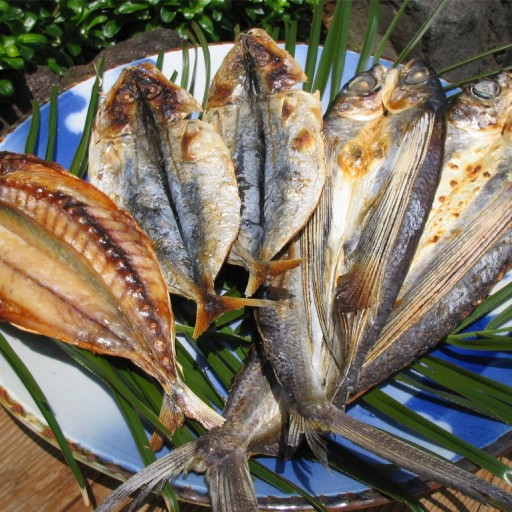
5. Japanese fresh stinky dried fish: the century-old stench of the Izu Islands
Uncooked stinky dried fish ranks among the top five with a stench index of 1267AU. The raw fish is soaked in a secret stinky fish liquid and then dried. The protein is decomposed into amino acids and ammonia, forming a strong stench of fermented rotten meat and seawater.
The smell filled the whole apartment when it was baked, but it was the spiritual food of the locals. When it was eaten with shochu, the stench turned into a deep umami taste.
6. Japanese sushi: "heavy taste" of sushi fermented with blood
It is made by fermenting crucian carp and rice for a long time. The residual blood caused a strong sour smell, with a stench index of 486AU. The samurai class in the Edo period even formulated etiquette for it-two slices were needed when eating, because "one slice" is homophonic to "seppuku" in Japanese.
It is still regarded as the "dark cuisine" in sushi today, but it carries the ancient wisdom of Japanese fermented diet.
7. Japanese natto: sticky and stringy national "stinky socks"
The mucus and ammonia smell produced by fermented soybeans, with a stench index of 452AU, are regarded as longevity foods because they are rich in vitamin K2 and nattokinase.
Its history can be traced back to the Jomon period. The sticky texture and special smell made countless people stay away, but it became a regular on the Japanese breakfast table. When it is eaten with soy sauce and raw eggs, the stench turned into a unique sweetness.
8. Japanese pickled radish: a sour storm of sulfide fermentation
Traditional pickles emit a sour smell due to sulfide fermentation, with a odor index of 430AU, and are often used as a side dish with porridge. The smell comes from the hydrogen sulfide produced by the fermentation of vegetables in rice bran and salt, but it is a healthy choice for Japanese families because it is rich in lactic acid bacteria.
Although it has a pungent smell, it is an important condiment on the tables of ordinary people in the Edo period.
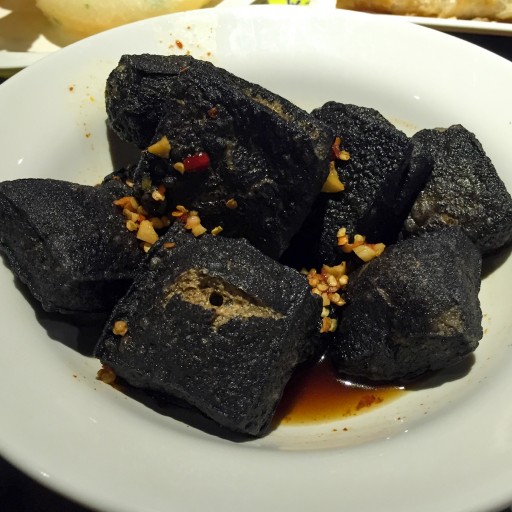
9. Chinese stinky tofu: a "master of disguise" like a sewer explosion
Ranked tenth with a stinky index of 420AU, tofu is soaked in stinky brine for three days, and the protein decomposes into volatile sulfides, forming a contrasting aesthetic of "smelling stinky and eating delicious". Changsha stinky tofu is black on the outside and white on the inside.
After frying, holes are poked and pepper and garlic juice is poured in, and the stinky smell rushes straight to the forehead; Shaoxing stinky tofu is soaked in brine with moldy amaranth stems, and the stinky smell carries the mellowness of fermentation. Despite causing controversy over air pollution many times, it is still a top street snack.
10. Icelandic dried shark: "shark mummy" with strong urine smell
The meat of Greenland shark fermented for 6 months has such a strong urine smell that you have to hold your breath to slice it. Sharks lack a urinary system, so urea accumulates in the meat, forming a pungent smell after fermentation.
It needs to be dried for several months before eating, and then sliced and paired with vodka to suppress the smell. It is the top delicacy for Icelanders to entertain guests, symbolizing the survival wisdom of the descendants of Vikings.
What level do you dare to challenge?
The birth of these "stink bombs" is mostly due to the lack of food preservation technology or the particularity of regional culture.
Swedish canned herring originated from the wisdom of fishermen to preserve food, Korean Hongyu sashimi is a source of protein in the era of underdeveloped cold fresh technology, and Alaska pickled puffins are the invention of polar residents to fight hunger.
Today, they have become symbols of cultural identity, setting off a wave of "stink challenge" on social media, and even giving birth to the "stink tourism" industry.
From street snacks to royal meals, from the Arctic Circle to tropical islands, these foods use smell to weave a cultural network that spans time and space. Next time you smell a pungent smell, take a deep breath - what you smell is not only a carnival of chemicals, but also the most primitive vitality of human food civilization.
 1
1 1
1OTHER NEWS
-
- Vigilance! Keeping these kinds of plants indoors may harm your health
- By ZYY 09 Apr,2025
-
- 15 kinds of flowers suitable for summer
- By LH 31 Mar,2025

-
- From planting to caring for flowers that bloom forever
- By MTH 10 Mar,2025

-
- Is the smell of mowing the grass a distress signal from plants?
- By LH 21 Feb,2025

-
- What are the most ugly plants in the gardening world?
- By LH 09 Apr,2025

-
- Here’s a complete guide on what you should prepare before planting your seeds.
- By Prodosh Kundu 18 Jul,2024
-
- Do you know these secrets of plants?
- By LH 18 Feb,2025

-
- Growing For The Planet: How Sustainable Gardening Practices Can Help To Mitigate Climate Change
- By Prodosh Kundu 28 Oct,2024
-
- Have you ever seen a magical plant that can grow by drinking air?
- By LH 14 Mar,2025

-
- Sustainable Gardening Starts With Organic Supplies
- By Prodosh Kundu 28 Oct,2024
-
- Spring is here! Give Your Garden a New Look with These Gardening Tips
- By MTH 20 Feb,2025

-
- How terrible are carnivorous plants?
- By LH 12 Mar,2025