Winter exercise for the elderly, so with double the effect!
In winter, for the elderly, appropriate exercise not only helps to strengthen the body, but also can enhance immunity, against the discomfort of cold weather.
However, due to the special climate in winter, the elderly need to be more careful when exercising, choose the right exercise program and skillfully match, in order to achieve twice the result with half the effort, so that the health benefits doubled.
Matching indoor and outdoor sports
Winter outdoor cold, air quality is sometimes not ideal, but appropriate outdoor exercise can let the elderly exposure to sunlight, promote the synthesis of vitamin D, enhance the absorption of calcium, the health of bones is very beneficial.
However, prolonged outdoor exercise in the cold may cause cold and flu or cardiovascular problems in older adults. Therefore, it is possible to combine indoor and outdoor exercise.
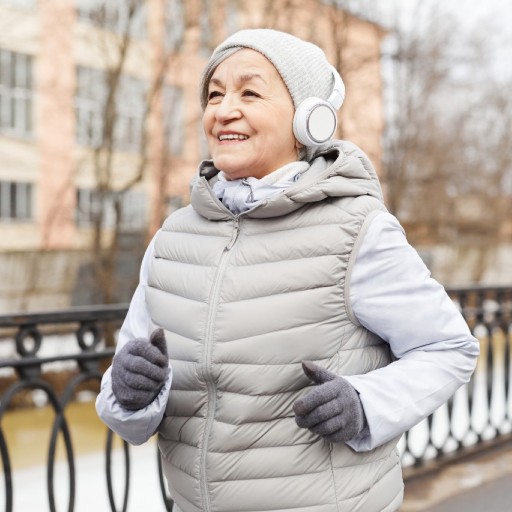
For example, in the morning when the sun is shining and the air quality is good, the elderly can choose to go out for a walk, jogging or playing tai chi and other soothing outdoor exercise, with the exercise time controlled at about 30 minutes to 1 hour.
Walking at a moderate pace, with arms swinging naturally and breathing evenly, can move the joints of the whole body and enjoy the fresh outdoor air. Taijiquan, with its soft and slow, static and dynamic characteristics, helps the elderly to regulate breathing, stretch the muscles and bones, and enhance the body's balance and coordination.
Indoor exercise is a good choice for cold mornings, evenings or when the weather is bad. Indoor exercise can choose yoga, aerobics and so on. Some simple asanas of yoga, such as cat and cow pose, downward dog pose, tree pose, etc., can effectively exercise the flexibility, strength and sense of balance of the elderly.
Gymnastics can be chosen according to their own physical condition of the appropriate intensity, follow the rhythm of the music to move all parts of the body, to promote blood circulation. Through the combination of indoor and outdoor exercise, the elderly can fully enjoy the sunshine and fresh air, but also to avoid the cold, all-round exercise body.
Aerobic exercise and strength training
Aerobic exercise has a significant effect on the cardiorespiratory function of the elderly, which can enhance the pumping ability of the heart and improve the efficiency of gas exchange in the lungs. Common aerobic exercises such as brisk walking and bicycling are suitable for the elderly.
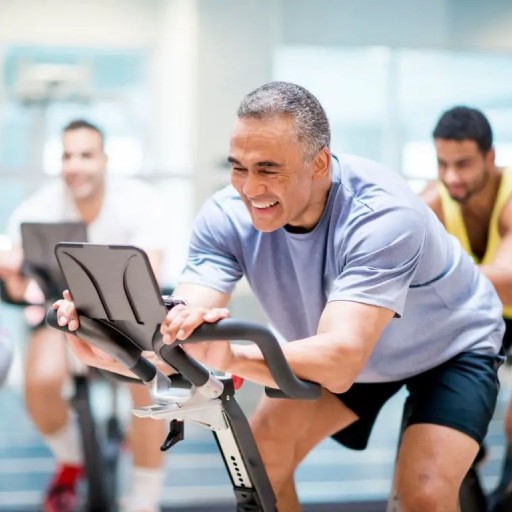
When walking, keep a fast pace of about 100 - 120 steps per minute for more than 30 minutes each time, which can make the body sweat slightly and achieve the purpose of exercising the heart and lungs. Cycling, which can be done on flat roads or indoor exercise bikes, is a moderately intense exercise that also helps improve cardiorespiratory endurance.
However, aerobic exercise alone may lead to a gradual loss of muscle mass, which is effectively compensated by strength training. Strength training can increase muscle mass, raise basal metabolic rate, enhance bone density and prevent osteoporosis in older adults.
Simple strength training movements include deep squats and dumbbell exercises. When squatting, feet shoulder width apart, slowly squatting, pay attention to the knees do not exceed the toes, repeat 10 - 15 times for a group, 2 - 3 groups per day, can effectively exercise leg muscle strength.
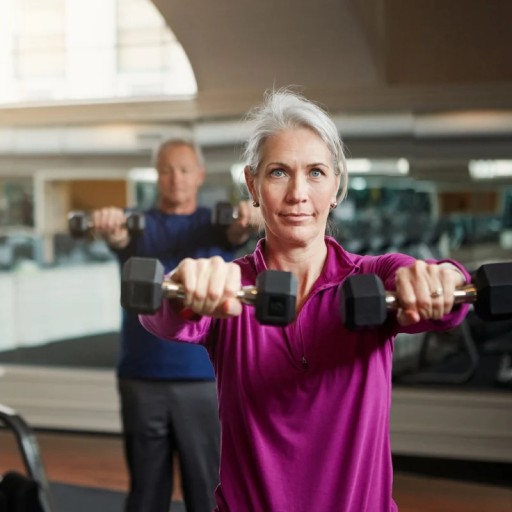
Dumbbell exercise can use lighter dumbbells, arm flexion and extension, lateral raise and other actions, 8 - 10 times per group, exercise upper body strength.
Pair cardio with strength training, such as a simple strength training session after a brisk walk or bike ride. This pairing can improve cardiorespiratory fitness while building muscle strength, resulting in a fitter body and reducing the risk of muscle atrophy and loss of strength due to aging, allowing older adults to have a more complete physical fitness enhancement.
Whole Body Exercise with Partial Exercise
Whole-body exercise can mobilize the muscles and joints of all parts of the body, and promote blood circulation and metabolism of the whole body. Swimming is a very good whole-body exercise program.
In the water, the buoyancy of the body can reduce the burden on the joints, and the elderly can exercise the muscles of the whole body, including the upper limbs, lower limbs, and core muscles, through rowing and stirring.
However, if there is no swimming conditions, radio gymnastics is also a good choice of whole-body exercise, which includes movements of various parts of the head, neck, shoulders, arms, waist, legs, etc., which can comprehensively move the body joints and improve the flexibility of the body.
On the basis of whole-body exercise, strengthening training for localized parts of the body that are prone to problems for the elderly will have more significant effects.
For example, the neck and shoulders of the elderly are prone to stiffness and pain, so you can perform localized exercises such as forward flexion, backward extension and lateral flexion of the neck, as well as shoulder encircling and shrugging, etc.
Each movement should be held for 5-10 seconds and repeated for about 10 times to alleviate the discomfort of the neck and shoulders, and prevent cervical spondylosis and frozen shoulder. The lumbar region is also a key area of concern for the elderly.
Localized exercises such as supine leg lifting and lumbar twisting can strengthen the lumbar muscles and prevent lumbar sprains and lumbar spondylosis.
Combining whole-body exercises with localized exercises, warming up and comprehensively exercising the whole body first, and then carrying out special training for weak or problem-prone localities can not only improve the overall physical quality, but also accurately solve the localized health hazards, so as to keep the elderly's body in good condition.
Pairing Exercise with Stretching
After exercise, stretching session is essential. Proper stretching after exercise for the elderly can relieve muscle fatigue, reduce muscle soreness, improve muscle flexibility and prevent sports injuries.
For example, after walking, jogging or strength training, you can stretch your whole body. Leg stretching can be used in a standing position of forward bending posture, legs straight, slow bending, hands as far as possible to the ground to stretch, feel the stretch of the back of the leg muscles, keep 30 - 60 seconds.
For arm stretching, you can stretch one arm, use the other hand to pull it towards the body and feel the stretch of the arm muscles, and hold it for about 30 seconds on each side.
Lumbar stretching can be used to supine bending knees and holding the chest position, lying flat on the bed, legs bent at the knees, hands holding the chest, the waist as close as possible to the bed, relax the waist muscles, hold 30 - 60 seconds.
Stretching exercises are paired with the previous exercises to better consolidate and enhance the effects of exercise in older adults.
Exercise tones the muscles, while stretching helps them recover and relax. The two complement each other, allowing older adults to enjoy the health benefits of exercise while minimizing the discomfort and injuries it can cause.
When older people exercise in winter, they can maximize the health benefits of exercise under the premise of ensuring safety through a reasonable mix of exercise programs.
However, it should be noted that the elderly in the exercise before the best to consult the doctor's advice, according to their own physical condition to choose the appropriate sports and intensity, and in the process of exercise should pay attention to warmth, replenishment of water.
And step by step to carry out the exercise program, so as to make the winter exercise really become a health booster, so that the elderly have a more healthy, energetic life in old age.
 1
1 1
1OTHER NEWS
-
- Do you know these secrets of plants?
- By LH 18 Feb,2025
-
- How Organic Gardening Supplies Can Transform Your Garden And The Environment?
- By Prodosh Kundu 28 Oct,2024
-
- Here’s a complete guide on what you should prepare before planting your seeds.
- By Prodosh Kundu 18 Jul,2024
-
- From planting to caring for flowers that bloom forever
- By MTH 10 Mar,2025
-
- Planting Tips: Best Indoor Plants Recommendations and Care Guide
- By MTH 18 Feb,2025

-
- Hydroponic plants, gardening tips
- By LH 02 Apr,2025
-
- The Five Best Flowers for Newbies to Keep Alive
- By MTH 14 Mar,2025

-
- What are the most ugly plants in the gardening world?
- By LH 09 Apr,2025

-
- Spring is here! Give Your Garden a New Look with These Gardening Tips
- By MTH 20 Feb,2025
-
- Sustainable Gardening Starts With Organic Supplies
- By Prodosh Kundu 28 Oct,2024
-
- Vigilance! Keeping these kinds of plants indoors may harm your health
- By ZYY 09 Apr,2025
-
- How do you control pests and diseases in your garden
- By YL 12 Mar,2025