How to get rid of stubborn acne
Pimples, medically known as acne, are a common skin problem that plagues many beauty lovers. They often pop up unnoticed and not only affect facial aesthetics, but may also deal a blow to an individual's self-confidence. Especially those stubborn pimples seem to be resistant to all conventional methods, making it quite a headache.
Recognizing Stubborn Acne
Stubborn acne usually refers to acne that lasts for a long time, recurs, and is difficult to cure with common treatments. They may appear as red, swollen, inflamed pimples, pustules, or even nodules and cysts, and tend to be concentrated in areas of high sebaceous gland secretion such as the face, neck, chest and back.
Compared with regular acne, stubborn acne has a more intense inflammatory response, a longer treatment cycle, and is prone to leaving acne marks and scars, which can have a long-term impact on the appearance and texture of the skin.
Exploration of Causes
Endocrine disorders
The endocrine system plays a key role in maintaining the physiological balance of the body. When the level of androgens in the body is elevated, it will stimulate the sebaceous glands to secrete too much oil.
For example, the exuberant secretion of androgens during puberty is one of the major causes of the frequent occurrence of teenage acne. In addition, fluctuations in hormone levels during special times such as physiological periods, pregnancy or menopause in women may also trigger acne problems.
Factors such as excessive stress, staying up late for a long time, and poor dietary habits may interfere with the normal functioning of the endocrine system, which in turn triggers or aggravates stubborn acne.
Sebaceous Gland Overproduction
Sebaceous glands are accessory organs of the skin, and their main function is to secrete oil to keep the skin moisturized and elastic. However, when the sebaceous glands are stimulated by certain factors, overproduction can occur.
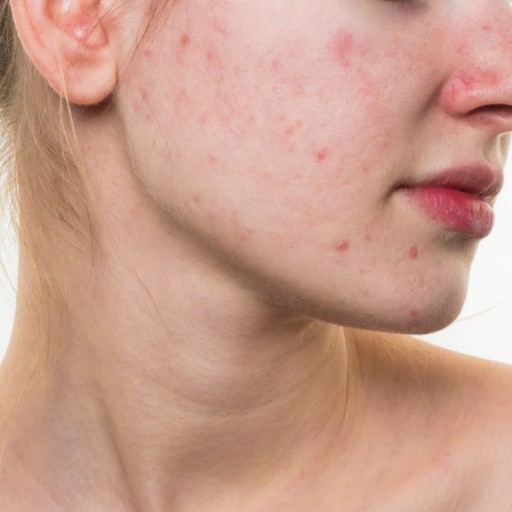
Genetic factors play a role in this, and if there is a family history of oily skin or acne, an individual may have an increased risk of developing stubborn acne.
Intake of stimulating foods such as high sugar, high fat, and spicy foods, as well as hot environments and dry skin due to over-cleansing of the skin, can prompt the sebaceous glands to reflexively secrete more oil, providing a breeding ground for acne.
Abnormal follicular keratinization
Keratinization of hair follicles is a normal physiological process of the skin, but when this process is abnormal, it may trigger acne.
Excessive proliferation of keratinocytes at the mouth of the hair follicle can cause the mouth of the hair follicle to become smaller and blocked, so that the oil secreted by the sebaceous glands cannot be discharged normally and accumulates inside the hair follicle, forming acne.
Acne provides favorable conditions for the growth and reproduction of bacteria such as Propionibacterium acnes. Fatty acids produced by the bacterial breakdown of oil will stimulate the follicle walls, triggering an inflammatory response that results in the formation of acne.
Bacterial infections
Propionibacterium acnes is one of the main bacteria that cause acne inflammation. Normally, it exists on the surface of the skin, but when the hair follicles are clogged and sebum is overproduced, Propionibacterium acnes will multiply.
Its metabolites trigger an inflammatory response in the hair follicle and its surrounding tissues, with a gradual increase in inflammation from mild inflammatory papules to severe pustules, nodules and cysts.
In addition, the secondary infection of other bacteria such as Staphylococcus aureus may also make the condition of acne more complicated and stubborn.
Lifestyle habits and environmental factors
Bad living habits have a significant impact on skin health. Staying up late for a long time will disrupt the body's biological clock, affect the endocrine system and metabolism, and reduce the skin's self-repair ability.
Lack of exercise will lead to poor blood circulation, making it difficult to expel toxins from the body, which can easily show up on the skin.
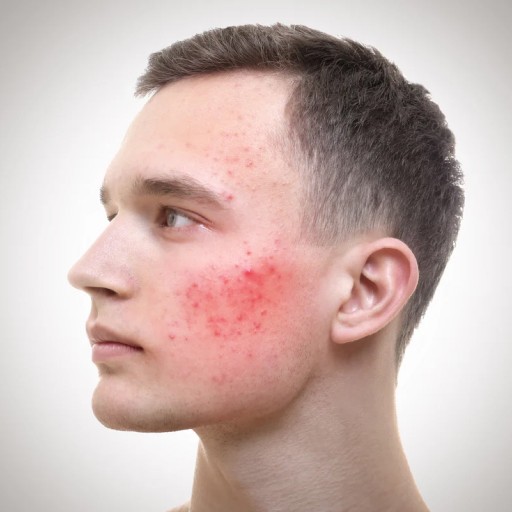
In addition, improper facial cleansing, such as the use of irritating facial cleansers, excessive rubbing of the skin or failure to remove makeup in a timely manner, may damage the skin's barrier function, triggering acne.
Environmental pollution is also a factor that should not be ignored, airborne dust, pollutants and ultraviolet radiation, etc., may stimulate the skin, aggravate the symptoms of acne, so that the original mild acne problems become stubborn and difficult to treat.
Preventive measures
Adjust the dietary structure
Diet plays an important role in the prevention and treatment of acne. First of all, you should reduce the intake of high sugar foods, such as candies, cakes, carbonated drinks and so on. Excessive sugar will lead to elevated blood sugar, which in turn stimulates insulin secretion, prompts androgen levels to rise, and increases sebum secretion.
Secondly, it is important to control the intake of high-fat foods, like fried foods and animal offal. These foods will make the sebaceous glands secrete more vigorously, aggravating the greasiness of the skin. Increasing your intake of foods rich in vitamins and dietary fiber is the key to preventing acne.
Fresh vegetables and fruits, such as broccoli, spinach, apples and oranges, are rich in vitamins A, C and E as well as a variety of antioxidants, which help to regulate the skin's metabolism and strengthen the skin's resistance. Whole grains, beans and other foods rich in dietary fiber can promote intestinal peristalsis, help discharge toxins, reduce the occurrence of acne.
Maintain a good routine
Regular work and rest schedule is essential to maintain endocrine balance. Ensure that you get enough sleep every day, 7 - 8 hours is appropriate. During sleep, the body repairs and adjusts itself, which helps to stabilize hormone levels and promote skin metabolism. Try to avoid staying up late and develop a good habit of going to bed early and getting up early.
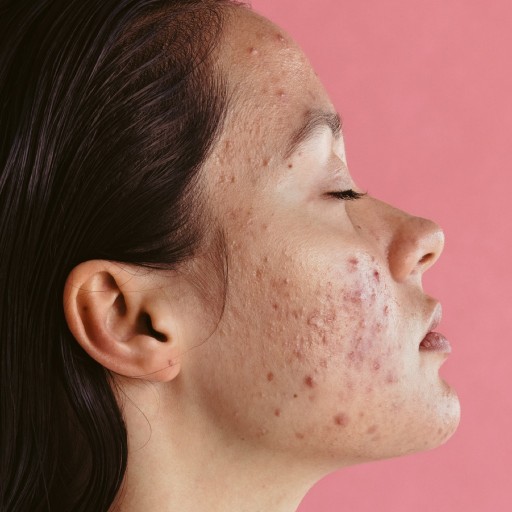
Pay attention to skin cleansing
Proper skin cleansing is the basic step in preventing acne, but be careful to avoid over-cleansing. Choose mild cleansing products whose pH should be close to the pH value of the skin (about 5.5 - 7.0) so as not to damage the acidic protective film of the skin. Wash your face with lukewarm water in the morning and evening.
The water temperature should not be too high or too low, as too high will damage the skin and too low will make it difficult to clean the oil. When washing your face, gently massage the T-zone (forehead, nose, chin) and other areas of the face that produce more oil, but avoid rubbing the skin too hard to avoid stimulating the hair follicles.
For those who wear makeup, make sure to remove makeup thoroughly, use professional makeup remover products to remove makeup first, and then use cleansing products for secondary cleansing to ensure that there is no residual makeup and dirt in the pores.
Avoid adverse environmental stimuli
In daily life, should minimize the contact with adverse environmental factors. When going out, pay attention to good sun protection measures, such as applying sunscreen, wearing a hat, playing umbrellas and so on.
Ultraviolet rays not only cause sunburn and tanning of the skin, but also aggravate the pigmentation after acne inflammation, making acne marks more obvious.
At the same time, try to avoid prolonged periods of time in a heavily polluted environment, such as hazy weather to reduce out, such as the need to go out can wear a mask. Indoors, keep the air circulating, clean the room regularly to reduce dust and bacteria on the skin.
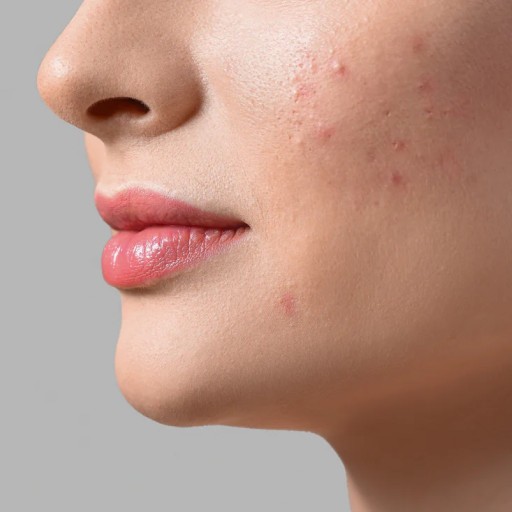
Elimination methods
Facial cleansing and care
In addition to daily cleansing in the morning and evening, for acne-prone skin, you can appropriately increase the number of times you wash your face, but no more than 3 times at most, so as not to over-clean the skin and cause it to dry out.
For example, wash your face with water promptly to remove sweat and dust from the skin surface after sweating from exercise or after long outdoor activities.
Regular exfoliation helps to remove the buildup of aged keratinocytes on the skin's surface and prevents clogging of hair follicles. However, the frequency of exfoliation should be determined according to the sensitivity of the skin.
Oily skin can be exfoliated 1 - 2 times a week, combination skin can be exfoliated once every 1 - 2 weeks, and sensitive skin should be exfoliated less frequently, up to once a month.
Dietary Modifications
Some foods have natural anti-inflammatory properties that help reduce acne inflammation. For example, foods rich in omega-3 fatty acids, such as deep-sea fish, flaxseed and walnuts. Omega-3 fatty acids can inhibit the production of inflammatory factors and relieve the redness and pain of acne.
In addition to reducing the intake of foods high in sugar and fat, it is also important to control other dietary stimulants. For example, reduce the consumption of dairy products, especially whole milk, as some of its ingredients may stimulate androgen production and aggravate acne.
Spicy foods and alcohol will also dilate skin blood vessels and aggravate the inflammatory response, and should be avoided or reduced as much as possible.
Lifestyle Improvement
Exercise plays a multifaceted role in improving skin conditions. It can promote blood circulation, enable the skin to obtain more nutrients and oxygen, and enhance the skin's metabolism. At the same time, exercise helps to eliminate toxins from the body through sweating and reduces the burden on the skin.
It is recommended to do at least 150 minutes of moderate-intensity aerobic exercise per week. However, it is important to clean your skin promptly after exercise to avoid sweat staying on the skin for too long and harboring bacteria.
Long-term mental stress and bad moods can negatively affect the endocrine system, which in turn aggravates the problem of acne. Therefore, it is crucial to learn how to regulate your emotions. Mental stress can be relieved by developing hobbies to divert attention.
In the process of fighting with stubborn acne, there are some other things to pay attention to and mindset adjustment. First of all, do not arbitrarily squeeze pimples, especially those in the danger triangle of the face (the area from the root of the nose to the corners of the mouth).
Squeezing a pimple may cause the inflammation to spread and trigger a more serious infection, which may even lead to serious complications such as intracranial infection.
 1
1 1
1OTHER NEWS
-
- Do you know these secrets of plants?
- By LH 18 Feb,2025

-
- How Organic Gardening Supplies Can Transform Your Garden And The Environment?
- By Prodosh Kundu 28 Oct,2024

-
- Here’s a complete guide on what you should prepare before planting your seeds.
- By Prodosh Kundu 18 Jul,2024

-
- From planting to caring for flowers that bloom forever
- By MTH 10 Mar,2025

-
- Planting Tips: Best Indoor Plants Recommendations and Care Guide
- By MTH 18 Feb,2025

-
- Hydroponic plants, gardening tips
- By LH 02 Apr,2025

-
- The Five Best Flowers for Newbies to Keep Alive
- By MTH 14 Mar,2025

-
- What are the most ugly plants in the gardening world?
- By LH 09 Apr,2025

-
- Spring is here! Give Your Garden a New Look with These Gardening Tips
- By MTH 20 Feb,2025

-
- Sustainable Gardening Starts With Organic Supplies
- By Prodosh Kundu 28 Oct,2024

-
- Vigilance! Keeping these kinds of plants indoors may harm your health
- By ZYY 09 Apr,2025
-
- How do you control pests and diseases in your garden
- By YL 12 Mar,2025