How to Respond to a Denied Homeowner's Insurance Claim?
As homeowners, we all know that buying homeowners insurance is all about peace of mind. If your house is smashed, stolen or has an accident, the insurance company can help cover it.
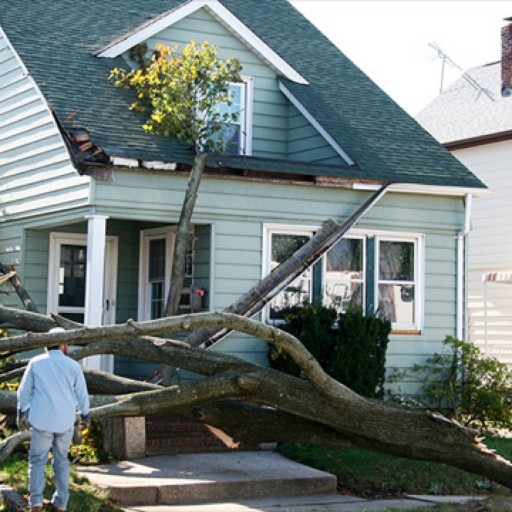
However, the reality is sometimes quite heartbreaking - you obviously pay your premiums on time, and when you have an accident, you report it first, but the insurance company actually refuses to pay! Don't panic, I'll show you how to solve the problem.
1. Understand why your claim was rejected
Don't get angry when you receive a notice of denial, look carefully at what it says. There are a few common ways that insurance companies deny claims:
- It's not covered by insurance: For example, your house was flooded, but you bought a basic insurance policy without flood insurance, so there's no place to argue.
- You're procrastinating: you don't report a house accident until a month later? The insurance company will use this as an excuse to get you out of trouble.
- Evidence is not enough: the house was struck by lightning did not take pictures, home burglary did not report to the police, repair the house did not leave invoices, it is easy to eat dumb losses
- The house is not well-maintained: if the roof has not been repaired for ten years and leaks, the insurance company will say you deserve it.
2. Carefully check the terms and conditions of the policy
The insurance contract in the bottom of the box to turn out, focus on the ‘what’ and ‘what not to insure’ this two pieces. A lot of people don't read the terms and conditions of their insurance policies, and then realise that they've been screwed when something goes wrong.
For example, if you live in a coastal area and buy an insurance policy that doesn't cover typhoon damage, you'll be in deep trouble.
3. Contact your insurance company
Once you know the reason, take the policy and evidence to the customer service. Sometimes a claim is denied because the information isn't correct, for example:
- You said that the basement leak was a burst pipe (an accident), but the insurance company thought it was a maintenance problem.
- The insurance company doesn't recognise the repair quote you submitted because they think it's overpriced.
This is a good time to calmly add material and not just come up with curses. Remember to keep records of all communications, record phone calls, and save emails.
4. Submit an appeal
If the customer service does not solve the problem, go directly to the internal complaint channel of the insurance company. Every insurance company has a complaint process that requires you to:
1. Write down clearly what happened and what you want
2. attach all the evidence (photos, police records, repair bills, etc.)
3. point out where the insurance company is wrong.
It is recommended that you get a friend who knows what he is doing to help you keep track of the materials, or spend some money to hire a professional claims consultant. Remember to make photocopies of all the documents and send them by registered mail.
5. Seek legal assistance
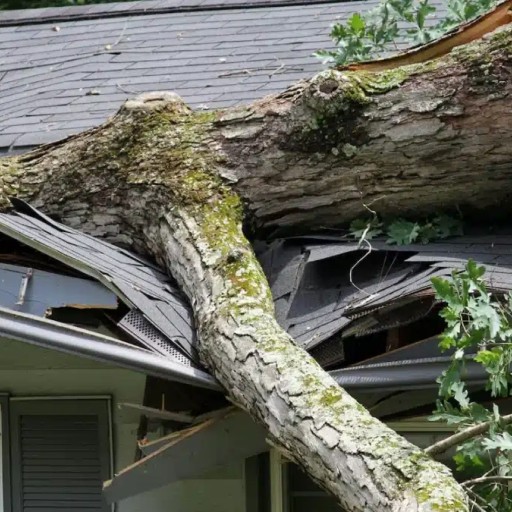
If your claim is still rejected after an appeal, or if you think the insurance company has acted unreasonably in rejecting your claim, you may consider seeking legal aid. A lawyer can help you analyse your case and determine whether the insurance company has acted improperly in denying your claim.
If there is evidence that the insurance company has failed to fulfil its contractual obligations, the lawyer can help you take legal action or even file a lawsuit in court.
Of course, hiring a lawyer may incur some costs, but if you believe you have a strong case for compensation and the insurance company has clearly denied your claim unfairly, it may be worth the expense.
6. Seek help from the regulator
You can also complain to your local insurance regulator if you believe that your insurer has acted unfairly or that there has been impropriety in the process of denying your claim. In the United States, every state has an insurance commission that monitors whether insurance companies are honouring their contracts according to regulations.
If you believe that an insurance company is not following legal procedures, you can file a complaint with these agencies for help.
Insurance regulators can intervene and investigate whether an insurance company has violated the law. In some cases, the regulator's involvement may prompt the insurance company to take a fresh look at your claim and deal with it more reasonably.

7. Preventing future problems
Whether or not you end up paying out, this is something to keep in mind:
- Read the terms and conditions of your annual renewal, and don't skip the extras you should add (e.g., earthquake, flood).
- Have your house inspected regularly: roof every 5 years, plumbing every year, and take pictures of leaks.
- Make a list of important items: jewellery, antiques and other valuables should be insured separately.
- Installation of surveillance cameras at home, in case of burglary, these are hard evidence.
Buy insurance is to buy peace of mind, but do not be afraid to get into trouble. Should be your rights and interests have to fight, the insurance company is also to see people under the dish. As long as you have all the evidence, process compliance, most cases can get justice.
The biggest fear is that you will be confused and the insurance company will just find a reason to get rid of you. Remember, the premiums you pay every year are not for nothing!
 1
1 1
1OTHER NEWS
-
- How terrible are carnivorous plants?
- By LH 12 Mar,2025

-
- Have you ever seen a magical plant that can grow by drinking air?
- By LH 14 Mar,2025

-
- What are the most ugly plants in the gardening world?
- By LH 09 Apr,2025

-
- The natural choice for indoor air purification five high-quality greenery recommendations
- By YL 14 Mar,2025

-
- From planting to caring for flowers that bloom forever
- By MTH 10 Mar,2025

-
- Hydroponic plants, gardening tips
- By LH 02 Apr,2025

-
- 15 kinds of flowers suitable for summer
- By LH 31 Mar,2025

-
- Vigilance! Keeping these kinds of plants indoors may harm your health
- By ZYY 09 Apr,2025

-
- How do you control pests and diseases in your garden
- By YL 12 Mar,2025

-
- Sustainable Gardening Starts With Organic Supplies
- By Prodosh Kundu 28 Oct,2024

-
- How to Choose the Best Lawn and Landscaping Services for Your Home
- By Prodosh Kundu 28 Aug,2024

-
- Planting Tips: Best Indoor Plants Recommendations and Care Guide
- By MTH 18 Feb,2025