Winter tonic misunderstanding the right way to open the healthy tonic
With the arrival of the cold winter, people's bodies usually feel tired and weak, and many people choose to enhance immunity and physical strength through tonic, hoping to stay healthy in winter.
However, in the process of tonic, many people are prone to missteps, which may, on the contrary, have negative impacts on the body. How to properly carry out winter tonic can not only enhance physical fitness, but also prevent common winter diseases.
In this article, we will discuss the common misconceptions about winter tonic and provide scientific and healthy ways to help people get out of the misconceptions so that they can spend every day in winter healthily.
Necessity of winter tonic
Winter is a cold climate, the body's metabolism is relatively slow, the immune system is also susceptible to the influence of external cold factors. At this time, a reasonable tonic can help the body to resist the cold, enhance resistance, and maintain good blood circulation and metabolic function.
Especially for the elderly, children and the weaker people, winter tonic is particularly important.
However, although there is a need for tonic, but many people in the supplementation of nutrition often ignore some basic principles, resulting in the effect of tonic greatly reduced, or even counterproductive. Therefore, a correct understanding of the relationship between nourishment and diet, scientific and reasonable supplementation, in order to maintain health in winter.
Common misconceptions about winter tonic
Many people have many misconceptions about winter tonic, which often stem from traditional customs and unscientific information circulation. Here are some common misconceptions.
Many people believe that winter tonic is to eat a lot of tonic or high-calorie, high-fat food, that the more tonic the stronger the body. This idea is completely wrong. In fact, excessive supplementation not only can not strengthen the body, but will increase the burden on the stomach and intestines, resulting in indigestion, weight gain and even fat accumulation.
Moreover, over-supplementation of certain nutrients, such as proteins and fats, may lead to a burden on the liver and kidneys, and in the long run, it may instead easily cause health problems.
The right thing to do is to take the right amount of supplementation according to the individual's physique and needs, and avoid excessive intake. Especially for the obese or poor metabolism of the population, supplementation should be more cautious to avoid excessive food intake and lead to weight gain.
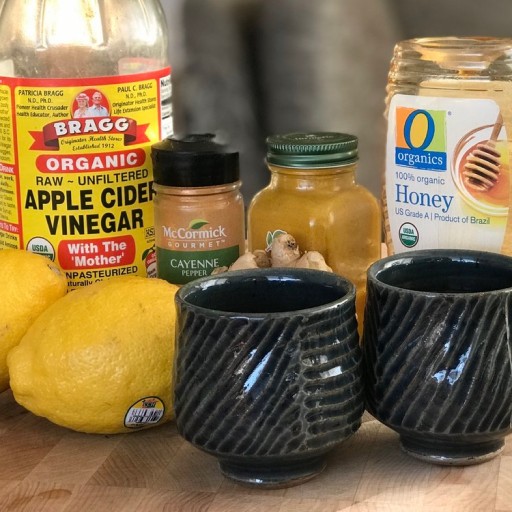
In the traditional concept of winter tonic, many people tend to think that warm tonic foods, such as ginseng, deer antler, cinnamon, jujube and so on, are essential foods in winter.
These warm ingredients do have a certain tonic effect on the body, but if overconsumption, may cause “fire” phenomenon, especially the body heat people, excessive intake of these foods but easy to cause mouth ulcers, constipation and other problems.
Therefore, the warm food should be based on the individual physique reasonable choice. If the body heat or fire symptoms, should be appropriate to reduce the intake of these ingredients, and instead choose some cool or neutral food, such as pear, lily, winter melon, etc. to regulate the body's internal balance.
Many people choose to eat only a certain kind of food to enhance their health when they take winter tonic. For example, they take supplements such as ginseng and wolfberry for a long time, or consume a large amount of nourishing foods such as red dates and cinnamon every day.
However, a single food cannot provide the full range of nutrients needed by the body, and too much reliance on a particular food is likely to lead to nutritional imbalance, which may lead to other health problems in the long run.
The right approach is to maintain a varied diet and consume a variety of foods to ensure that a balance of various nutrients is obtained. In winter, you should focus on dietary protein, vitamins, minerals and other aspects of supplementation to achieve a diverse and balanced diet.
In modern society, many people tend to supplement through drugs and health products, especially for some people who are not willing to spend time on food preparation, drugs and supplements seem to become a more convenient choice.
However, relying too much on drugs and supplements may have side effects on the body, and long-term use may lead to dependence on certain nutrients and even damage to liver and kidney functions.
A healthy way of nourishment should be to obtain nutrients through daily diet, and drugs and supplements in appropriate amounts should only be used as an auxiliary means, not the main way. If you do need to supplement some specific nutrients, it is best to choose reasonably under the advice of a doctor.
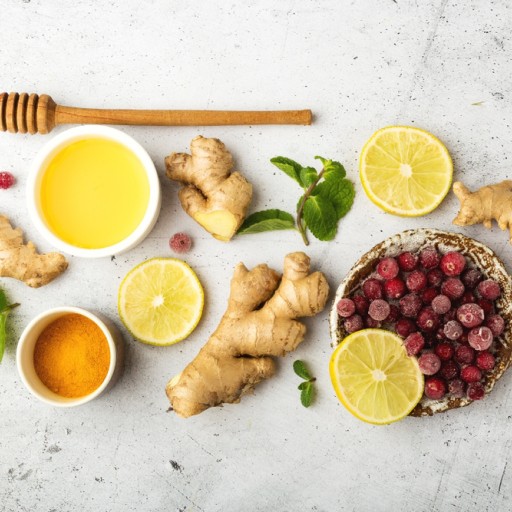
In the pursuit of winter tonic, many people focus their attention entirely on diet and nutritional supplementation, but neglect the nourishing effects of exercise and rest on the body.
Although the temperature is cold in winter, proper exercise can strengthen the body, improve immunity and promote blood circulation. In addition, winter is also a time when the body needs more rest and recovery, and adequate sleep is especially important for nourishing the body.
Excessive focus on dietary supplementation and neglect of exercise and rest may, on the contrary, lead to a decline in physical strength and immunity. The correct way to nourish the body should be to combine diet, exercise and rest to form a healthy lifestyle.
Healthy winter tonic way
To have a healthy winter tonic, you first need to understand your body's needs and make reasonable choices according to different body types and health conditions. Here are some healthy ways to nourish yourself in winter.
Winter tonic should first focus on a balanced diet and avoid over-reliance on a particular type of food. Consume an abundance of vegetables, fruits, whole grains, etc. to provide vitamins, minerals and dietary fiber to help strengthen the body's immunity. At the same time, ensure adequate protein intake. Fish, meat, beans and eggs are all excellent sources of protein.
Warm tonic foods such as red dates, cinnamon and ginseng can be consumed in moderation, but the intake should be adjusted according to the individual's constitution. For people with a cold constitution, they can consume these warm tonic foods in moderation, but if their constitution is hot, they should avoid excessive intake, which may lead to fire.
The dry climate in winter can easily cause the body to lose water. In addition to drinking water, you can drink more mild beverages such as soup, flower tea, honey water, etc., which will help maintain the water balance in the body and avoid problems such as upper respiratory tract infections.
Cold winter weather often discourages people from going out to exercise, but proper exercise can help boost immunity and keep the body energized. You can choose to do indoor exercises such as yoga and calisthenics, or you can put on warm clothes and go for a walk or do some light running and cycling outdoors.
Winter is a critical time for the body to recover and rest, and ensuring enough sleep will help improve the body's immunity and resistance. As the evenings are longer in winter, you may want to take advantage of this opportunity to go to bed early and get up early to develop a regular routine.
Winter tonic is not just a pile of food, the correct way to nourish should be from a scientific point of view, a comprehensive consideration of diet, exercise, rest and other aspects.
Avoid the misunderstanding of winter tonic, reasonable, moderate supplementation, in order to really improve the body's immunity and health level. Maintaining a good lifestyle during the cold winter months will keep your body energized and healthy for every morning sunrise.
 1
1 1
1OTHER NEWS
-
- How terrible are carnivorous plants?
- By LH 12 Mar,2025

-
- Have you ever seen a magical plant that can grow by drinking air?
- By LH 14 Mar,2025

-
- What are the most ugly plants in the gardening world?
- By LH 09 Apr,2025

-
- The natural choice for indoor air purification five high-quality greenery recommendations
- By YL 14 Mar,2025

-
- From planting to caring for flowers that bloom forever
- By MTH 10 Mar,2025

-
- Hydroponic plants, gardening tips
- By LH 02 Apr,2025

-
- 15 kinds of flowers suitable for summer
- By LH 31 Mar,2025

-
- Vigilance! Keeping these kinds of plants indoors may harm your health
- By ZYY 09 Apr,2025

-
- How do you control pests and diseases in your garden
- By YL 12 Mar,2025

-
- Sustainable Gardening Starts With Organic Supplies
- By Prodosh Kundu 28 Oct,2024

-
- How to Choose the Best Lawn and Landscaping Services for Your Home
- By Prodosh Kundu 28 Aug,2024

-
- Planting Tips: Best Indoor Plants Recommendations and Care Guide
- By MTH 18 Feb,2025