How to judge whether your arch is good or not?
The arch, this seemingly simple foot structure, actually plays a vital role in our body. It not only supports the weight of the body and helps us complete daily activities such as walking, running, and jumping, but also buffers the impact generated during exercise and protects our joints and body from injury.
So, how to judge whether your arch is healthy? Here are several practical judgment methods for you.
Observation of footprints
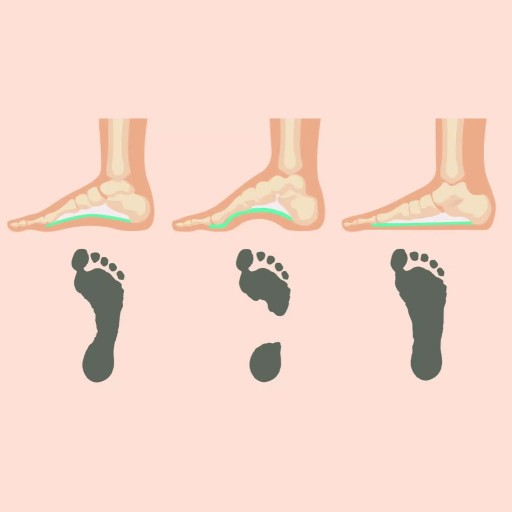
This is the simplest and most intuitive method. You can prepare a basin of water and some clean paper, soak your feet, and step on the paper to make footprints. The footprints of normal arches will have a certain degree of missing in the middle part, showing a crescent-like shape.
This is because the arch is high, so that the middle part of the sole does not completely touch the ground. The footprints of flat feet are relatively complete, almost the entire sole is printed on the paper, and there is no obvious gap in the arch part.
On the contrary, the footprints of high-arched feet will have a larger gap in the middle than the normal arch, and the curve of the arch is steeper. Through this simple footprint observation, you can make a preliminary judgment on your arch type.
Walking posture observation method
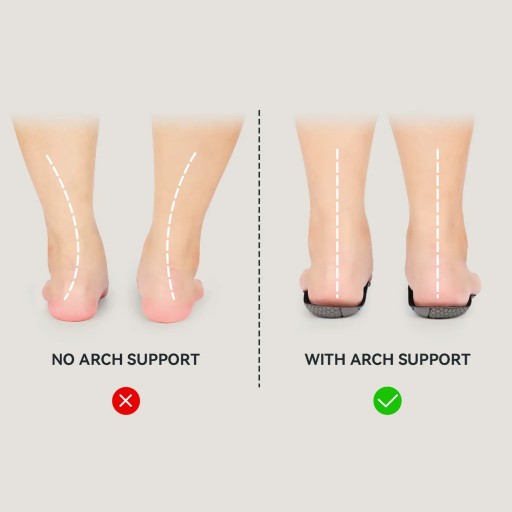
Walking posture can also reflect the health of the arch of the foot. When people with normal arches walk, their steps are steady, and the order and strength of their feet landing are relatively uniform. If you have flat feet, due to the collapse of the arch and lack of effective support, you may walk with your feet turned inward.
Moreover, during walking, because the cushioning function of the arch is weakened, the weight of the body is more concentrated on the inside of the sole, resulting in serious wear of the inner sole, which is usually faster and more obvious than the outer sole.
When people with high arches walk, due to the high arch of the foot and limited flexibility of the foot, their steps may appear stiff and unnatural. In addition, in order to adapt to this high arch structure, they tend to walk on their toes more, which may cause excessive tension in the calf muscles in the long run, and fatigue and pain may occur easily.
Daily feeling judgment method
You can also detect whether the arch of the foot is healthy from your daily physical feelings. A normal arch can effectively disperse the weight of the body and provide good support for the foot, so you will not feel overly tired after standing or walking for a long time.
Flat feet, due to insufficient arch support, bear the body weight for a long time, which can easily cause the muscles and ligaments of the feet to be overstretched, resulting in fatigue and soreness in the feet.
Severe flat feet patients may experience this after walking a short distance, and may even cause diseases such as plantar fasciitis, leading to heel pain. People with high arches often experience local pain in certain parts of the soles of the feet, such as the ball of the foot or the heel, due to the high arches and uneven distribution of pressure on the soles of the feet.
This pain will worsen when walking or standing, and may be relieved after rest. In addition, high arches may also affect the muscle balance of the legs and waist, causing pain and discomfort in the legs and waist.
Professional examination method
If you are still unsure about the condition of your arches, or suspect that there is a problem with your arches, the best way is to seek help from a professional doctor. Doctors usually perform a detailed physical examination, including observing the appearance of the feet, measuring the height of the arches, checking the range of motion of the feet, and assessing muscle strength.
In addition, imaging examinations such as X-rays, CT or MRI may be used to more accurately understand the structure and morphology of the arch of the foot and determine whether there are problems such as bone deformities, joint diseases or soft tissue injuries.
Through professional examinations, doctors can give scientific and accurate diagnoses and develop personalized treatment or correction plans based on specific circumstances.
The health of the arch of the foot has a profound impact on our daily life and physical health. Through the above methods, you can have a more comprehensive understanding of the condition of your arch of the foot.
If you find that there is a problem with the arch of the foot, you should take appropriate measures in time, such as choosing suitable shoes, conducting rehabilitation training or receiving professional treatment, to maintain the health of the arch of the foot and keep in good physical condition.
 1
1 1
1OTHER NEWS
-
- How terrible are carnivorous plants?
- By LH 12 Mar,2025

-
- Have you ever seen a magical plant that can grow by drinking air?
- By LH 14 Mar,2025

-
- Hydroponic plants, gardening tips
- By LH 02 Apr,2025

-
- Sustainable Gardening Starts With Organic Supplies
- By Prodosh Kundu 28 Oct,2024

-
- Vigilance! Keeping these kinds of plants indoors may harm your health
- By ZYY 09 Apr,2025

-
- Do you know these secrets of plants?
- By LH 18 Feb,2025

-
- Planting Tips: Best Indoor Plants Recommendations and Care Guide
- By MTH 18 Feb,2025

-
- How to Choose the Best Lawn and Landscaping Services for Your Home
- By Prodosh Kundu 28 Aug,2024

-
- Here’s a complete guide on what you should prepare before planting your seeds.
- By Prodosh Kundu 18 Jul,2024

-
- From planting to caring for flowers that bloom forever
- By MTH 10 Mar,2025

-
- How do you control pests and diseases in your garden
- By YL 12 Mar,2025

-
- What are the most ugly plants in the gardening world?
- By LH 09 Apr,2025