Five Foods That Promote Brain Health
Your brain deserves better food! You've probably heard the saying, “You are what you eat,” but have you ever thought about how that applies to your brain? Imagine this: you're in your 40s or 50s and suddenly realize that your memory isn't as sharp as it used to be.
You forget where you put your keys, have trouble concentrating at work, and even blank on familiar names. Does that sound familiar? Don't worry, you're not alone. The good news is that your diet directly affects your brain health, memory, concentration, and even your mood.
The brain is a powerful machine that works 24/7, but like any engine, it needs the right fuel to function optimally. So what should you eat to keep your brain sharp and prevent cognitive decline? Let's dive into five scientifically proven brain-boosting superfoods that will help you keep your mind sharp no matter what your age.
1. Fatty Fish
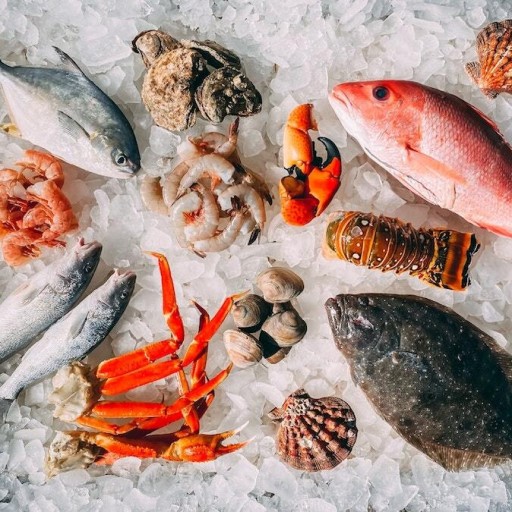
If there's one food the brain loves, it's Fatty Fish. Ever heard of omega-3 fatty acids? These healthy fats are essential for building brain cell membranes and improving communication between brain cells. The best part? Your body can't produce omega-3s on its own, so you have to get them from food. Why is fatty fish so good for the brain? Omega-3 helps to
Enhance memory and learning ability and reduce the risk of Alzheimer's and dementia. Fight depression and anxiety and protect the brain from aging and inflammation. The most beneficial fatty fish for the brain are: salmon, sardines, mackerel, tuna, and herring. Imagine having grilled salmon salad for lunch, drizzled with olive oil and avocado.
Not only does this taste amazing, but your brain cells are cheering you on! Pro tip: Two servings of high-fat fish per week. If you're not a fan of fish, consider fish oil supplements or plant-based sources of omega-3s like chia seeds and flax seeds.
2. Blueberries
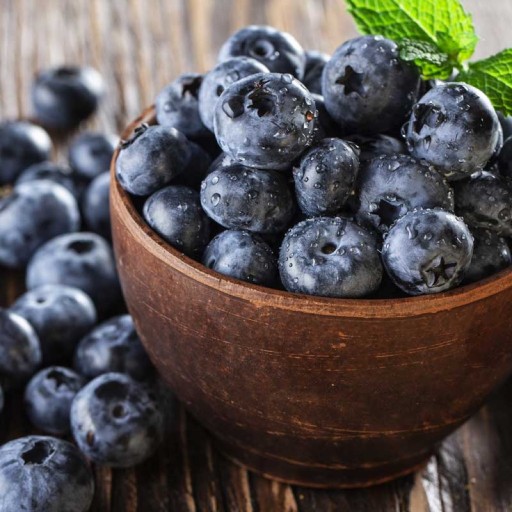
Let's talk about a little fruit with powerful benefits: blueberries. You may have heard that blueberries are good for your skin and heart, but did you know that blueberries are also one of the best foods for your brain? Rich in antioxidants and flavonoids, blueberries protect the brain from oxidative stress and slow brain aging. How do blueberries help the brain?
-Enhances short-term memory and learning ability
-Improves concentration and focus
-Reduce the risk of neurodegenerative diseases such as Alzheimer's.
-Fight inflammation that damages brain cells
How to consume blueberries for maximum brain power? Add blueberries to your morning oatmeal, add blueberries to a smoothie, toss blueberries into a salad, use blueberries as a fresh snack! Picture this: you're in the middle of an important project and feeling exhausted and distracted.
You grab a handful of blueberries and within minutes, your brain feels sharper and more focused. That's the magic of this little berry.
3. dark chocolate
Yes, you read that right. Chocolate is good for the brain! But wait, we're not talking about sugary milk chocolate. We're talking about dark chocolate with at least 70% cocoa. Dark chocolate is rich in flavonoids, caffeine, and antioxidants that enhance brain function and boost mood. How does dark chocolate improve brain health?
-Increases blood flow to the brain
-Improves concentration and alertness
-Reduces stress and anxiety
-Prevents age-related cognitive decline
The best way to enjoy dark chocolate: eat a small piece after lunch, mix it into Greek yogurt, melt it over fruit, make your own smoothie with dark chocolate! You're feeling stressed before an important presentation. Eat a piece of dark chocolate and you'll suddenly feel calmer, more focused, and ready to conquer the world. But remember, the darker the better!
4. Walnuts
Ever notice how walnuts look like a little head? Turns out, nature has been giving us hints all along. Rich in omega-3 fatty acids, antioxidants and vitamin E, walnuts protect brain cells from damage and enhance cognitive function. How do walnuts help the brain?
-Enhances memory and mental clarity
-Reduce the risk of cognitive decline
-Fight brain inflammation
-Supports emotional health
How to add walnuts to your daily diet: Sprinkle walnuts on your morning oatmeal, toss walnuts into a salad, add walnuts to a smoothie, eat walnuts as a snack! You're having a hard time remembering names and tasks at work. You start eating a handful of walnuts every day, and after a few weeks, you feel mentally sharper and more confident.
5. Green leafy vegetables
Your mom was right when she told you to eat more greens. Leafy greens like spinach, kale, and broccoli are rich in vitamins, antioxidants, and folic acid that help slow cognitive decline and protect brain cells from damage. How do green leafy vegetables improve brain health?
-Improve concentration and mental clarity
-Improve blood flow to the brain
-Reduce the risk of Alzheimer's and dementia.
-Remove harmful toxins from the brain
The best leafy greens for the brain: spinach, kale, broccoli, Swiss chard Easy ways to add more greens to your diet: add spinach to your morning smoothie, make a kale salad with avocado and olive oil, add steamed broccoli to pasta, sauté greens! Start your day with a green smoothie and within a few days, you'll feel more focused, energized, and sharp.
Your brain will thank you for eating smarter! Your brain is like a powerful engine that keeps working even when you're sleeping. But if you fuel it with junk food and processed sugar, your brain slows down, ages faster, and loses its sharpness.
By adding fatty fish, blueberries, dark chocolate, walnuts, and leafy greens to your diet, you'll not only improve your memory and focus, you'll also protect yourself from age-related cognitive decline and boost your mood and creativity. So next time you're at the grocery store, skip the chips and soda and fill your cart with these brain-boosting superfoods.
 1
1 1
1OTHER NEWS
-
- Is the smell of mowing the grass a distress signal from plants?
- By LH 21 Feb,2025

-
- How terrible are carnivorous plants?
- By LH 12 Mar,2025

-
- Do you know these secrets of plants?
- By LH 18 Feb,2025

-
- From planting to caring for flowers that bloom forever
- By MTH 10 Mar,2025

-
- Vigilance! Keeping these kinds of plants indoors may harm your health
- By ZYY 09 Apr,2025

-
- How do you control pests and diseases in your garden
- By YL 12 Mar,2025

-
- How to Choose the Best Lawn and Landscaping Services for Your Home
- By Prodosh Kundu 28 Aug,2024

-
- Sustainable Gardening Starts With Organic Supplies
- By Prodosh Kundu 28 Oct,2024

-
- What are the most ugly plants in the gardening world?
- By LH 09 Apr,2025

-
- 15 kinds of flowers suitable for summer
- By LH 31 Mar,2025

-
- Planting Tips: Best Indoor Plants Recommendations and Care Guide
- By MTH 18 Feb,2025

-
- Hydroponic plants, gardening tips
- By LH 02 Apr,2025