Several ways to save your arches!
In our daily life, simple actions such as walking, running, and standing are inseparable from the support of the feet, and the arch of the foot, as an important structure of the feet, plays a key role in the balance and shock absorption of the body.
However, have you noticed that sometimes after walking for a long time, you will feel abnormal soreness in your feet, calves, and even waist, or find that your soles are unevenly worn? These seemingly ordinary phenomena may be a distress signal from the collapse of the arch of the foot.
Arch collapse, also known as flat feet, when the normal curvature of the arch of the foot disappears, the foot loses its due elasticity and support, which will not only make daily activities exhausted, but also cause a series of problems in the knee joint, hip joint, and even spine in the long run, seriously affecting the quality of life.
However, don't worry, today I will introduce to you several effective ways to improve the collapse of the arch of the foot. Let us save the arch of the foot and regain the light and comfortable steps.
Exercise to strengthen the arch muscles
Through targeted exercises, you can strengthen the muscles around the arch of the foot and provide better support for the arch of the foot. First, the toe grabbing exercise. Find a soft towel and spread it on the ground. Sit barefoot on a chair and slowly grab and release the towel with your toes.
Repeat this action 20-30 times each time, and practice 3-4 sets a day. This simple action can exercise the flexor muscles of the toes and enhance the gripping ability of the foot, thereby helping to improve the arch of the foot.
Heel raise training is also a good choice. Stand with your feet together, hold a fixed object with your hands to maintain balance, then slowly tiptoe and raise your heels as high as possible, feel the contraction of the back of the calf and the arch of the foot, hold at the highest point for 2-3 seconds, and then slowly lower your heels.
Perform 15-20 times per set, and do 3-5 sets a day. Heel raise training can effectively exercise the calf muscles, especially the gastrocnemius and soleus muscles. These muscles are closely related to the stability of the arch of the foot. After the muscle strength is strengthened, it can better help the arch of the foot maintain its normal shape.
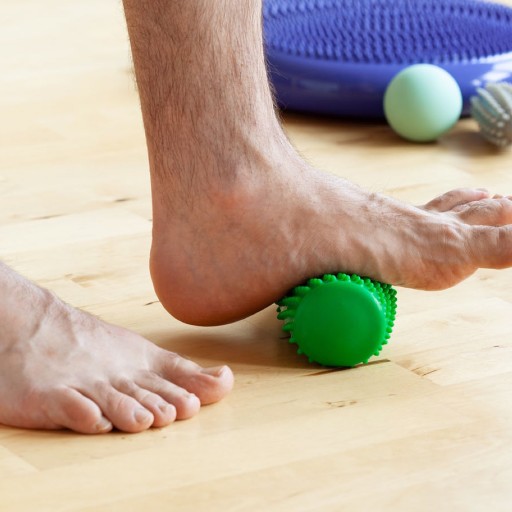
Choose the right shoes
Shoes are the close friends of your feet. A pair of suitable shoes is essential to improve arch collapse. Choose shoes with good arch support, such as professional sports shoes. They usually take the shape of the arch into consideration in the design of the sole and insole, which can provide moderate support for the arch and reduce the pressure on the arch.
Avoid wearing flat shoes and high heels. Flat shoes cannot provide enough support for the arch, while high heels will change the center of gravity of the body, causing the arch to bear greater pressure and aggravate the degree of arch collapse.
In addition, the size of the shoes should be appropriate, not too tight or too loose. Too tight shoes will bind the feet and affect blood circulation, while too loose shoes will not provide stable wrapping and are not conducive to walking.
When buying shoes, it is best to go in the afternoon or evening, because the feet will be slightly swollen at this time than in the morning. After trying on, you can ensure that the shoes can be worn comfortably at different times of the day.
With the help of auxiliary devices
Arch support pads are commonly used auxiliary devices to improve arch collapse. It can be placed inside the shoe to provide personalized support according to the shape and collapse of the individual arch, helping the arch to restore its normal curvature.
When choosing an arch support pad, pay attention to the comfort and elasticity of the material, as well as whether the support strength is appropriate. Generally speaking, you can choose a pad with moderate support strength in the early stage, and then gradually adjust the support strength as the arch condition improves.
In addition to support pads, corrective insoles can also play a certain role. Corrective insoles are professionally designed to correct the force distribution of the foot, reduce the burden on the arch, and promote the recovery of the arch.
For people with more severe arch collapse, it is recommended to choose and use corrective insoles under the guidance of a doctor or professional rehabilitation therapist to ensure its effectiveness and safety.
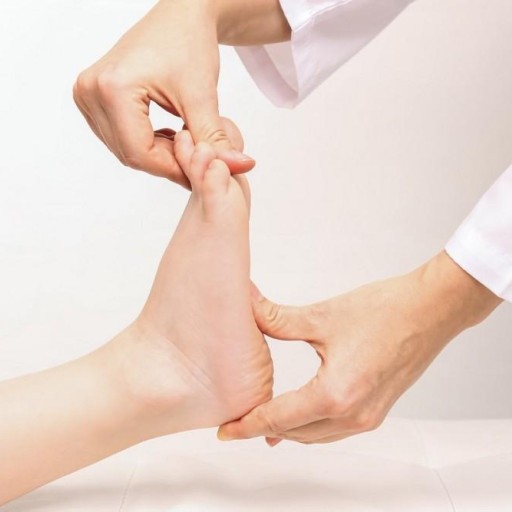
Adjusting lifestyle habits
Some small habits in daily life can also play a positive role in improving arch collapse. Try to avoid standing or walking for long periods of time. If you need to stand for a long time at work, you may wish to move your feet every once in a while, do some simple tiptoeing and ankle rotation movements to promote blood circulation in the feet.
When resting, raise your feet above the level of your heart, which can help blood return and reduce swelling and fatigue in your feet.
In addition, weight control is also very important. Being overweight will put more pressure on the arch of the foot and aggravate the collapse of the arch. Maintaining a healthy weight through a reasonable diet and proper exercise can effectively reduce the burden on the arch of the foot and create good conditions for the recovery of the arch of the foot.
Arch collapse is not impossible to improve. As long as we pay attention to it, through scientific exercise, correct shoe selection, reasonable use of auxiliary equipment and the development of good living habits, we can gradually improve the condition of arch collapse, let our feet have healthy and strong arches again, and enjoy the joy of every step easily.
Let us take action from now on, take responsibility for our own arch health, and move towards a better life.
 1
1 1
1OTHER NEWS
-
- Is the smell of mowing the grass a distress signal from plants?
- By LH 21 Feb,2025
-
- How terrible are carnivorous plants?
- By LH 12 Mar,2025

-
- Do you know these secrets of plants?
- By LH 18 Feb,2025

-
- From planting to caring for flowers that bloom forever
- By MTH 10 Mar,2025

-
- Vigilance! Keeping these kinds of plants indoors may harm your health
- By ZYY 09 Apr,2025
-
- How do you control pests and diseases in your garden
- By YL 12 Mar,2025
-
- How to Choose the Best Lawn and Landscaping Services for Your Home
- By Prodosh Kundu 28 Aug,2024

-
- Sustainable Gardening Starts With Organic Supplies
- By Prodosh Kundu 28 Oct,2024

-
- What are the most ugly plants in the gardening world?
- By LH 09 Apr,2025

-
- 15 kinds of flowers suitable for summer
- By LH 31 Mar,2025

-
- Planting Tips: Best Indoor Plants Recommendations and Care Guide
- By MTH 18 Feb,2025

-
- Hydroponic plants, gardening tips
- By LH 02 Apr,2025