Stretching and fitness: stretching before fitness vs stretching after fitness, an indispensable perfect partner
In modern fitness concepts, stretching is often overlooked or simplified, especially in the busy schedules of many people, stretching is easily skipped. However, stretching before and after fitness is undoubtedly an important part of the fitness process, and they play an indispensable role in our body at different stages.
Whether you are a beginner or an experienced fitness enthusiast, understanding the impact of stretching before and after fitness on the body and arranging stretching time reasonably can better improve the exercise effect, reduce sports injuries, and help muscles recover after each exercise.
Stretching before fitness: wake up the body and prepare for challenges
Pre-fitness stretching, commonly known as dynamic stretching, is a way to gradually adapt various parts of the body to the intensity and rhythm of the upcoming exercise through exercise. This stretching method helps activate muscles, improve joint mobility, and lay a good foundation for the next high-intensity exercise.
1. Increase muscle temperature and flexibility
Before we start high-intensity exercise, stretching can help increase muscle temperature. After a period of stretching, muscle blood flow increases and tissue elasticity is improved. In this way, the flexibility of muscles and ligaments will be significantly improved, effectively reducing the risk of strains and sprains.
2. Improve the range of motion of joints
Stretching is not only to relax muscles, it also helps to increase the range of motion of joints. Through dynamic stretching movements, every joint in the body, especially the shoulders, hips and knees, will be more flexible. Increasing joint mobility can help improve athletic performance, especially in high-intensity exercise, to avoid limited movement due to joint stiffness.
3. Activate the nervous system and improve athletic performance
Dynamic stretching can also wake up the nervous system and promote the coordination of nerves and muscles. Through smooth stretching movements, the speed of nerve reaction is improved, allowing the body to respond to exercise signals more quickly. This is crucial for sports that require high explosive power, such as sprinting and weightlifting.
4. Psychological preparation and adjustment of mentality
Stretching before fitness can also help people better adjust their mental state. The sense of rhythm and breathing control in stretching movements gradually put people into a state of concentration, thereby reducing anxiety and tension during exercise.
Many athletes regard stretching as a process of dialogue with their inner selves, which helps us relax and prepare for the upcoming sports challenges.
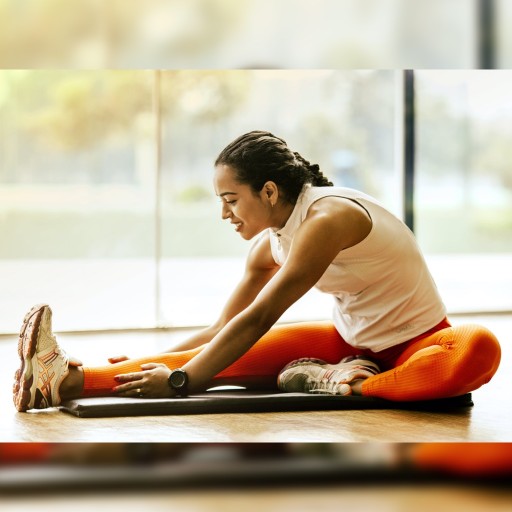
Stretching after fitness: Relaxation and recovery to avoid muscle stiffness
Unlike dynamic stretching before fitness, stretching after fitness is static stretching. At this time, the body has completed the exercise and the muscles are in a relatively tense state. Static stretching not only helps to accelerate muscle recovery, but also reduces soreness and avoids muscle stiffness.
1. Relieve muscle tension and reduce lactic acid accumulation
During fitness, especially after strength training or high-intensity aerobic exercise, muscles tend to produce a large amount of lactic acid and metabolic waste.
Through static stretching, the muscles are stretched and blood flow increases, which helps to clear lactic acid accumulation, thereby reducing muscle soreness and stiffness. In addition, stretching can relax the fascia and help muscles recover better.
2. Promote blood circulation and accelerate recovery
After exercise, static stretching can promote blood circulation throughout the body, help the body to excrete waste generated during exercise in time, and bring more oxygen and nutrients to tired muscles. Studies have shown that improved blood circulation can accelerate the recovery process of muscles, reduce discomfort after exercise, and help us prepare for the next exercise.
3. Improve flexibility and agility
Long-term static stretching helps improve the flexibility and agility of the body. This is essential for improving body posture and maintaining good athletic performance. Proper static stretching after exercise can effectively improve muscle extensibility and reduce body stiffness, thereby reducing the possibility of sports injuries during future exercise.
4. Enhance psychological relaxation and self-regulation ability
After each fitness session, proper static stretching is not only a physical relaxation, but also a psychological relaxation. The slow rhythm of stretching and deep breathing can help us slow down our heartbeat, adjust our breathing, relax our body and mind, and reduce tension and fatigue.
This process helps to eliminate post-exercise stress, restore a good mentality, and return our body and mind to calmness.
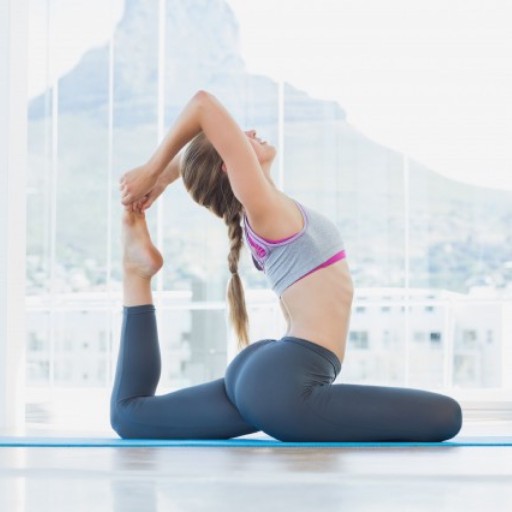
How to stretch effectively
1. Pre-fitness stretching techniques:
High leg raises: By alternately raising your legs, activate the thigh and buttocks muscles and help improve lower limb flexibility.
Arm circles: Through front and back arm circle movements, move your shoulders to help the shoulder joints get fully warmed up.
Kick your hips: Through leg kicks, move your hip joints and activate the buttocks and posterior thigh muscles.
Rotate your trunk: Through gentle torso twisting movements, help the waist and back muscles prepare for exercise.
2. Post-fitness stretching tips:
Standing forward bend: Stand with your legs slightly bent, slowly bend forward, and relax your back and leg muscles.
Calf stretch: Support the wall or table with your hands, point your toes forward, and stretch your calf muscles.
Thigh front stretch: Stand, pull the ankle of one foot toward your hips, maintain this position, and stretch the front thigh muscles.
Back stretch: Sit down, straighten your legs, slowly bend your body forward, and feel the stretch in your back.
Conclusion: Stretching is the best partner for fitness
The importance of stretching before and after fitness is unquestionable. It is not only a "warm-up" for the body, but also helps muscle recovery and flexibility. If you want to get better results through fitness, avoid sports injuries, and improve your overall health, then don't ignore stretching as a key link every time you exercise.
Incorporating stretching before and after fitness into your fitness plan to create a more perfect body will not only allow you to avoid injuries during exercise, but also help you achieve your fitness goals faster and enjoy every moment of a healthy life.
So, whether you are just starting to exercise or have already gone a long way on the road to fitness, remember: stretching is the perfect partner between you and fitness.
 1
1 1
1OTHER NEWS
-
- How terrible are carnivorous plants?
- By LH 12 Mar,2025

-
- Have you ever seen a magical plant that can grow by drinking air?
- By LH 14 Mar,2025

-
- Hydroponic plants, gardening tips
- By LH 02 Apr,2025

-
- Sustainable Gardening Starts With Organic Supplies
- By Prodosh Kundu 28 Oct,2024

-
- Vigilance! Keeping these kinds of plants indoors may harm your health
- By ZYY 09 Apr,2025

-
- Do you know these secrets of plants?
- By LH 18 Feb,2025

-
- Planting Tips: Best Indoor Plants Recommendations and Care Guide
- By MTH 18 Feb,2025

-
- How to Choose the Best Lawn and Landscaping Services for Your Home
- By Prodosh Kundu 28 Aug,2024

-
- Here’s a complete guide on what you should prepare before planting your seeds.
- By Prodosh Kundu 18 Jul,2024

-
- From planting to caring for flowers that bloom forever
- By MTH 10 Mar,2025

-
- How do you control pests and diseases in your garden
- By YL 12 Mar,2025

-
- What are the most ugly plants in the gardening world?
- By LH 09 Apr,2025