Is it really healthier to be a vegetarian
Vegetarianism is becoming increasingly popular in today's food culture, and many people are convinced that eating a vegetarian diet is a shortcut to good health. However, the relationship between vegetarianism and health is not so simple and straightforward.
I. Nutritional Composition of Vegetarian Food
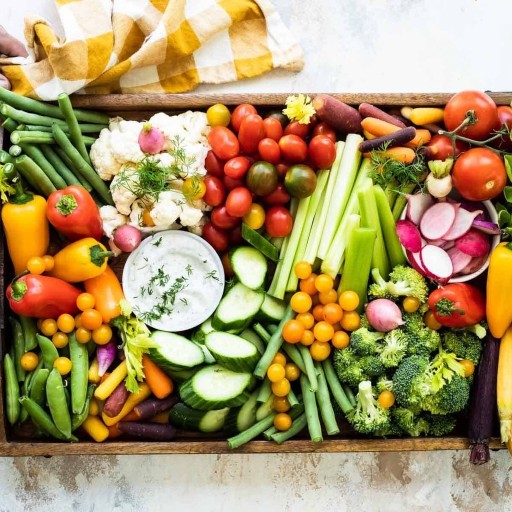
Vegetarian diet mainly includes foods such as vegetables, fruits, grains, legumes, nuts and seeds. These foods are rich in a variety of nutrients. For example, vegetables are a great source of vitamins, minerals and dietary fiber.
Green leafy vegetables such as spinach and lettuce are rich in vitamin K, folic acid, and vitamin C. Of these, vitamin K plays a key role in blood clotting and bone health, folic acid is essential in cell division and DNA synthesis, and vitamin C is a powerful antioxidant that helps boost immunity and promotes iron absorption.
Fruits are also an important part of a vegetarian diet. They are rich in natural sugars, vitamins and water. Fruits like oranges are rich in vitamin C, which helps fight infections and maintain healthy skin, while bananas are rich in potassium, which is important for maintaining proper heart function and muscle contraction.
Grains like rice and wheat are the main source of carbohydrates that provide energy to the body. Legumes, on the other hand, are a source of high-quality plant proteins. Soybeans, for example, are rich in soy protein, the quality of which is comparable to that of animal proteins.
In addition, legumes contain dietary fiber, iron, zinc and other nutrients. Nuts and seeds contain healthy fats, proteins and dietary fiber, such as the unsaturated fats in almonds that help lower cholesterol levels.

II. Positive health effects of a vegetarian diet
In some ways, a vegetarian diet does have a positive impact on health. First, vegetarian diets are rich in dietary fiber. A diet high in dietary fiber helps promote intestinal motility and prevent constipation. It also regulates the intestinal flora.
Beneficial bacteria grow and multiply under the nourishment of dietary fiber, which helps to maintain the balance of intestinal microecology, thus improving intestinal immunity and reducing the risk of intestinal diseases, such as colon cancer.
Secondly, a vegetarian diet is associated with a reduced risk of certain chronic diseases. Studies have shown that people who consume a vegetarian diet over a long period of time have a relatively lower risk of cardiovascular disease.
This may be due to the lower content of saturated fat in vegetarian diets, which is an important factor in elevated blood cholesterol and hence cardiovascular disease, as a result of excessive intake of saturated fat. Meanwhile, vegetarian diets are rich in antioxidants such as vitamins C and E.
These antioxidants help to scavenge free radicals from the body and reduce cell damage caused by free radicals, thus protecting the cardiovascular system.
Further, for weight management, a vegetarian diet has certain advantages. Vegetarian diets are more advantageous in controlling calorie intake as they are relatively low in fat and rich in dietary fiber, which makes it easy to feel full.
This helps to avoid overeating, which in turn helps to maintain a healthy weight. A vegetarian diet is a good choice for those who want to lose weight or control their weight.
III. Possible Health Risks of a Vegetarian Diet
A vegetarian diet is not completely free of health risks. One of the main problems is the possibility of protein deficiency. Although plant foods such as legumes contain protein, the absorption and utilization of plant proteins is relatively low compared to animal proteins.
For example, the amino acid composition in animal proteins is closer to the body's needs, whereas plant proteins may be deficient in certain essential amino acids. Vegetarians are prone to protein deficiency if they don't pay attention to their food combinations, which can lead to health problems such as muscle wasting and reduced immunity.
Vitamin B12 deficiency is also a major problem faced by vegetarians. Vitamin B12 is mainly found in animal foods such as meat, eggs, and dairy products. Plant foods contain little to no vitamin B12, and long-term deficiency can affect the normal function of the nervous system, leading to anemia, fatigue, memory loss, and other symptoms.
Vegetarians may also develop iron deficiency anemia if they don't pay attention to their iron intake. Although plant foods contain iron, the absorption rate of this iron is low and it is not as easily absorbed by the body as heme iron in animal foods.
Therefore, vegetarians need to pay more attention to the sources of iron intake and take appropriate measures to improve the absorption rate of iron, such as consuming it together with vitamin C-rich foods.
IV. Nutritional Supplement Recommendations for Vegetarians
For those who choose a vegetarian diet, proper nutritional supplementation is very important in order to ensure good health. First of all, ensure adequate protein intake. This can be achieved by combining a variety of plant foods.
For example, beans and grains can be eaten together, like soybeans and rice cooked together as beans and rice, which can improve the nutritional value of plant protein. You can also choose some protein-rich plant-based food alternatives, such as tofu and soy milk from soy products.
To supplement vitamin B12, you can choose to consume foods with added vitamin B12, such as certain fortified breakfast cereals and nutritional yeast. In addition, regular blood tests are performed so that vitamin B12 deficiency can be detected and supplemented accordingly.
For iron supplementation, in addition to consuming iron-rich plant foods, such as spinach and beans, you can also consume them together with vitamin C-rich foods, such as oranges and strawberries, in order to improve iron absorption. Also, consider using iron supplements as recommended by your doctor.
V. Health Considerations for Different Types of Vegetarians
Vegetarians can also be categorized into different types, such as eggnog vegetarians and vegans, etc. Different types of vegetarians face different health considerations.
Egg-lacto-vegetarians who include eggs and dairy products in their diets have an advantage in terms of nutritional access compared to vegans. Eggs are a good source of high-quality protein and contain a variety of vitamins and minerals, such as vitamins A, D, and B vitamins.
Dairy products are also a great source of nutrients such as calcium, protein and vitamin B2. So eggnog vegetarians have a relatively easier time getting nutrients like protein, vitamin B12 and calcium.
Vegetarians, on the other hand, need to plan their diets more carefully. They need to focus more on a diverse selection of plant-based foods to ensure that they are getting enough of a variety of nutrients.
For example, vegans need to look for more alternative sources of calcium, such as calcium from green leafy vegetables, calcium from soy products, and some plant foods that are fortified with calcium.

VI. Integration of Healthy Eating
Whether it is a vegetarian diet or a diet that includes animal foods, health depends not only on the type of food, but is also closely related to overall diet quality, lifestyle and other factors.
In terms of diet quality, both vegetarians and non-vegetarians should focus on food variety. Eat a variety of colorful vegetables and fruits and make sure you are getting a variety of vitamins, minerals and antioxidants. Choose whole grains over refined grains for more dietary fiber and nutrients. Also, controlling your intake of oil, salt and sugar is key to maintaining a healthy diet.
Lifestyle also has a significant impact on health. Moderate exercise helps maintain muscle mass, improve metabolism and cardiovascular health. Adequate sleep helps the body to recover and various physiological functions to function properly.
Reducing stress is also an important factor in maintaining good health. Chronic states of high stress may affect appetite, digestion and the immune system.
There is no simple answer to whether a vegetarian diet is healthier. Vegetarian diets have their nutritional advantages, such as being rich in dietary fiber and lower in saturated fat, but there are also some potential health risks, such as protein, vitamin B12 and iron deficiencies.
For those who choose a vegetarian diet, they need to pay more attention to a balanced intake of nutrients, and ensure their health through sensible food combinations and necessary nutritional supplements.
And for non-vegetarians, they can also learn from the healthy concepts of vegetarianism and increase the proportion of plant-based foods in their diets to achieve a healthier eating pattern. Ultimately, a healthy diet is a holistic consideration that needs to incorporate a number of factors such as an individual's dietary preferences, health status and lifestyle.
 1
1 1
1OTHER NEWS
-
- How terrible are carnivorous plants?
- By LH 12 Mar,2025

-
- Have you ever seen a magical plant that can grow by drinking air?
- By LH 14 Mar,2025
-
- What are the most ugly plants in the gardening world?
- By LH 09 Apr,2025

-
- The natural choice for indoor air purification five high-quality greenery recommendations
- By YL 14 Mar,2025

-
- From planting to caring for flowers that bloom forever
- By MTH 10 Mar,2025

-
- Hydroponic plants, gardening tips
- By LH 02 Apr,2025
-
- 15 kinds of flowers suitable for summer
- By LH 31 Mar,2025

-
- Vigilance! Keeping these kinds of plants indoors may harm your health
- By ZYY 09 Apr,2025

-
- How do you control pests and diseases in your garden
- By YL 12 Mar,2025

-
- Sustainable Gardening Starts With Organic Supplies
- By Prodosh Kundu 28 Oct,2024

-
- How to Choose the Best Lawn and Landscaping Services for Your Home
- By Prodosh Kundu 28 Aug,2024

-
- Planting Tips: Best Indoor Plants Recommendations and Care Guide
- By MTH 18 Feb,2025