What to do with greasy scalp? Solve the problem of excessive oil secretion of scalp from the root!
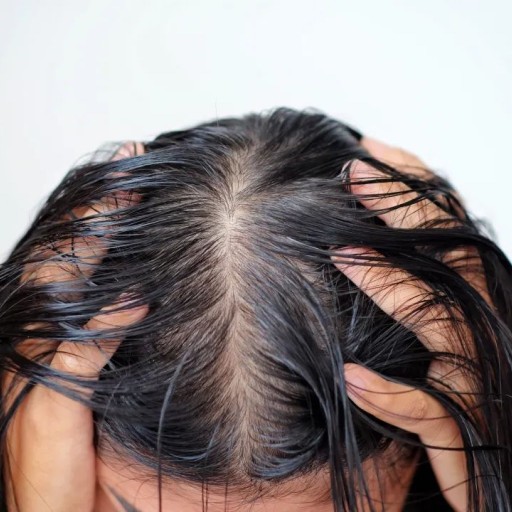
Greasy hair is a problem faced by many people, especially those with oily hair. Just after washing your hair in the morning, after a few hours, your hair begins to look shiny and greasy, especially the roots of the hair, as if it is tailor-made for oil.
This phenomenon is not only troubling, but also prone to cause dandruff, sparse hair and other problems. In fact, greasy scalp is not only due to lack of timely cleaning, but there are many deep-seated reasons behind it. From diet, lifestyle to hair care methods, they may affect the oil secretion of the scalp.
In this article, we will explore how to solve the problem of greasy scalp from the root, help you say goodbye to the "greasy feeling" completely, and have a refreshing and healthy scalp and hair.
Understand the root cause of greasy scalp
The root cause of greasy scalp is usually directly related to excessive secretion of oil glands. There are a large number of sebaceous glands on the scalp, which are responsible for secreting oil to protect the scalp and hair and prevent moisture loss.
However, if the oil secretion is excessive, it is easy to become greasy. In addition to oil secretion, the following factors may also exacerbate this problem:
Genetic factors: If your parents have oily hair, then you are likely to inherit the physique of oily scalp.
Hormonal changes: Changes in hormone levels in the body (such as during puberty, menstrual cycle or pregnancy) can lead to increased secretion of sebaceous glands. In particular, male hormones (such as testosterone) can promote sebum secretion, resulting in greasy scalp.
Bad eating habits: Foods high in sugar, fat, spicy and other foods can promote oil secretion, resulting in greasy scalp. Excessive intake of junk food, fried food and dairy products will affect hormone levels in the body, thereby exacerbating scalp problems.
Stress and mood swings: Long-term excessive stress or emotional instability can lead to increased levels of cortisol in the body. The increase in this hormone can easily stimulate the sebaceous glands to secrete too much oil.
Frequent shampooing and over-cleaning: Although shampooing is the key to clean hair and scalp, frequent washing or using shampoos with too strong degreasing ingredients will disrupt the natural oil balance of the scalp and cause the sebaceous glands to secrete too much oil to compensate.
Improper use of care products: If you use shampoo, conditioner or styling products that are not suitable for your scalp type, it may increase oil secretion. For example, using overly moisturizing or greasy products will increase the burden on the scalp and make the oil secretion more vigorous.
How to solve the problem of oily scalp from the root?
To solve the problem of oily scalp from the root, in addition to adjusting the way of scalp care, you also need to improve your diet and habits in life. The following are several effective measures:
1. Adjust the diet structure and avoid irritating foods
Diet has a direct impact on scalp health. If you often consume high-sugar and high-fat foods, it may cause the sebaceous glands to secrete too much oil, which in turn aggravates the problem of oily scalp. Therefore, adjusting the diet structure and keeping a light and balanced diet can help slow down the excessive secretion of oil.
Eating more fiber-rich foods: such as fruits, vegetables, whole grains, etc., can help improve the body's oil metabolism.
Reduce the intake of high-sugar and high-fat foods: such as fried foods, desserts, processed foods, etc., these foods are easy to promote oil secretion and may aggravate the oiliness of the scalp.
Increase the intake of high-quality protein: such as fish, beans, lean meat, eggs, etc., can provide sufficient nutrition for hair and help improve the condition of greasy scalp.

2. Maintain appropriate shampooing frequency and correct shampooing method
Shampooing is an important step in controlling greasy scalp, but excessive cleaning will be counterproductive. Washing hair too frequently can easily lead to excessive loss of scalp oil, and the sebaceous glands will accelerate the secretion of oil to compensate, forming a vicious circle.
The best shampooing frequency varies from person to person. Generally speaking, people with oily hair can wash their hair 2 to 3 times a week, while people with neutral or dry hair can wash their hair 1 to 2 times a week.
Correct shampooing steps:
Warm water shampooing: Washing hair with warm water helps open pores and remove grease and dirt from the scalp.
Choose a suitable shampoo: Friends with oily scalp should choose oil-control and refreshing shampoos, and avoid using shampoo products that are too moisturizing or contain silicone ingredients.
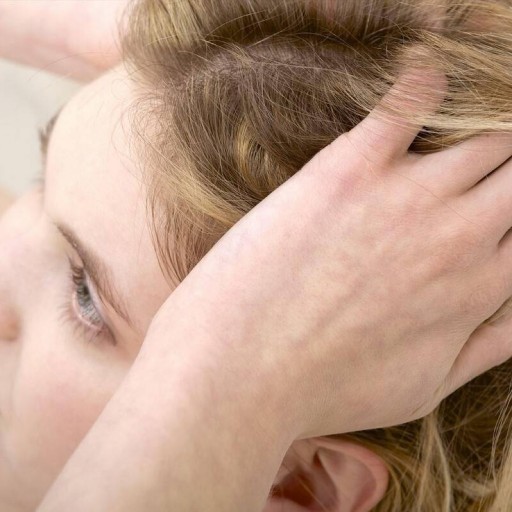
Massage your scalp: When washing your hair, use your fingertips to gently massage your scalp to promote blood circulation and help clean your pores, while avoiding excessive friction to reduce damage to your scalp.
3. Choose the right hair care products
The choice of hair care products is also very critical. Overly greasy or moisturizing conditioners can make your scalp more oily. Choose a refreshing conditioner that does not contain oil, and avoid applying conditioner directly to your scalp. Use conditioner on the ends of your hair to avoid stimulating the oil secretion of your scalp.
4. Manage stress and emotions
Stress and mood swings can cause hormone levels in the body to be disrupted, which in turn stimulates the sebaceous glands to secrete more oil. By managing stress and regulating your emotions, you can not only improve your overall health, but also indirectly reduce the degree of oiliness on your scalp. Try meditation, deep breathing exercises, or some soothing exercises such as yoga and walking to relieve stress.
5. Exfoliate regularly to clean your pores
Regular exfoliation helps remove dead skin cells and excess oil from your scalp and avoid clogged pores. Use a mild scalp exfoliating product and gently massage the scalp to help remove the aging cuticle and keep the scalp fresh and unobstructed.

Tips for scalp care: natural diet therapy
In addition to conventional hair care methods, natural diet therapy can also be used as an effective supplement to help solve the problem of greasy scalp. The following are several common natural remedies:
Tea tree oil: Tea tree oil has antibacterial, oil control and cleansing effects, which can help balance the oil secretion of the scalp. You can mix a few drops of tea tree oil with shampoo, or apply it directly to the scalp before shampooing, gently massage for 10 minutes and then rinse.
Apple cider vinegar: Apple cider vinegar can balance the pH value of the scalp and regulate oil secretion. Use apple cider vinegar and water diluted in a ratio of 1:3 as the last rinse water to effectively relieve the greasy problem.
Lemon juice: Lemon juice has a refreshing and oil-control effect, is rich in vitamin C, and helps purify the scalp. Mix lemon juice with water, apply it to the scalp, let it stand for 5 minutes and rinse.
The formation of greasy scalp is not a matter of one day or one night, it is often the result of multiple factors. Through all-round adjustments from diet, lifestyle to hair care methods, we can gradually improve the problem of greasy scalp.
The key is to find a care method that suits you, maintain a healthy balance of the scalp, and avoid falling into a vicious cycle. As long as we adhere to scientific and meticulous care methods, greasy scalp will no longer bother you, and refreshing and healthy hair will return to your life!
 1
1 1
1OTHER NEWS
-
- Sustainable Gardening Starts With Organic Supplies
- By Prodosh Kundu 28 Oct,2024

-
- From planting to caring for flowers that bloom forever
- By MTH 10 Mar,2025

-
- Growing For The Planet: How Sustainable Gardening Practices Can Help To Mitigate Climate Change
- By Prodosh Kundu 28 Oct,2024
-
- How terrible are carnivorous plants?
- By LH 12 Mar,2025
-
- The Five Best Flowers for Newbies to Keep Alive
- By MTH 14 Mar,2025

-
- Hydroponic plants, gardening tips
- By LH 02 Apr,2025
-
- Planting Tips: Best Indoor Plants Recommendations and Care Guide
- By MTH 18 Feb,2025

-
- Is the smell of mowing the grass a distress signal from plants?
- By LH 21 Feb,2025

-
- The natural choice for indoor air purification five high-quality greenery recommendations
- By YL 14 Mar,2025

-
- How do you control pests and diseases in your garden
- By YL 12 Mar,2025

-
- How Organic Gardening Supplies Can Transform Your Garden And The Environment?
- By Prodosh Kundu 28 Oct,2024

-
- How to Choose the Best Lawn and Landscaping Services for Your Home
- By Prodosh Kundu 28 Aug,2024