Healthy Aging: How Older Adults Can Get Rid of Chronic Diseases
With the aggravation of population aging, chronic diseases have become an important factor affecting the health and quality of life of the elderly. How to free the elderly from chronic diseases and realize healthy aging is a topic of common concern for the whole society.
Chronic diseases: the “invisible killer” of elderly health
Chronic diseases, the full name of chronic non-communicable diseases, is not specifically referring to a disease, but a class of insidious onset of disease, long and prolonged illness, the lack of evidence of a precise infectious biological etiology, the cause of the complexity of the disease, and some of the disease has not yet been fully recognized as a generalized general term.
Cardiovascular and cerebrovascular diseases, diabetes mellitus, malignant tumors, chronic respiratory diseases and so on belong to the category of chronic diseases.
For the elderly, the impact of chronic diseases is multifaceted. Physically, chronic diseases often lead to a variety of uncomfortable symptoms, such as hypertension patients may often feel headache, dizziness, diabetes patients may drink more, eat more, urinate more and weight loss and other symptoms.
These symptoms seriously affect the daily life of the elderly, so that their ability to move around is limited, and it becomes difficult to take care of their own lives. Psychologically, suffering from chronic diseases for a long time, the elderly are prone to negative emotions such as anxiety and depression, and lose confidence in life.
Moreover, the treatment of chronic diseases often requires long-term medication and regular follow-ups, which undoubtedly brings a heavy financial burden to the family.
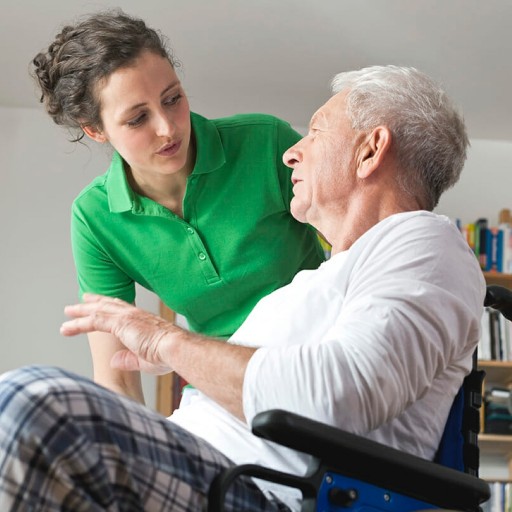
Common Chronic Diseases in the Elderly
Hypertension
Hypertension is one of the most common chronic diseases among the elderly. As we age, the walls of blood vessels lose their elasticity and become stiff and narrow, leading to increased blood pressure. In addition to this, genetic factors, high salt diet, lack of exercise, and chronic stress are also important causes of hypertension.
Long-term high blood pressure will cause damage to vital organs such as the heart, brain, kidneys and eyes, increasing the risk of coronary heart disease, cerebral hemorrhage, kidney failure, fundus lesions and even blindness.
Diabetes
Elderly people are also at high risk of diabetes. Part of the elderly diabetic patients are young when the onset of the disease continued into old age, another part of the onset of the disease in the elderly stage.
Declining body functions, insufficient insulin secretion or insensitivity of the body to insulin, coupled with poor lifestyle, such as high-calorie diets and little exercise, make the chances of the elderly suffering from diabetes greatly increased.
Diabetes itself is not scary, what is scary is the various complications caused by it, such as diabetic nephropathy, diabetic retinopathy, diabetic foot and so on, which can lead to disability or even life-threatening when these complications are serious.
Cardiovascular disease
Cardiovascular diseases account for a high proportion of chronic diseases in the elderly. Atherosclerosis is the main pathological basis of cardiovascular disease, with age, lipid deposition in blood vessels, the formation of atherosclerotic plaques, resulting in blood vessel narrowing or even blockage.
Coronary heart disease is one of the common cardiovascular diseases, and patients will experience symptoms such as angina pectoris and myocardial infarction. In addition, cardiovascular diseases such as arrhythmia and heart failure are also threatening the health of the elderly, seriously affecting their quality of life and longevity.

Chronic Obstructive Pulmonary Disease
Chronic Obstructive Pulmonary Disease (COPD) is a form of chronic bronchitis and/or emphysema characterized by airflow obstruction, which can further develop into pulmonary heart disease and respiratory failure. Long-term smoking, air pollution, occupational dust and chemical exposure are the main causes of COPD.
Elderly people are more susceptible to these factors and develop the disease due to decreased respiratory system function. Patients will experience symptoms such as chronic cough, sputum, shortness of breath or dyspnea. As the disease progresses, activity endurance gradually decreases, and in severe cases, they may even feel dyspnea while resting.
The “golden key” to get rid of chronic diseases
Reasonable diet
Reasonable diet is the basis for preventing and controlling chronic diseases. Elderly people should follow the dietary principles of low salt, low sugar and low fat. Reducing the intake of sodium and salt to no more than 5 grams of salt per person per day can effectively reduce the risk of hypertension.
Controlling the intake of sugar and avoiding excessive sweets and sugar-sweetened beverages can help to prevent diabetes; reducing the intake of high-fat foods such as animal fats and deep-fried foods and increasing the intake of unsaturated fatty acids, such as eating more fish and nuts, is conducive to cardiovascular health.
At the same time, to ensure adequate intake of dietary fiber, eat more vegetables, fruits, whole grains and other foods to promote intestinal peristalsis, prevent constipation and reduce the risk of cardiovascular disease and certain cancers.
Moderate exercise
Moderate exercise is crucial for the elderly to maintain good health. Exercise can enhance cardiorespiratory function, improve body immunity, improve muscle strength and joint flexibility, help control body weight and reduce the risk of chronic diseases. Older adults can choose the type of exercise that suits them, such as walking, tai chi and yoga.
At least 150 minutes of moderate-intensity aerobic exercise per week, such as brisk walking, at a speed of about 100 - 120 steps per minute; strength training can also be carried out twice, such as using lighter dumbbells to carry out simple arm strength exercises, or leg strength training such as leg lifting and deep squatting. Exercise should be gradual to avoid overwork and injury.
Stop Smoking and Limit Alcohol
Smoking and excessive alcohol consumption are important risk factors for many chronic diseases. Harmful substances such as nicotine and tar in tobacco can damage the endothelial cells of blood vessels, leading to vasoconstriction, elevated blood pressure and increased risk of cardiovascular disease and lung cancer.
Alcohol, on the other hand, can cause damage to the liver, heart and other organs, and long-term excessive alcohol consumption may also trigger hypertension, cardiomyopathy and other diseases.
Elderly people should quit smoking as much as possible to avoid inhaling second-hand smoke; for drinking alcohol, it should be in moderation, with the amount of alcohol consumed not exceeding 25 grams per day for men and 15 grams per day for women.

Regular medical checkups
Regular medical checkups are an important means of early detection of chronic diseases. Through medical checkups, one can learn about the changes in various indicators of the body, such as blood pressure, blood sugar, blood lipids, etc., so as to achieve early detection, early diagnosis and early treatment.
Elderly people should undergo a comprehensive physical examination at least once a year, including physical examination, blood test, electrocardiogram, abdominal ultrasound and other items.
For older people who are already suffering from chronic diseases, it is important to follow the doctor's advice for regular follow-ups to monitor changes in their conditions and adjust treatment plans.
Follow doctor's advice
Once diagnosed with a chronic disease, seniors should strictly follow their doctor's instructions. Taking medication on time is the key to controlling chronic diseases, and it is important not to increase or decrease the dosage of medication or stop taking medication at will to avoid aggravation or recurrence of the disease.
At the same time, it is important to actively cooperate with the doctor for other treatments. For example, diabetic patients may need comprehensive treatments such as dietary control, exercise therapy and blood glucose monitoring; hypertensive patients need to pay attention to lifestyle adjustments in addition to taking medication.
In the course of treatment, if any discomfort or doubt arises, communicate with your doctor in a timely manner.
Psychological adjustment
Chronic illnesses can easily cause the elderly to have adverse psychological emotions, and negative emotions will in turn affect the condition. Therefore, the elderly should learn to self-regulate psychologically and maintain a positive and optimistic mindset.
They can enrich their lives by participating in social activities and cultivating hobbies to relieve psychological pressure. Family members and society should also give more care and support to the elderly, so that they can feel warmth and care and enhance their confidence in overcoming the disease.
To realize healthy aging and free the elderly from chronic diseases requires the joint efforts of the elderly themselves, their families and society. Elderly people should develop good living habits and actively prevent and control chronic diseases; family members should give elderly people care and spiritual support in their lives.
And society should strengthen health education, improve the medical security system and provide better health services for the elderly. Only in this way can the elderly have a healthy and happy old age.
 1
 1
OTHER NEWS
-
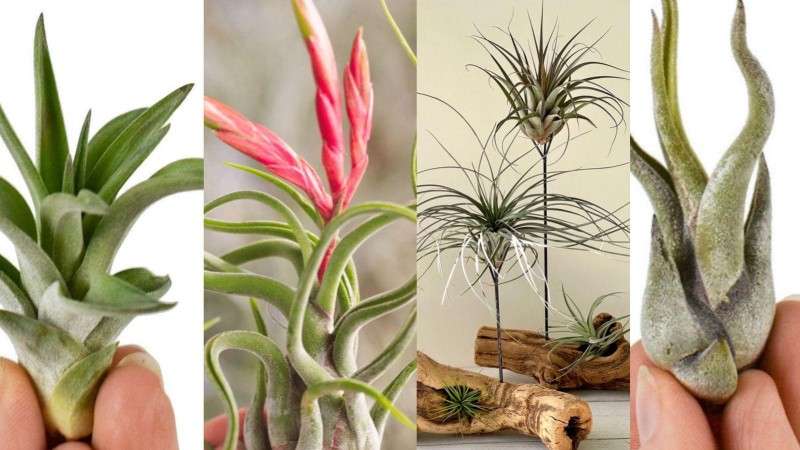
- Have you ever seen a magical plant that can grow by drinking air?
- By LH 14 Mar,2025
-
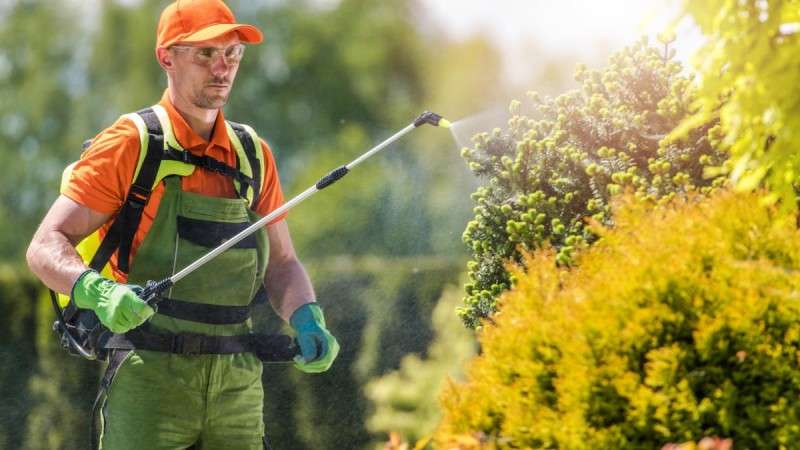
- How do you control pests and diseases in your garden
- By YL 12 Mar,2025
-
- The Five Best Flowers for Newbies to Keep Alive
- By MTH 14 Mar,2025

-
- Is the smell of mowing the grass a distress signal from plants?
- By LH 21 Feb,2025
-
- How Organic Gardening Supplies Can Transform Your Garden And The Environment?
- By Prodosh Kundu 28 Oct,2024

-
- From planting to caring for flowers that bloom forever
- By MTH 10 Mar,2025

-
- 15 kinds of flowers suitable for summer
- By LH 31 Mar,2025

-
- What are the most ugly plants in the gardening world?
- By LH 09 Apr,2025
-
- Planting Tips: Best Indoor Plants Recommendations and Care Guide
- By MTH 18 Feb,2025

-
- Vigilance! Keeping these kinds of plants indoors may harm your health
- By ZYY 09 Apr,2025
-
- Spring is here! Give Your Garden a New Look with These Gardening Tips
- By MTH 20 Feb,2025

-
- How terrible are carnivorous plants?
- By LH 12 Mar,2025