Analysis from a health perspective: Taboos on eating overnight dishes to avoid health risks!
In modern fast-paced life, many families will encounter unfinished meals, put them in the refrigerator, and continue to eat them the next day. However, have you ever thought about whether overnight dishes are really safe? Long-term consumption of improperly stored overnight dishes may pose potential risks to health.
Today, we will deeply analyze the taboos of eating overnight dishes from a scientific and health perspective to help everyone avoid health risks!
1. Health risks of overnight dishes: Do you really understand?
Many people think that as long as the meals are stored in the refrigerator and fully heated before eating, there will be no problem. However, this is not the case. The health risks of overnight dishes mainly come from the following aspects:
Accumulation of nitrates, inducing health risks
During the storage process of green leafy vegetables (such as spinach, lettuce, cabbage, etc.), the nitrates in them will be converted into nitrites over time. Long-term intake may affect the blood's oxygen carrying capacity and even have a risk of cancer. Especially after repeated heating, the nitrite content may increase further, which is not good for health.
Bacteria breed and increase the risk of food poisoning
Even in the refrigerator, bacteria can still multiply slowly. Especially rice, seafood, meat and other foods, if not stored properly, may breed pathogenic bacteria, such as Staphylococcus aureus, Escherichia coli, etc. Although heating can kill some bacteria, the toxins of some bacteria are resistant to high temperatures, and even if boiled again, they may still cause food poisoning.
Oil oxidation increases the risk of chronic diseases
Many overnight dishes are stir-fried or braised dishes, and the cooking oil in them will produce oxidative substances such as aldehydes and ketones during repeated heating. These substances may damage the liver and increase the risk of cardiovascular disease. Especially fried foods, after overnight, not only will the nutrients be lost, but more harmful substances may also be produced.
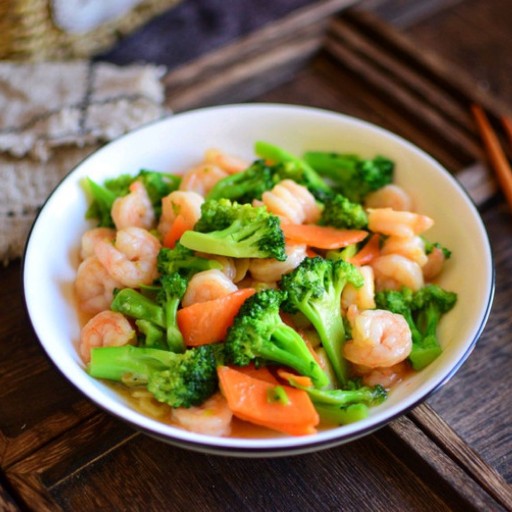
2. Which overnight dishes are the most dangerous? It is best not to eat these foods!
Although not all overnight dishes pose health risks, the following types of food are prone to problems after being left overnight, so it is recommended to avoid them as much as possible:
Green leafy vegetables
Green leafy vegetables such as spinach, cabbage, and rapeseed contain more nitrates. After being stored overnight, they may be converted into nitrites, increasing health risks. Even if they are refrigerated, this conversion process cannot be completely avoided.
Seafood
Seafood such as crabs, shrimps, and shellfish are prone to breeding bacteria. Not only will the taste deteriorate after being left overnight, but eating them may also cause gastrointestinal discomfort or allergic reactions, and even cause food poisoning in severe cases.
Half-cooked eggs
Eggs that are not fully cooked, such as soft-boiled eggs and hot spring eggs, are prone to breeding pathogens such as salmonella if they are not stored properly. Reheating may not completely kill the bacteria, and eating them may cause symptoms such as diarrhea.
Rice
Rice is prone to produce Bacillus cereus during storage. This bacterium can survive in the low temperature environment of the refrigerator and may still release toxins after being reheated. Eating contaminated rice may cause symptoms such as vomiting and diarrhea.
Soy products
Soy products such as tofu and soy milk may be contaminated by bacteria after being stored overnight, especially in a high temperature environment, which is prone to produce aflatoxin and harm liver health.
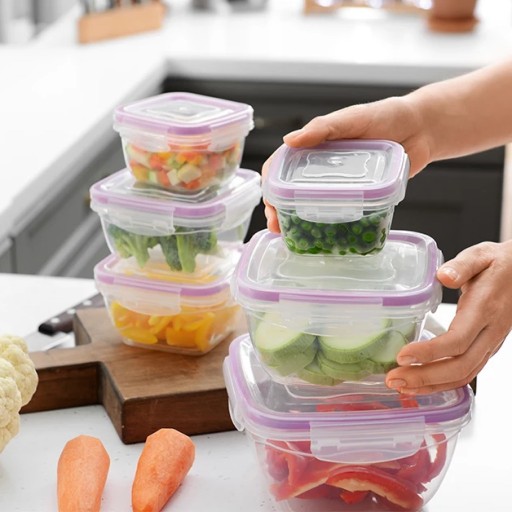
3. How to store leftovers safely? Avoid health risks!
Although there are certain risks in overnight dishes, if they can be stored scientifically and eaten reasonably, health risks can still be reduced. Here are some practical health suggestions:
Refrigerate in time to reduce the risk of bacterial reproduction
Leftovers should be refrigerated within 2 hours as much as possible, and avoid being left at room temperature for a long time, especially in summer, when bacteria reproduce faster. The refrigeration temperature is recommended to be kept below 4°C to reduce the possibility of bacterial growth.
Store separately to avoid cross-contamination
When storing overnight dishes, meat and vegetables should be separated, especially raw meat, cooked meat and vegetables, to avoid mutual contamination. In addition, using clean sealed containers to store can reduce the chance of food being exposed to the air.
Thoroughly heat before eating
Before eating overnight dishes, they must be heated to above 100°C and kept for 3 to 5 minutes to kill most bacteria. However, it should be noted that the toxins of some bacteria are resistant to high temperatures, and heating cannot completely eliminate the risk. Therefore, it is best not to eat food that has been stored for too long.
Control the amount of leftovers and reduce unnecessary storage
The best way is to cook on demand and reduce leftovers. If you really cook too much, you can consider packaging some food in advance and freezing it to reduce the possibility of nutrient loss and bacterial contamination.
4. Treat overnight dishes correctly and stay away from health risks
Although overnight dishes are not completely inedible, you must pay attention to safety issues when eating them. Here are some health suggestions to help you deal with overnight dishes scientifically:
Eat fresh food first and reduce the storage time of leftovers.
Avoid repeated heating, as repeated heating will accelerate nutrient loss and the production of harmful substances.
Try to eat less overnight leafy vegetables and avoid excessive intake of nitrites.
Choose the right storage method and ensure low-temperature refrigeration to reduce bacterial growth.
If you find that the food has an odor, color change or signs of deterioration, you should discard it decisively to avoid food poisoning.
Conclusion
Although overnight dishes can save time and cost, they can pose a potential threat to health if they are not stored properly. Scientific diet and reasonable storage can ensure food safety and reduce health risks. I hope that while enjoying delicious food, you can also pay attention to food safety and develop healthy living habits!
 1
1 1
1OTHER NEWS
-
- Hydroponic plants, gardening tips
- By LH 02 Apr,2025

-
- The natural choice for indoor air purification five high-quality greenery recommendations
- By YL 14 Mar,2025

-
- Do you know these secrets of plants?
- By LH 18 Feb,2025

-
- 15 kinds of flowers suitable for summer
- By LH 31 Mar,2025

-
- Growing For The Planet: How Sustainable Gardening Practices Can Help To Mitigate Climate Change
- By Prodosh Kundu 28 Oct,2024
-
- How Organic Gardening Supplies Can Transform Your Garden And The Environment?
- By Prodosh Kundu 28 Oct,2024

-
- How to Choose the Best Lawn and Landscaping Services for Your Home
- By Prodosh Kundu 28 Aug,2024

-
- Is the smell of mowing the grass a distress signal from plants?
- By LH 21 Feb,2025

-
- What are the most ugly plants in the gardening world?
- By LH 09 Apr,2025

-
- How do you control pests and diseases in your garden
- By YL 12 Mar,2025

-
- Have you ever seen a magical plant that can grow by drinking air?
- By LH 14 Mar,2025

-
- How terrible are carnivorous plants?
- By LH 12 Mar,2025